
Compersion and How It Develops


Compersion is a word that may feel like a mouthful until you hear it described in plain language. It is the feeling of genuine happiness when your partner experiences pleasure with someone else. In the world of ethical non monogamy ENM this is not a throwaway idea it is a relational skill. In the hot wife dynamic compersion can become a foundation a signal that the bond between partners is flexible strong and capable of expanding in healthy ways. In this guide we break down what compersion means why it matters and how it grows over time in a hot wife ENM setup. We will cover terms acronyms and practical steps that real couples use every day. By the end you will have a clear path forward whether you are just curious or actively navigating this dynamic with your partner.
Quick Links to Useful Sections
- What compersion means in the hot wife ENM dynamic
- Why compersion matters in the hot wife dynamic
- How compersion develops in stages
- Stage 1. Acknowledgement and curiosity
- Stage 2. Communication and trust building
- Stage 3. Emotional processing and compersion seeds
- Stage 4. Real world experiences and adaptation
- Stage 5. Sustaining compersion through ongoing practice
- Real life scenarios that illustrate compersion in action
- Scenario one a social night out
- Scenario two a boundary conflict
- Scenario three a surprise compliment
- Tools that help cultivate compersion
- Boundaries and consent in practice
- Common challenges and how to handle them
- Realistic dos and don’ts for growing compersion
- Ethical considerations and safety
- What a healthy path to compersion looks like in practice
- Frequently asked questions about compersion in the hot wife dynamic
What compersion means in the hot wife ENM dynamic
Let us start with the basics. Compersion is not a forced positive feeling it is a choice a habit and often a by product of trust clear communication and ongoing work on the relationship. In a hot wife arrangement a married or partnered person known as the primary partner is open to their partner experiencing sexual or romantic connections with others with the consent of all involved. Seeing a partner who is free to explore and who shares their experiences can evoke a surge of warmth curiosity admiration and relief. Compersion shows up in many forms it can be genuine joy at their partner happiness pride in shared values and a sense of growth that the relationship is expanding rather than shrinking.
Important terms you will hear in these discussions include ENM which stands for Ethical Non Monogamy. ENM describes a relationship style that is built on consent honesty and clear boundaries rather than secrecy. The hot wife phrase refers to a wife or wife figure in the dynamic who has sexual experiences with other people with her partner in the loop. The partner who remains at home is commonly called the primary or the devotion partner. It is critical to emphasize that in a healthy setup no one is forced to experience compersion. It is something that can develop when both partners feel secure supported and valued. If compersion does not come naturally that is okay and there are steps to cultivate it over time.
Why compersion matters in the hot wife dynamic
Compersion matters for several reasons beyond feeling good. It helps reduce jealousy envy and fear that can arise when one partner explores. It acts as a stabilizer that can protect the relationship from drifting apart during the inevitable ups and downs of sexual exploration. When compersion is present both partners can celebrate the exchange of experiences the growth of trust and the deepening of intimacy that comes from a shared journey rather than a race to secure the best outcome for one person at the expense of the other.
In a hot wife ENM setup compersion supports three core processes. First it reinforces consent by showing that the primary partner respects boundaries and supports the other person even when emotions are intense. Second it fosters open honest communication because compersion grows from stories reflections and ongoing dialogue rather than silent resentment. Third it broadens emotional capacity enabling both partners to welcome more complexity for the relationship and for their own emotional lives. When compersion is active the couple can approach new experiences with curiosity rather than with fear which makes it easier to handle the inevitable missteps that occur along the way.
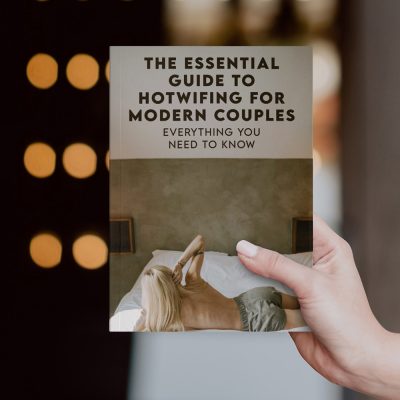
The fantasy is electric. The reality? It can feel like holding a grenade with the pin pulled. That gnawing fear that you might lose her isn't paranoia, it’s a warning. Without a battle-tested strategy, you aren't just exploring; you’re gambling with the most important thing in your life.
The Essential Guide replaces the terrifying unknown with ironclad structure. From managing primal jealousy to setting unbreakable boundaries, we provide the safety manual required to walk through the fire without getting burned. Don't guess. Know.

The fantasy is intoxicating. The reality? It can be terrifying. That sickening drop in your stomach when she leaves isn't just nerves; it's the fear of the unknown threatening everything you’ve built. Don't let vague agreements become grounds for disaster. You need structure before the chaos hits.
The Hotwife Contract Creator transforms your deepest anxieties about safety, emotions, and "going too far" into a rock-solid, signed agreement. Silence the jealousy and lock down your safety net so you can actually survive the thrill.

The fantasy is incredible, but the logistics can tear you apart. That sickening knot of anxiety you feel when she leaves isn't weakness; it's your brain warning you that you're flying without a safety net. Ambiguity is the oxygen that jealousy breathes. Don't let undefined "gray areas" become the reason your marriage implodes.
The Official Hotwife Rules Generator doesn't just list acts; it builds a protective fortress around your relationship. Get the concrete roadmap you need to ensure this high-stakes adventure doesn't turn into a disaster.

The fantasy is intoxicating. The reality? It can be a psychological car crash. That gut-wrenching drop when the bedroom door locks you out isn't just nerves, it’s a warning. 90% of men love the porn but crumble under the visceral weight of actual exclusion and emotional coldness.
This test drags your ego into the harsh light of day. We measure your resilience against the specific triggers that destroy marriages. Are you a true Cuckold or just a Tourist about to self-destruct? Check your ego before you wreck your life.

The fantasy is a rush, but the reality is a razor’s edge. That sickening drop when "humiliation" stops being a game and starts destroying his self-worth isn't a risk. It is the end of your marriage. Confusing "Stag" pride with "Cuckold" degradation is the fastest way to trauma.
This tool drags your hidden desires into the light. Pinpoint exactly where the fun stops and the pain begins, from gentle teasing to hard exclusion. Define your limits now before a misunderstanding becomes a permanent scar.

The fantasy is surrender. The reality is often shame that eats you alive. That gut-wrenching drop when the humiliation feels too real isn't part of the game. It is a warning that your psyche is cracking. Without a safety net, you aren't playing. You are traumatizing yourself.
The Essential Rules replaces reckless degradation with calculated intensity. We provide the contracts, vetting protocols, and aftercare scripts needed to explore the edge without falling off. Don't let a scene become a permanent scar.
How compersion develops in stages
Compersion does not usually arrive fully formed at the doorstep it tends to emerge through a sequence of experiences feelings and experiments. Below is a practical staged pathway that many couples find helpful. You do not need to complete every stage before moving forward you can revisit any phase as often as needed. The journey is unique to each relationship and the pace should feel comfortable for both partners.
Stage 1. Acknowledgement and curiosity
The first stage is about naming the feeling. You start by acknowledging that you do want your partner to be happy even in situations that may be emotionally charged for you. Curiosity becomes the engine here. You ask questions about what your partner enjoys what they want to try and what the boundaries might look like. In this stage there is a big focus on creating a safe space for honest talk. You practice listening and you acknowledge your own sensory responses without turning them into accusations or blame.
Practical moves in this phase include mundane tasks such as sitting down with a cup of tea and talking through what each of you hopes for in the dynamic. You can share a list of things that would be great to experience and a list of things you would like to avoid. The aim is to establish a shared map that both partners can reference as they explore. If you discover that you feel jealous or uneasy that is a signal to slow down and address those emotions rather than covering them with silence.
Stage 2. Communication and trust building
Communication becomes more structured in this stage. You move beyond generic statements into specifics. You discuss boundaries what is allowed what is not allowed the privacy expectations the time spent with others and the impact on your daily life. It helps to use concrete scenarios so both partners can visualize the experience. For example you might discuss how communication will occur while your partner is with someone else what kind of updates feel right what level of detail is comfortable to share. You also decide how to handle emotional spikes and what support looks like if one person feels overwhelmed.
Trust is the currency you accumulate during this phase. Trust grows when promises are kept when conversations are honest and when you show up for each other consistently. It is common to revisit and revise boundaries as you learn more about yourselves and as life circumstances evolve. The goal is to create a resilient framework that can adapt to changing desires while maintaining mutual respect.
Stage 3. Emotional processing and compersion seeds
In stage three you begin to notice real emotional shifts. You may experience moments of pure joy when your partner shares a story about their time with someone else. You might also experience a pang of jealousy and that is fine. The important thing is how you handle the moment. You process emotions in constructive ways you talk through them rather than keeping them inside. Some couples find journaling helpful others use scheduled check ins to process feelings together. The aim here is to create small moments of positive emotion that stack up over time leading to a deeper sense of compersion.
One practical approach is to create a gratitude practice. Each partner names one or two aspects they appreciate about the other person the experiences they had or the growth that is happening in the relationship. This practice helps reframe experiences in a positive light making room for compersion to grow.
Stage 4. Real world experiences and adaptation
The fourth stage moves from discussion into lived experiences. You begin to implement the boundaries and processes you have discussed. You may join in group events discuss safe play rules and decide how to create time for each other. This stage is never completely quiet it often involves a cycle of trying adjusting and refining. You learn how to honor each other while still honoring personal arousal and curiosity. You might find that certain environments or partners add layers of complexity that require new strategies or more frequent check ins. The point is to leverage what you have learned to keep compersion alive and dynamic.
Stage 5. Sustaining compersion through ongoing practice
The final stage is about making compersion a lasting feature of the relationship not a rare event. You sustain compersion by continuing to practice gratitude honest communication and mutual care. You celebrate each others wins and you provide support during the occasional rough patch. You keep updating boundaries to reflect growth and you maintain a shared sense of purpose that keeps you aligned. It is not a destination it is a living skill that grows as you grow.
Real life scenarios that illustrate compersion in action
Let us walk through a few believable situations to anchor the concept. These examples show how compersion can show up in everyday life without requiring grand gestures or dramatic moments. They demonstrate how partners can respond with warmth curiosity and care even when emotions run high.
Scenario one a social night out
During a social evening your partner shares a story about meeting someone new. The tone is excited yet respectful. Your partner asks for your thoughts and you respond with interest praising what they enjoyed and what it might mean for your relationship. You feel a quiet happiness for their experience rather than a sting. This reaction strengthens your bond and makes future conversations easier. You are honoring your own boundaries while celebrating your partner growth.
Scenario two a boundary conflict
You notice a boundary feels off during a new encounter. You share your concern calmly and describe the emotion you are feeling without blaming your partner. Your partner listens without interrupting and you work together to adjust the rule so both of you feel safe. A small tweak leads to greater ease and a renewed sense of trust. You both recognize that boundaries are living guidelines not fixed rules.
Scenario three a surprise compliment
A partner comes back from a night out and shares a moment when they felt seen by someone else. Instead of feeling overshadowed you celebrate the vulnerability the talk and the closeness that followed. You express appreciation for your partners openness and for the way your relationship continues to evolve. Compersion is born in moments like this when you choose to value your partners pleasure as part of your shared happiness.
Tools that help cultivate compersion
Growing compersion is easier when you have practical tools to lean on. Here are some approaches that many couples find useful in the hot wife ENM space. Try them one by one or combine them as fits your rhythm.
- Structured check ins Schedule regular conversations about feelings experiences and any concerns. Keep these sessions calm and focused on listening rather than fixing right away.
- Journaling for both partners Each person writes down emotional responses to recent experiences. Reading what the other person wrote can illuminate unseen feelings and encourage empathy.
- Jealousy mapping When a strong feeling arises write it down as a map. Note the trigger the emotion the intensity and what action helps reduce the sting. Over time you will identify patterns that can be addressed proactively.
- Lamplight moments Create small rituals that celebrate moments when compersion happens. It could be a short text a shared smile or a quiet moment of reflection together after an encounter.
- Celebration of wins Keep a joint list of positive experiences with other partners and celebrate the growth that came from them. This reinforces the value of compersion in daily life.
Boundaries and consent in practice
Boundaries are the safety rails that prevent a relationship from veering into unsafe territory. In a hot wife ENM dynamic boundaries cover what is allowed where how communication will happen and how the couple handles emergencies. It is not about restricting desire it is about preserving trust while enabling exploration. Consent is ongoing feedback that the other person feels comfortable and respected with what is happening. It is important to revisit boundaries regularly and to adjust as emotions shift. The healthiest couples treat boundaries as living guidelines not rigid rules that can cause resentment if neglected.
Two practical boundary tools include a consent checklist and a go to conversation guide. A consent checklist helps you confirm that both partners understand the proposed activity and agree on the scope and safety measures. A go to conversation guide provides prompts you can use when a new situation arises. This reduces improvisation which is a common source of anxiety for many people and improves communication under stress.
Common challenges and how to handle them
Like any complex relationship dynamic the hot wife ENM path has its share of friction points. Being aware of these challenges and having strategies to tackle them can prevent a slide into resentment or withdrawal. Here are several frequent hurdles and constructive ways to respond.
- Intense jealousy Jealousy is a natural signal that something is not yet addressed. Pause take a breath and name the feeling out loud. Then re connect to your core values and the reasons you chose this path. Seek support from a trusted friend or therapist if needed.
- Fear of losing closeness It is common to fear that the relationship will drift apart. Counter this by creating rituals time for each other and shared experiences that emphasize your unique bond. Remind yourselves of the many ways you remain connected beyond sexual experiences.
- Public embarrassment concerns Some people worry about others overhearing intimate details. Agree on levels of detail that are safe and comfortable for both partners and choose privacy aware sharing options such as intimate partner only discussions or limited public mentions.
- Boundary creep When someone pushes beyond boundaries it can feel like a betrayal. Address it immediately with clear calm language and a plan to revert to the agreed rules. If needed freeze the activity while you reassess boundaries with both partners present.
- Imbalance in emotional labor If one partner feels they handle most emotional work pay attention to that imbalance. Share the load and consider external support such as counseling or a facilitated discussion with a professional who has experience with ENM dynamics.
Realistic dos and don’ts for growing compersion
To help you navigate the practical side of this journey here are some concrete tips you can adopt. These ideas have been proven useful for many couples who are building compersion into daily life.
- Do practice self compassion Emotions can be messy. Treat yourself with kindness and avoid harsh self judgment when feelings arise.
- Do celebrate your partner’s joy Offer heartfelt acknowledgement for their experiences. Your partner feeling happy strengthens your bond and you will feel more connected in the long run.
- Do grow through listening Focus on listening for understanding rather than planning a reply. This helps your partner feel seen and valued.
- Do set regular check ins Use a consistent cadence for talking about how the dynamic is landing emotionally for both of you. Predictability reduces anxiety.
- Don’t compare your journeys Each person experiences the dynamic differently. Avoid measuring one person against the other and instead focus on your shared path.
- Don’t pressure the other person Pressure to feel compersion can backfire. Give space to grow and be patient with the pace that works for both of you.
Ethical considerations and safety
In any ENM arrangement safety and ethics are essential. In the hot wife dynamic this means more than physical safety it means emotional safety and an ethical approach to interactions outside the relationship. Communication about sexual health is a cornerstone. Regular STI testing sharing test results with all involved partners and using barrier methods where appropriate are standard practices. Transparent discussions about sexual history current health status and any changes in health are essential. Respect for boundaries and informed consent must guide every encounter. When safety and ethics are prioritized compersion tends to flourish because the relationship feels secure and cared for by all involved.
Another important area is privacy and discretion. You decide together what information you want to share publicly and what should stay private. You may choose to store sensitive details in a private journal or use code words that the two of you understand. The point is to protect yourselves while still allowing the relationship to grow through open honest sharing.
What a healthy path to compersion looks like in practice
Healthy compersion is not about forcing an emotional state it is about creating conditions in which that state can arise naturally. It grows when both partners feel heard respected and valued for their unique needs. A healthy path includes clear boundaries thoughtful communication consistent emotional work and mutual celebration of each other s growth. It also requires patience. Compersion may arrive slowly sometimes after a misstep you may find yourself feeling proud of the progress you have made together. It is a continual process not a one time achievement.
In practical terms this means making space for feelings and choices that go beyond your comfort zone in ways that feel safe and supportive. It means taking responsibility for your own emotions rather than projecting blame onto the partner or the outside party. It means choosing curiosity over worry and choosing love over fear when it matters most. That approach creates resilience and deepens connection even as life becomes more complex.
Frequently asked questions about compersion in the hot wife dynamic
The fantasy is electric. The reality? It can feel like holding a grenade with the pin pulled. That gnawing fear that you might lose her isn't paranoia, it’s a warning. Without a battle-tested strategy, you aren't just exploring; you’re gambling with the most important thing in your life.
The Essential Guide replaces the terrifying unknown with ironclad structure. From managing primal jealousy to setting unbreakable boundaries, we provide the safety manual required to walk through the fire without getting burned. Don't guess. Know.
The fantasy is intoxicating. The reality? It can be terrifying. That sickening drop in your stomach when she leaves isn't just nerves; it's the fear of the unknown threatening everything you’ve built. Don't let vague agreements become grounds for disaster. You need structure before the chaos hits.
The Hotwife Contract Creator transforms your deepest anxieties about safety, emotions, and "going too far" into a rock-solid, signed agreement. Silence the jealousy and lock down your safety net so you can actually survive the thrill.
The fantasy is incredible, but the logistics can tear you apart. That sickening knot of anxiety you feel when she leaves isn't weakness; it's your brain warning you that you're flying without a safety net. Ambiguity is the oxygen that jealousy breathes. Don't let undefined "gray areas" become the reason your marriage implodes.
The Official Hotwife Rules Generator doesn't just list acts; it builds a protective fortress around your relationship. Get the concrete roadmap you need to ensure this high-stakes adventure doesn't turn into a disaster.
The fantasy is intoxicating. The reality? It can be a psychological car crash. That gut-wrenching drop when the bedroom door locks you out isn't just nerves, it’s a warning. 90% of men love the porn but crumble under the visceral weight of actual exclusion and emotional coldness.
This test drags your ego into the harsh light of day. We measure your resilience against the specific triggers that destroy marriages. Are you a true Cuckold or just a Tourist about to self-destruct? Check your ego before you wreck your life.
The fantasy is a rush, but the reality is a razor’s edge. That sickening drop when "humiliation" stops being a game and starts destroying his self-worth isn't a risk. It is the end of your marriage. Confusing "Stag" pride with "Cuckold" degradation is the fastest way to trauma.
This tool drags your hidden desires into the light. Pinpoint exactly where the fun stops and the pain begins, from gentle teasing to hard exclusion. Define your limits now before a misunderstanding becomes a permanent scar.
The fantasy is surrender. The reality is often shame that eats you alive. That gut-wrenching drop when the humiliation feels too real isn't part of the game. It is a warning that your psyche is cracking. Without a safety net, you aren't playing. You are traumatizing yourself.
The Essential Rules replaces reckless degradation with calculated intensity. We provide the contracts, vetting protocols, and aftercare scripts needed to explore the edge without falling off. Don't let a scene become a permanent scar.
