
Consent Culture Beyond Yes or No

Consent is not a single moment on a calendar but a living practice that grows with trust, care, and honest conversations. When we talk about hotwife ENM dynamic ethical non monogamy the conversation about consent becomes even more essential. This guide breaks down what consent culture looks like in real life and offers practical, down to earth strategies to keep desire thriving while everyone involved feels safe respected and excited.
Quick Links to Useful Sections
- What consent culture means in hotwife ENM dynamics
- Key terms and acronyms you will use in this space
- Understanding the hot wife ENM dynamic
- Practical steps to build a durable consent culture
- 1. Start with shared values and a clear definition of the dynamic
- 2. Define hard and soft limits explicitly
- 3. Create a concrete consent protocol for each new encounter
- 4. Normalize ongoing check ins
- 5. Practice compassionate communication
- 6. Build a plan for jealousy management and compersion
- 7. Invest in safety health and aftercare
- 8. Build transparency about new partners and experiences
- 9. Create rituals that reinforce consent culture
- 10. Prioritize health equity within the relationship
- Real world scenarios and example dialogues
- Scenario A: Opening a new encounter with explicit check in
- Scenario B: Renegotiating after a tense experience
- Scenario C: Aftercare that reinforces trust
- Scenario D: Handling jealousy in the moment
- What to avoid to keep the consent culture healthy
- Common mistakes and how to fix them
- Health health safety and ethical considerations
- Raising the level of consent culture in your life beyond the bedroom
- Glossary of useful terms and acronyms
- Frequently asked questions
What you will find here is a clear map for navigating ongoing consent in a hot wife style dynamic. We explain key terms and acronyms so you can talk about ideas with confidence. You will see realistic scenarios that show how conversations actually happen in everyday life not just in theory. And you will get practical tools you can use tonight to move from a simple yes or no to a durable rhythm of consent that grows as relationships do.
What consent culture means in hotwife ENM dynamics
Consent culture is more than a checkbox it is a habit of paying attention to each other. In a hot wife ENM arrangement the primary partner and the hot wife sit with a shared understanding that desires can evolve and boundaries can shift. The goal is not to trap consent behind a single yes but to keep communication and care active as needs change.
Enthusiastic consent is a core idea. It means everyone involved agrees with energy and clarity not with reluctance or obligation. Ongoing consent means that agreements are revisited regularly or whenever situations shift. This approach helps reduce hidden pressure it helps partners feel seen and it aligns with the honesty that healthy non monogamous relationships require.
In practice consent culture in this space looks like careful listening explicit check ins and transparent negotiation. It means creating room to say yes with excitement and to say no with respect when boundaries are tested. It also means inventing language that works for the people involved not a rigid template that fits everyone but a living playbook that is co authored.
Key terms and acronyms you will use in this space
- Consent The agreement by all involved to pursue a sexual encounter or relationship task it is active and informed.
- Enthusiastic consent Consent that is clearly given with energy and eagerness not expected or assumed.
- Ongoing consent Consent that is checked in with and renewed over time rather than a one time decision.
- Hard limit A boundary that cannot be crossed under any circumstances in the current arrangement.
- Soft limit A boundary that may be revisited or negotiated under certain circumstances with care.
- Negotiation A structured conversation to articulate desires boundaries concerns and agreements.
- Renegotiation A formal re check a re negotiation when feelings or situations change often after a specific event or experience.
- Compersion The feeling of joy when a partner experiences pleasure with someone else it is the opposite of jealousy.
- Jealousy management Practical strategies to recognize and move through jealous feelings in a healthy way.
- Aftercare The care and attention given after a sexual encounter to help all parties feel safe supported and valued.
- STI testing and safe sex Practices to protect health and reduce risk in open or multi partner settings.
- Primary partner The person who holds the central relationship with the hot wife in the dynamic.
- Hot wife A woman who maintains a primary relationship while seeking sexual experiences with others with her partner s knowledge and consent.
- Boundaries The lines drawn by agreements which activities are acceptable and which are not for all involved.
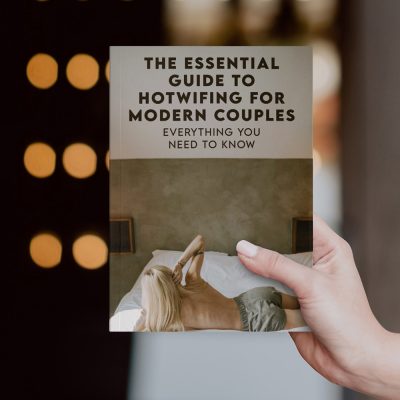
The fantasy is electric. The reality? It can feel like holding a grenade with the pin pulled. That gnawing fear that you might lose her isn't paranoia, it’s a warning. Without a battle-tested strategy, you aren't just exploring; you’re gambling with the most important thing in your life.
The Essential Guide replaces the terrifying unknown with ironclad structure. From managing primal jealousy to setting unbreakable boundaries, we provide the safety manual required to walk through the fire without getting burned. Don't guess. Know.

The fantasy is intoxicating. The reality? It can be terrifying. That sickening drop in your stomach when she leaves isn't just nerves; it's the fear of the unknown threatening everything you’ve built. Don't let vague agreements become grounds for disaster. You need structure before the chaos hits.
The Hotwife Contract Creator transforms your deepest anxieties about safety, emotions, and "going too far" into a rock-solid, signed agreement. Silence the jealousy and lock down your safety net so you can actually survive the thrill.

The fantasy is incredible, but the logistics can tear you apart. That sickening knot of anxiety you feel when she leaves isn't weakness; it's your brain warning you that you're flying without a safety net. Ambiguity is the oxygen that jealousy breathes. Don't let undefined "gray areas" become the reason your marriage implodes.
The Official Hotwife Rules Generator doesn't just list acts; it builds a protective fortress around your relationship. Get the concrete roadmap you need to ensure this high-stakes adventure doesn't turn into a disaster.

The fantasy is intoxicating. The reality? It can be a psychological car crash. That gut-wrenching drop when the bedroom door locks you out isn't just nerves, it’s a warning. 90% of men love the porn but crumble under the visceral weight of actual exclusion and emotional coldness.
This test drags your ego into the harsh light of day. We measure your resilience against the specific triggers that destroy marriages. Are you a true Cuckold or just a Tourist about to self-destruct? Check your ego before you wreck your life.

The fantasy is a rush, but the reality is a razor’s edge. That sickening drop when "humiliation" stops being a game and starts destroying his self-worth isn't a risk. It is the end of your marriage. Confusing "Stag" pride with "Cuckold" degradation is the fastest way to trauma.
This tool drags your hidden desires into the light. Pinpoint exactly where the fun stops and the pain begins, from gentle teasing to hard exclusion. Define your limits now before a misunderstanding becomes a permanent scar.

The fantasy is surrender. The reality is often shame that eats you alive. That gut-wrenching drop when the humiliation feels too real isn't part of the game. It is a warning that your psyche is cracking. Without a safety net, you aren't playing. You are traumatizing yourself.
The Essential Rules replaces reckless degradation with calculated intensity. We provide the contracts, vetting protocols, and aftercare scripts needed to explore the edge without falling off. Don't let a scene become a permanent scar.
Understanding the hot wife ENM dynamic
The hot wife ENM dynamic is a form of ethical non monogamy where a woman who is in a committed relationship explores sexual experiences with other partners with the awareness and consent of her primary partner. This is not about hidden romantic affairs or deceit it is about shared curiosity and a deliberate practice of consent boundaries and communication.
Key aspects include:
- Consent first approach Agreements are built around explicit consent and ongoing discussion rather than assumptions.
- Emotional safety Emotional safety is prioritized through check ins after encounters changes in feelings and honest renegotiation as needed.
- Communication as ritual Regular conversations around boundaries desires and emotions are normalized rather than treated as a crisis only after a breach occurs.
- Health and safety STI testing safe sex practices and clear boundaries regarding protection are integral to the practice.
- Transparency Information is shared to an appropriate degree with all parties in the arrangement to reduce miscommunication and hurt feelings.
In this landscape consent culture is not a single moment in time it is a lived discipline. It asks for curiosity courage and care. It invites all participants to bring their full humanity forward to grow together rather than relying on rigid rules that may not reflect evolving desires.
Practical steps to build a durable consent culture
1. Start with shared values and a clear definition of the dynamic
Before any play begins sit down and talk about why you both want to explore this dynamic. What cravings are driving you what fears show up and what does a healthy outcome look like for each person. Write down a simple value statement that can act as a compass during negotiations. Common values include honesty respect safety and emotional responsibility. If you cannot agree on core values you may need more time or different boundaries before moving forward.
2. Define hard and soft limits explicitly
Hard limits are non negotiable. Soft limits are things you are curious about but not ready to try right now. Document these limits and revisit them periodically. Remember that soft limits can shift with mood context or after a positive or negative encounter. The aim is to keep boundaries dynamic not punitive.
3. Create a concrete consent protocol for each new encounter
Agree on who needs to know what who should be informed how decisions will be made and how the encounter should be paused if concerns arise. This protocol might include:
- What information is shared with the primary partner before after and during the encounter
- What checks in will occur during the encounter such as a verbal cue to pause
- What triggers renegotiation such as new activities a partner wants to try or a change in comfort level
- What aftercare will look like including time for debrief and emotional support
4. Normalize ongoing check ins
Check ins are not a threat they are a tool for safety and trust. Schedule regular conversations about how the arrangement is feeling what is working what needs adjustment. These can be quick five minute debriefs after an encounter or longer weekly conversations depending on the intensity of the dynamic.
5. Practice compassionate communication
Use language that focuses on needs and feelings rather than blame. A simple framework is to describe the situation state how it affected you and state what you would like to happen next. For example I felt anxious after hearing about your last date and I would like more updates about your experiences going forward so I feel connected and included.
6. Build a plan for jealousy management and compersion
Jealousy is a natural signal not a failure. A proactive plan includes acknowledging the feeling naming the trigger finding a coping strategy and choosing a response that supports the relationship. Compersion can grow when couples celebrate each other s pleasure and see the experiences as shared growth rather than competition.
7. Invest in safety health and aftercare
Safety first means practical steps around testing physical protection and safe sex practices. Aftercare is the emotional follow up after an encounter to help all parties feel valued and secure. A simple routine might include re connecting with words of appreciation a light touch or a debrief conversation and a plan for the next steps.
8. Build transparency about new partners and experiences
Transparency does not mean sharing every intimate detail. It means sharing enough to maintain trust and safety. Decide together what level of information each person wants and needs and respect that boundary even when it feels awkward.
9. Create rituals that reinforce consent culture
Rituals could include a pre encounter check in a post encounter debrief a shared journal a mutual gratitude moment or a weekly discussion about feelings and boundaries. Rituals help turn consent into a living practice rather than a formal rulebook.
10. Prioritize health equity within the relationship
Healthy non monogamy includes prioritizing health for everyone involved. This means honest conversations about sexual health testing STI status and protective measures and making decisions that protect all parties equally.
Real world scenarios and example dialogues
Seeing how conversations play out can make a big difference. Here are a few realistic dialogues that illustrate how consent culture can unfold in a hot wife ENM context. You can adapt the language to suit your voice and situation.
Scenario A: Opening a new encounter with explicit check in
Wife
I ve been thinking about asking someone to join us for a casual evening. I would love to hear how you feel about it and what boundaries you would want in place before I reach out.
Partner
Thanks for asking. I want to be honest I feel a mix of curiosity and a bit of protectiveness. I would want you to meet the person first and set a boundary around no nudity on the couch until we all know each other better. And I would want a full debrief after the date to talk through emotions.
Wife
That sounds reasonable. I ll start the conversation with potential partners and I will share the boundaries you suggested and we will decide together who to proceed with. We will also agree on a safety plan and aftercare routine.
Scenario B: Renegotiating after a tense experience
Partner
I felt overwhelmed after last week s date and I want to pause the pace a bit. I would like to renegotiate the boundaries to give us more space to check in. I think it would help if we limit new partners to people who have prior conversations with both of us.
Wife
I hear you and I appreciate you speaking up. I want to continue this with you too. Let s set a two week pause then we can revisit the plan with updated boundaries and a clear check in schedule.
Scenario C: Aftercare that reinforces trust
Wife
Thank you for the debrief last night. It meant a lot to me that you asked questions and shared how you felt without pressuring me to justify anything. I felt seen and supported.
Partner
I am glad you felt cared for. Let s schedule a weekly two sentence check in in place of the longer talk and add a short gratitude note for each other after each encounter. That keeps connection alive.
Scenario D: Handling jealousy in the moment
Wife
I notice your eyes drift toward the door every time I come back. Let us pause for a moment and reestablish our signals. I think we both want this and I want to feel your support. Can we regroup in five minutes and then continue with a lighter pace?
Partner
Yes let s pause and then re center. I d like to hear more about what you enjoyed and we can adjust the next encounter to include more time for us.
What to avoid to keep the consent culture healthy
- Do not pressure a partner to agree to something they clearly hesitate about
- Avoid making rules that feel punitive or controlling rather than protective
- Do not rely on secrecy or hidden arrangements that undermine trust
- Avoid patterning consent as a one time event instead of a continuous practice
- Do not skip aftercare or dismiss emotional responses after encounters
Consent culture thrives when all parties feel heard respected and valued. When the dynamic is treated as a living process the risk of harm decreases and the ability to explore grows. It is not about compliance it is about mutual empowerment. It is about turning desire into a shared journey where each person can grow their sense of self while maintaining closeness with others.
Common mistakes and how to fix them
- Mistake: Treating consent as a one time agreement. Fix: Revisit boundaries and cravings regularly and after major life events.
- Mistake: Allowing coercive language or guilt to shape decisions. Fix: Name coercion when it happens and pause the conversation until everyone can speak freely.
- Mistake: Withholding information from the primary partner. Fix: Share essential details in a respectful way and agree on what needs to be disclosed.
- Mistake: Letting jealousy go unresolved. Fix: Address it directly with specific strategies and support from each other.
Health health safety and ethical considerations
Health is a shared responsibility. In a hot wife ENM dynamic it is essential to maintain open dialogue about sexual health testing and protective measures. Agree on a routine for STI testing and confirm how information will be shared. Decide what forms of protection are acceptable for different situations and ensure everyone is comfortable with those decisions. Ethical non monogamy is built on transparency respect and consent that is actively maintained over time.
Raising the level of consent culture in your life beyond the bedroom
Consent culture is not limited to sexual encounters. It expands into everyday life the language you use the way you handle boundaries and the care you show when feelings shift. You can translate the same principle into how you navigate conflicts celebrate new experiences and protect emotional safety. The more you practice consent in every area of your relationship the more resilient your bond becomes and the more space there is for authentic exploration.
Glossary of useful terms and acronyms
- Enthusiastic consent A clear positive agreement given with eagerness and energy.
- Ongoing consent Consent that is checked in and reaffirmed as a relationship evolves or as circumstances change.
- Hard limit A boundary that cannot be crossed in the current setup.
- Soft limit A boundary that could be revisited with negotiation and care.
- Renegotiation Re opening negotiations after a change in feelings or circumstances.
- Compersion Positive feelings when a partner experiences pleasure with someone else.
- Aftercare The supportive actions taken after an encounter to help everyone feel safe and valued.
- Primary partner The most emotionally central partner in the relationship structure.
- Hot wife A wife or woman who pursues sexual experiences with others with her partner s knowledge and consent.
- Boundaries The agreed lines that specify what is allowed and what is not in the relationship.
Frequently asked questions
What does consent culture look like in a hotwife ENM dynamic
It looks like regular honest conversations clear agreements and ongoing check ins that honor everyone s feelings. It means creating space for enthusiastic yes and respectful no and renegotiating as feelings change.
How often should we renegotiate our boundaries
There is no fixed schedule. Many couples renegotiate after a new encounter or when life changes occur. Some perform a light renegotiation every few weeks and a deeper review every few months. The key is regularity more than frequency.
What if one person feels jealous during an encounter
Acknowledge the feeling name the trigger and pause if needed. Use the moment to check in with the primary partner and the other person involved and decide on a plan for aftercare and possible renegotiation of boundaries.
Is it okay to share details about encounters with others in the group
That depends on the level of consent agreed by everyone involved. Some people prefer a high level of transparency while others want more privacy. Decide together what is appropriate and respect those boundaries.
How can we reduce risk when meeting new partners
Agree on health and safety guidelines safe sex practices the use of protection and agreed upon testing timelines. Consider meeting new partners first as a duo or with a trusted mutual friend present for the first few times if that helps everyone feel safe.
What if the primary partner and hot wife disagree about a potential encounter
Take time to cool down and set a rule for pausing any decision. Use a mediation approach to understand each other s perspectives and work toward a renegotiated plan that preserves safety and respect for both partners.
Should we inform potential partners about our dynamic
Clarity is respectful. Many couples share the existence of a primary relationship and some boundaries to prevent misunderstandings. The extent of information shared should be determined by what all parties are comfortable with.
The fantasy is electric. The reality? It can feel like holding a grenade with the pin pulled. That gnawing fear that you might lose her isn't paranoia, it’s a warning. Without a battle-tested strategy, you aren't just exploring; you’re gambling with the most important thing in your life.
The Essential Guide replaces the terrifying unknown with ironclad structure. From managing primal jealousy to setting unbreakable boundaries, we provide the safety manual required to walk through the fire without getting burned. Don't guess. Know.
The fantasy is intoxicating. The reality? It can be terrifying. That sickening drop in your stomach when she leaves isn't just nerves; it's the fear of the unknown threatening everything you’ve built. Don't let vague agreements become grounds for disaster. You need structure before the chaos hits.
The Hotwife Contract Creator transforms your deepest anxieties about safety, emotions, and "going too far" into a rock-solid, signed agreement. Silence the jealousy and lock down your safety net so you can actually survive the thrill.
The fantasy is incredible, but the logistics can tear you apart. That sickening knot of anxiety you feel when she leaves isn't weakness; it's your brain warning you that you're flying without a safety net. Ambiguity is the oxygen that jealousy breathes. Don't let undefined "gray areas" become the reason your marriage implodes.
The Official Hotwife Rules Generator doesn't just list acts; it builds a protective fortress around your relationship. Get the concrete roadmap you need to ensure this high-stakes adventure doesn't turn into a disaster.
The fantasy is intoxicating. The reality? It can be a psychological car crash. That gut-wrenching drop when the bedroom door locks you out isn't just nerves, it’s a warning. 90% of men love the porn but crumble under the visceral weight of actual exclusion and emotional coldness.
This test drags your ego into the harsh light of day. We measure your resilience against the specific triggers that destroy marriages. Are you a true Cuckold or just a Tourist about to self-destruct? Check your ego before you wreck your life.
The fantasy is a rush, but the reality is a razor’s edge. That sickening drop when "humiliation" stops being a game and starts destroying his self-worth isn't a risk. It is the end of your marriage. Confusing "Stag" pride with "Cuckold" degradation is the fastest way to trauma.
This tool drags your hidden desires into the light. Pinpoint exactly where the fun stops and the pain begins, from gentle teasing to hard exclusion. Define your limits now before a misunderstanding becomes a permanent scar.
The fantasy is surrender. The reality is often shame that eats you alive. That gut-wrenching drop when the humiliation feels too real isn't part of the game. It is a warning that your psyche is cracking. Without a safety net, you aren't playing. You are traumatizing yourself.
The Essential Rules replaces reckless degradation with calculated intensity. We provide the contracts, vetting protocols, and aftercare scripts needed to explore the edge without falling off. Don't let a scene become a permanent scar.
