
Creating Shared Values and Intentions


Let us be real for a moment. When you step into the world of ethical non monogamy in a hotwife dynamic you are signing up for honesty, frequent check ins and a willingness to grow together. This guide is here to help you build a rock solid foundation of shared values and clear intentions. We will unpack terms so you know exactly what you are talking about and we will offer practical steps you can take right away. No fluff, just useful guidance that fits real life with all its messiness and humor.
Quick Links to Useful Sections
- What is a hotwife ENM dynamic
- Why shared values and intentions matter in a hotwife dynamic
- Key terms you should know and what they mean in practical terms
- Foundational values you can start with
- Intentions you might align around
- Starting the conversation about shared values and intentions
- Practical templates you can adapt
- Template for a values and intentions session
- Template for aligning on a boundary
- Template for consent and aftercare
- Boundaries and negotiations that really work in hotwife ENM
- Safety first in a hotwife dynamic
- Real life scenarios and how to handle them
- Scenario one: The hotwife wants to pursue a date with a new partner and the primary partner is unsure about an emotional bond forming
- Scenario two: Jealousy shows up and threatens to derail the plan
- Scenario three: A date turns into emotional closeness that was not anticipated
- Practical tips for keeping conversations flowing
- What to do when plans change or things shift
- A practical checklist for creating shared values and intentions
- Common pitfalls to avoid
- Glossary of useful terms and acronyms
- Putting it all together
- Frequently asked questions
- FAQ JSON-LD
What is a hotwife ENM dynamic
First a quick primer on terms so we are all speaking the same language. ENM stands for ethical non monogamy. The key word here is ethical which means consent, communication and respect are the cornerstones. A hotwife is a married or partnered woman who has sexual experiences with other people with the knowledge and consent of her primary partner. The man who is partnered to her in this setup is often called the primary partner or husband. There can be variations but the central idea is clear communication and mutual respect rather than secrecy or manipulation.
Another common term you might hear is hypergamy which describes a social stereotype about matchmaking power in some dynamics. Not every couple experiences this and even when it shows up it is not a verdict about your relationship. The important thing is to speak openly about what each person wants and needs and to renegotiate as those needs change. If you see a term you don t recognize in a conversation, ask for a plain explanation. We break down terms so you can listen and respond with confidence.
Why shared values and intentions matter in a hotwife dynamic
Shared values are the backbone of any successful ENM arrangement. They provide a compass for decisions when jealousy or fear shows up. Intentions tell you what you are aiming for in the relationship day to day. When values and intentions are aligned you create a space that feels safe enough for everyone involved to be authentic. Here are the big reasons this matters in a hotwife situation.
- Clarity reduces confusion. When both partners know what is on the table you are less likely to stall in the middle of a decision or react from a place of fear.
- Consent becomes ongoing. Shared values turn consent from a one time checkbox into a daily practice that grows with you as you learn and adapt.
- Emotional safety is built in. When rules are clear and fair people relax and show up more honestly which strengthens trust over time.
- Respect keeps the relationship strong. Even when a partner wants something different from a partner, respect helps you negotiate without shattering the bond you have built.
- Performance of healthy boundaries. Boundaries that fit your lives give you space to enjoy freedom while staying connected to the core relationship.
We want to help you move from vague vibes to concrete agreements. That makes conversations easier and your daily life more predictable. Predictability does not kill romance. It creates room for romance to breathe and grow with intention.
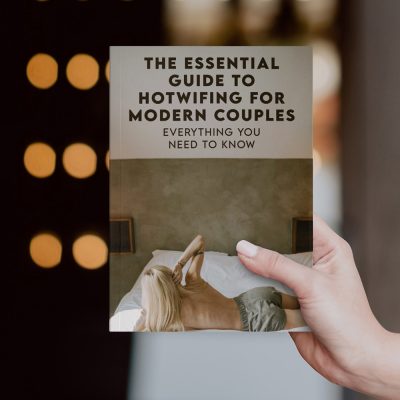
The fantasy is electric. The reality? It can feel like holding a grenade with the pin pulled. That gnawing fear that you might lose her isn't paranoia, it’s a warning. Without a battle-tested strategy, you aren't just exploring; you’re gambling with the most important thing in your life.
The Essential Guide replaces the terrifying unknown with ironclad structure. From managing primal jealousy to setting unbreakable boundaries, we provide the safety manual required to walk through the fire without getting burned. Don't guess. Know.

The fantasy is intoxicating. The reality? It can be terrifying. That sickening drop in your stomach when she leaves isn't just nerves; it's the fear of the unknown threatening everything you’ve built. Don't let vague agreements become grounds for disaster. You need structure before the chaos hits.
The Hotwife Contract Creator transforms your deepest anxieties about safety, emotions, and "going too far" into a rock-solid, signed agreement. Silence the jealousy and lock down your safety net so you can actually survive the thrill.

The fantasy is incredible, but the logistics can tear you apart. That sickening knot of anxiety you feel when she leaves isn't weakness; it's your brain warning you that you're flying without a safety net. Ambiguity is the oxygen that jealousy breathes. Don't let undefined "gray areas" become the reason your marriage implodes.
The Official Hotwife Rules Generator doesn't just list acts; it builds a protective fortress around your relationship. Get the concrete roadmap you need to ensure this high-stakes adventure doesn't turn into a disaster.

The fantasy is intoxicating. The reality? It can be a psychological car crash. That gut-wrenching drop when the bedroom door locks you out isn't just nerves, it’s a warning. 90% of men love the porn but crumble under the visceral weight of actual exclusion and emotional coldness.
This test drags your ego into the harsh light of day. We measure your resilience against the specific triggers that destroy marriages. Are you a true Cuckold or just a Tourist about to self-destruct? Check your ego before you wreck your life.

The fantasy is a rush, but the reality is a razor’s edge. That sickening drop when "humiliation" stops being a game and starts destroying his self-worth isn't a risk. It is the end of your marriage. Confusing "Stag" pride with "Cuckold" degradation is the fastest way to trauma.
This tool drags your hidden desires into the light. Pinpoint exactly where the fun stops and the pain begins, from gentle teasing to hard exclusion. Define your limits now before a misunderstanding becomes a permanent scar.

The fantasy is surrender. The reality is often shame that eats you alive. That gut-wrenching drop when the humiliation feels too real isn't part of the game. It is a warning that your psyche is cracking. Without a safety net, you aren't playing. You are traumatizing yourself.
The Essential Rules replaces reckless degradation with calculated intensity. We provide the contracts, vetting protocols, and aftercare scripts needed to explore the edge without falling off. Don't let a scene become a permanent scar.
Key terms you should know and what they mean in practical terms
Understanding terms helps you avoid miscommunication. Here are common terms and plain language explanations you can apply in your talks.
- ENM Ethical non monogamy. This is a framework in which all adults consent to more than one intimate or sexual relationship and agree to communicate openly about it.
- Hotwife A married or partnered woman who has sexual experiences with others outside her primary relationship with her partner s knowledge and consent.
- Primary partner The person who shares the main romantic life with the hotwife. In many cases this is a spouse or long term partner.
- Secondary partner A person who is not the primary partner but who has a defined and agreed upon role in the dynamic. Boundaries can be more flexible here.
- Compersion The feeling of joy you experience when your partner finds happiness with someone else. It is the opposite of jealousy in practice.
- Jealousy management Strategies and routines that help you notice the emotion, name it, and respond in a healthy way rather than reactively.
- Boundaries Agreement boundaries are the limits you set around what is acceptable and what is not. They can cover many areas including time, types of activities, and level of emotional involvement.
- Boundaries by design Proactive rules you agree to before any new situation arises so you know how to respond when something comes up.
- Consent check ins Regular pauses during interactions to verify that all parties are comfortable and on board with what is happening.
- Sexual health plan A plan that covers STI testing, contraception if needed, and agreed safety practices to protect everyone involved.
As you talk through these terms with your partner keep a live note of what makes sense for you and what feels like a stretch. Your goal is to reach language that fits your life rather than forcing a template that never quite matches your reality.
Foundational values you can start with
Every hotwife dynamic benefits from a shared set of core values. You can adapt this list to fit your life. Do not treat it as a universal rule. Use it as a starting point for your own conversation.
- Honesty Transparent communication about needs, feelings and experiences even when the truth is uncomfortable.
- Mutual respect Valuing the other person s emotions and choices even if they are different from your own desires.
- Safety Physical and emotional safety come first. This means clear boundaries and thoughtful risk management.
- Consent as a process Ongoing consent that is checked in regularly and revised as things evolve.
- Autonomy Each person retains agency and freedom to make choices about their own body and time.
- Compassion Approach jealousy and insecurity with kindness rather than judgment or blame.
- Fairness Agreements should feel fair to all parties and be revisited if they start to feel unfair.
- Growth A mindset of learning from experiences and adapting rules to improve the relationship over time.
Make this a shared list. You can each write down what matters to you, and then you compare items. The goal is to identify common values and acknowledge where there are gaps that you will need to negotiate.
Intentions you might align around
Intentions describe what you want to achieve together. They provide direction for the next steps. Here are common intentions in hotwife ENM setups. Use them as launch points for your own version.
- Build a thriving emotional bond with strong communication and deep trust.
- Explore sexual experiences with others while protecting the main relationship from harm.
- Maintain a sense of excitement and novelty without sacrificing safety and respect.
- Support each other in personal sexual growth while staying connected as partners.
- Create a plan for how to handle difficult emotions when they arise without blame or punishment.
- Ensure both partners feel heard and valued in every decision about dating, sex and time management.
- Promote honesty about boundaries and agreements so there is less need for guesswork or secrets.
When you articulate intentions in concrete terms you have better leverage to renegotiate when life changes. Without clarity you drift and drift is how resentment quietly grows.
Starting the conversation about shared values and intentions
The following approach preserves warmth and keeps the conversation productive even if it feels tough at first. You can adapt this to a date night, a dedicated planning session or a quiet afternoon at home.
- Create a calm space Choose a time when you both feel a little rested and not rushed. Silence and a little humor can reduce tension. Make sure you will not be interrupted for a while.
- Set a shared goal For example, we want to go into this with clarity and fairness. We want to avoid hidden assumptions. We want to finish with a written plan you both can reference.
- Share personal motivations Each person states two or three reasons why they want to explore or not explore certain aspects of the dynamic. Listen without interrupting and reflect back what you heard to show you understand.
- Draft a values list Each person lists five values that matter most. Compare lists and identify overlapping values as well as any gaps that require negotiation.
- Translate values into concrete agreements For each value you can translate it into a behavior or a rule. Keep the language simple and measurable where possible.
- Time box the next steps Agree to review the agreements after a set period such as four to six weeks. Decide how you will monitor what works and what does not.
Use a shared document or a notebook you both can access. The goal is to keep things visible so the next conversation stays productive instead of turning into a trap. If emotions run high during the session plan a short break and come back with fresh eyes.
Practical templates you can adapt
Below are simple templates that you can copy and customize. Use them to kick off your own conversations in a way that feels natural to you. Replace brackets with your own details.
Template for a values and intentions session
We are two adults in a committed relationship exploring ethical non monogamy. Our goal today is to clarify our shared values and our intentions for the hotwife dynamic. We will discuss what we are comfortable with and identify any boundaries that help us feel safe. We want to leave this conversation with a written plan that includes boundaries about time, communication and sexual health. We will review this plan in a month and adjust as needed.
Template for aligning on a boundary
One boundary we want to set is that any sexual activity with a new partner must include a consent check in the moment and a post encounter check in with each other. If either partner feels uncomfortable at any point the activity is paused. We agree to pause rather than escalate a situation that feels risky or emotionally charged.
Template for consent and aftercare
We agree to a standard aftercare routine after each significant interaction. This includes a debrief conversation within twenty four hours to share what went well and what could be improved. We commit to a supportive tone and an open mind during the debrief.
These templates are a starting point. You can add items that reflect your life and remove items that do not apply. The point is to translate values into practical actions that you both can trust and practice.
The fantasy is electric. The reality? It can feel like holding a grenade with the pin pulled. That gnawing fear that you might lose her isn't paranoia, it’s a warning. Without a battle-tested strategy, you aren't just exploring; you’re gambling with the most important thing in your life.
The Essential Guide replaces the terrifying unknown with ironclad structure. From managing primal jealousy to setting unbreakable boundaries, we provide the safety manual required to walk through the fire without getting burned. Don't guess. Know.
The fantasy is intoxicating. The reality? It can be terrifying. That sickening drop in your stomach when she leaves isn't just nerves; it's the fear of the unknown threatening everything you’ve built. Don't let vague agreements become grounds for disaster. You need structure before the chaos hits.
The Hotwife Contract Creator transforms your deepest anxieties about safety, emotions, and "going too far" into a rock-solid, signed agreement. Silence the jealousy and lock down your safety net so you can actually survive the thrill.
The fantasy is incredible, but the logistics can tear you apart. That sickening knot of anxiety you feel when she leaves isn't weakness; it's your brain warning you that you're flying without a safety net. Ambiguity is the oxygen that jealousy breathes. Don't let undefined "gray areas" become the reason your marriage implodes.
The Official Hotwife Rules Generator doesn't just list acts; it builds a protective fortress around your relationship. Get the concrete roadmap you need to ensure this high-stakes adventure doesn't turn into a disaster.
The fantasy is intoxicating. The reality? It can be a psychological car crash. That gut-wrenching drop when the bedroom door locks you out isn't just nerves, it’s a warning. 90% of men love the porn but crumble under the visceral weight of actual exclusion and emotional coldness.
This test drags your ego into the harsh light of day. We measure your resilience against the specific triggers that destroy marriages. Are you a true Cuckold or just a Tourist about to self-destruct? Check your ego before you wreck your life.
The fantasy is a rush, but the reality is a razor’s edge. That sickening drop when "humiliation" stops being a game and starts destroying his self-worth isn't a risk. It is the end of your marriage. Confusing "Stag" pride with "Cuckold" degradation is the fastest way to trauma.
This tool drags your hidden desires into the light. Pinpoint exactly where the fun stops and the pain begins, from gentle teasing to hard exclusion. Define your limits now before a misunderstanding becomes a permanent scar.
The fantasy is surrender. The reality is often shame that eats you alive. That gut-wrenching drop when the humiliation feels too real isn't part of the game. It is a warning that your psyche is cracking. Without a safety net, you aren't playing. You are traumatizing yourself.
The Essential Rules replaces reckless degradation with calculated intensity. We provide the contracts, vetting protocols, and aftercare scripts needed to explore the edge without falling off. Don't let a scene become a permanent scar.
Boundaries and negotiations that really work in hotwife ENM
Boundaries are the rails that keep you moving forward safely. In a hotwife setup you will likely need several kinds of boundaries. Here are categories to consider and examples you can tailor to your life.
- Time boundaries Decide how often you want updates or check ins and how much advance notice you need when plans change. You may prefer a weekly check in and one immediate heads up if a date falls on a special occasion.
- Emotional boundaries Clarify what level of emotional involvement you are comfortable with outside the primary relationship. This can include how much personal sharing is welcome and what topics should stay within boundaries until after a debrief.
- Sexual boundaries Define what types of sexual activity are allowed with others and what is off limits. Include contraception or STI testing expectations as part of this category.
- Privacy boundaries Decide what details you will share with others and what you will keep private between you two. This is important for trust and discretion in many communities.
- Relationship boundaries Outline if you are comfortable with ongoing dating, one off encounters, or relationships that involve emotional intimacy with others. Decide if there is any need for introductions or ongoing connections with existing partners in the mix.
Make sure all boundaries are stated in positive terms where possible. For example say We will check in with a brief text after a date rather than We will not stalk the other person. Clear positive language helps prevent misinterpretation and reduces the likelihood of back and forth during a tense moment.
Safety first in a hotwife dynamic
Safety is not a buzz word here. It is a daily practice. In terms of sexual health safety you want a plan that works for both people. Some common elements include:
- Regular STI testing for all partners involved, with a clear schedule that suits the situation.
- Contraception discussion if pregnancy is a factor for you and a plan for pregnancy prevention if that matters to you.
- Open discussion about sexual practices so everyone understands the risks and agrees on protective measures.
- Clear rules about disclosure of dating partners to reduce risk and maintain trust.
Sexual health planning reduces anxiety and helps you focus on enjoying experiences rather than worrying about hidden risk. If you have medical concerns or complex history this is a good topic to cover with a healthcare provider who understands ENM dynamics.
Real life scenarios and how to handle them
Let us walk through a couple of realistic situations. Seeing how you would respond in practice makes the plan more useful than a list of abstract concepts. These scenarios are written to reflect common patterns you might encounter.
Scenario one: The hotwife wants to pursue a date with a new partner and the primary partner is unsure about an emotional bond forming
The best first move is to slow the pace and revisit the purpose behind the exploration. Sit down together and restate your shared intentions. Ask what about this new connection appeals to the hotwife and what she hopes to gain emotionally. The primary partner should voice concerns without accusing. If the other person demonstrates clear intent and kindness then consider a controlled trial with explicit boundaries, such as a defined time limit, a no involvement with the new person during certain events, and a scheduled review after the first encounter. If emotions spike during the date plan a quick pause and a dedicated time to check in after the experience. The goal is to preserve trust and stay aligned with your overall plan.
Scenario two: Jealousy shows up and threatens to derail the plan
Jealousy is a natural signal that you are being asked to grow. Acknowledge the feeling and avoid suppressing it. Use a process that works for you both. For example you can name the feeling, identify the trigger, and decide on a small action you can take within the next twenty four hours. Some people find it helpful to pause the activity and talk through what is causing the insecurity, while others need a private moment to reflect before re engaging. The key is not to punish the other person for feeling jealous. Instead you build a path to move through it together by revisiting the boundaries and adjusting as needed. This is how you keep the dynamic healthy over time.
Scenario three: A date turns into emotional closeness that was not anticipated
In this situation you need a rapid yet calm response. Pause the interaction if needed and schedule a debrief. The couple should discuss what felt right and what did not. Decide if you want to set a time limit on future interactions with this partner or adjust boundaries to reduce emotional intensity. You can also choose to pause romantic involvement with that partner while you reassess your plans. The important thing is to protect the primary relationship and maintain open communication about how you both feel.
Practical tips for keeping conversations flowing
Great conversations do not happen by accident. Here are some practical ideas that help you keep the dialogue constructive even when emotions run high.
- Set regular check ins Build a routine such as a weekly talk where you review how things are going and adjust plans. Regular touch points prevent small issues from becoming big problems.
- Use a talking order Agree on a simple order for conversations so each person has a chance to speak without interruption. For example one person speaks while the other listens and copies back what they heard before responding.
- Keep notes Maintain a shared notebook or digital document with current agreements. Update it as needed so it stays accurate and useful.
- Practice reflective listening After someone speaks reflect back what you heard before sharing your own thoughts. This reduces misunderstandings and shows you are listening.
- Rotate the focus If one topic becomes heated take a break and come back to it after you have had time to cool down. This helps protect the relationship while you work through tough topics.
What to do when plans change or things shift
Life happens. People get busy or situations change. The right move is to update your agreements quickly rather than letting confusion fester. When you need to adjust you should both be active participants in the renegotiation. You will probably revisit boundaries around frequency, emotional involvement, or the kind of sexual experiences being pursued. The process remains the same. Name the change, discuss the impact, and update your written plan. Then commit to experimenting with the new arrangement for a set period and schedule a review. This approach keeps your dynamic flexible while staying rooted in your shared values.
A practical checklist for creating shared values and intentions
- Agree on a calm space and time to talk without interruptions.
- Identify a clear shared goal for the discussion and the relationship.
- List personal motivations and listen to your partner s without judgment.
- Draft a values list and compare it to identify common ground and gaps.
- Turn values into specific agreements about boundaries and behavior.
- Discuss sexual health plans including testing and contraception if applicable.
- Set a time to review the agreements and adjust as needed.
- Document the agreements in a shared place that both partners can access.
Common pitfalls to avoid
- Rushing through the conversation. Take your time to think and listen as well as speak.
- Assuming that silence means agreement. If something feels off ask clarifying questions and talk it through until it is clear.
- Letting fear guide decisions. Fear is real but it should not be the main driver behind what you choose to do. Base decisions on your values and intentions.
- Getting stuck on labels. Focus on concrete actions and what those actions mean for your relationship rather than chasing a perfect label.
- Ignoring the practical steps. Agreements without a plan for enforcement and review tend to fade away. Make sure you have a plan you can follow.
Glossary of useful terms and acronyms
- ENM Ethical non monogamy the practice of having intimate relationships with the knowledge and consent of all involved.
- Hotwife A married or partnered woman who has sexual experiences with others with her partner s awareness and consent.
- Primary partner The main partner in the relationship who shares deep commitments and everyday life with the hotwife.
- Compersion The feeling of joy when your partner finds happiness with someone else.
- Boundaries Boundaries are agreed limits that guide behavior and ensure safety and comfort for all involved.
- Consent check in A moment during an encounter when all people involved confirm they are still comfortable continuing with the activity.
- STI Sexually transmitted infection a health concern that requires testing and care when relevant.
- Sexual health plan A plan that includes testing, contraception if needed and agreed safety practices.
Putting it all together
Today you learned how to build a practical foundation for a hotwife ENM dynamic by aligning on shared values and clear intentions. The goal is to create a relationship culture that feels safe, exciting and fair for everyone involved. Start with a thoughtful conversation, translate conversations into written agreements and schedule regular reviews. With commitment and good communication you can both enjoy the freedom of ethical non monogamy while keeping the core relationship strong and vibrant.
Frequently asked questions
What is the hotwife dynamic
The hotwife dynamic is a relationship arrangement where a woman in a committed relationship has sexual experiences with others with the knowledge and consent of her partner. The emphasis is on open communication, agreed boundaries and mutual respect rather than secrecy.
How do we start a values and intentions conversation
Choose a calm time and place, share your personal motivations, and write down five values each. Compare lists to identify overlaps and gaps. Translate the shared values into concrete agreements and set a plan to review in a few weeks.
What should be included in a safety plan
Your safety plan should cover regular STI testing schedules for all involved, contraception considerations if pregnancy is a factor, clear consent check ins during encounters and a defined aftercare process to discuss how things went and what to tweak next time.
How do we handle jealousy in a hotwife dynamic
Jealousy is a normal signal that tells you something about your needs. Name the feeling without judgment, pause if needed and discuss a path forward. Revisit boundaries and adjust as necessary while staying connected to your shared goals.
What if one person feels uncertain after a date
Give it a little time and plan a debrief conversation. The goal is to understand the root of the uncertainty and decide on small moves that keep the relationship strong. If needed you can pause future involvement with a specific partner while you reassess the plan.
How often should we review our agreements
It is wise to review agreements every four to six weeks, or sooner if a major life change occurs. Frequent check ins help you stay aligned and reduce the chance of drift.
Is compersion necessary
Compersion is a valuable mindset but not a requirement. It is natural for some people to feel it strongly while others may need more time and training to experience it. The aim is to cultivate an attitude of support and curiosity toward your partner s experiences.
Can this dynamic work if we have children or long distance living situations
Yes it can work but you may need additional boundaries and communication routines. Practical steps include more regular check ins, explicit agreements about travel time and careful planning so both partners feel secure and included regardless of geography or family responsibilities.
FAQ JSON-LD
The fantasy is electric. The reality? It can feel like holding a grenade with the pin pulled. That gnawing fear that you might lose her isn't paranoia, it’s a warning. Without a battle-tested strategy, you aren't just exploring; you’re gambling with the most important thing in your life.
The Essential Guide replaces the terrifying unknown with ironclad structure. From managing primal jealousy to setting unbreakable boundaries, we provide the safety manual required to walk through the fire without getting burned. Don't guess. Know.
The fantasy is intoxicating. The reality? It can be terrifying. That sickening drop in your stomach when she leaves isn't just nerves; it's the fear of the unknown threatening everything you’ve built. Don't let vague agreements become grounds for disaster. You need structure before the chaos hits.
The Hotwife Contract Creator transforms your deepest anxieties about safety, emotions, and "going too far" into a rock-solid, signed agreement. Silence the jealousy and lock down your safety net so you can actually survive the thrill.
The fantasy is incredible, but the logistics can tear you apart. That sickening knot of anxiety you feel when she leaves isn't weakness; it's your brain warning you that you're flying without a safety net. Ambiguity is the oxygen that jealousy breathes. Don't let undefined "gray areas" become the reason your marriage implodes.
The Official Hotwife Rules Generator doesn't just list acts; it builds a protective fortress around your relationship. Get the concrete roadmap you need to ensure this high-stakes adventure doesn't turn into a disaster.
The fantasy is intoxicating. The reality? It can be a psychological car crash. That gut-wrenching drop when the bedroom door locks you out isn't just nerves, it’s a warning. 90% of men love the porn but crumble under the visceral weight of actual exclusion and emotional coldness.
This test drags your ego into the harsh light of day. We measure your resilience against the specific triggers that destroy marriages. Are you a true Cuckold or just a Tourist about to self-destruct? Check your ego before you wreck your life.
The fantasy is a rush, but the reality is a razor’s edge. That sickening drop when "humiliation" stops being a game and starts destroying his self-worth isn't a risk. It is the end of your marriage. Confusing "Stag" pride with "Cuckold" degradation is the fastest way to trauma.
This tool drags your hidden desires into the light. Pinpoint exactly where the fun stops and the pain begins, from gentle teasing to hard exclusion. Define your limits now before a misunderstanding becomes a permanent scar.
The fantasy is surrender. The reality is often shame that eats you alive. That gut-wrenching drop when the humiliation feels too real isn't part of the game. It is a warning that your psyche is cracking. Without a safety net, you aren't playing. You are traumatizing yourself.
The Essential Rules replaces reckless degradation with calculated intensity. We provide the contracts, vetting protocols, and aftercare scripts needed to explore the edge without falling off. Don't let a scene become a permanent scar.
