
Dealing With Judgment From Monogamous Culture


Welcome to a no judgment zone where we break down a topic that often gets tangled in a lot of noise. If you are exploring ethical non monogamy or you want to understand the hotwife dynamic without feeling like you need to defend your life choices every time someone asks you to explain your relationship, you are in the right place. This guide is written in a relatable down to earth voice with the aim of helping you understand why monogamous culture often reacts with judgment and what you can do about it. We will explain terms so you never feel caught out in a conversation and we will give you practical steps you can take in the real world. Think of this as your friendly experimental partner who tells it like it is and makes you think outside the box while keeping things respectful and sane.
Quick Links to Useful Sections
- What is the hotwife ENM dynamic
- Why monogamous culture tends to judge ENM
- How judgment often shows up in daily life
- From family gatherings
- From friends and coworkers
- Online comments and social media
- Practical strategies to handle judgment with confidence
- Clarify and communicate your boundaries
- Offer accessible definitions and explanations
- Use a respectful script you can adapt
- Choose moments to educate and moments to disengage
- Document boundaries in writing when helpful
- How to talk to family members who carry heavy opinions
- Boundaries that protect your relationship and your peace
- Navigating safety and wellbeing
- Myths about hotwife ENM debunked
- A practical step by step plan for handling judgment when it happens
- Glossary of useful terms and acronyms
- Real world scenarios you might face and how to handle them
- Scenario A a distant relative questions your choices at a family event
- Scenario B a coworker posts a flippant comment about your relationship dynamic online
- Scenario C a friend treats your choices as a personal judgment
- Scenario D a family member expresses concern about safety
- Self care and support while dealing with judgment
- A note on privacy and disclosure
- Putting it all together A simple plan you can follow
- Final thoughts on dealing with judgment
- Checklist before you step into a tough conversation
- Frequently asked questions
Before we dive in, a quick note on tone. Our aim is to empower you with knowledge and practical strategies while keeping humor and human honesty at the center. You will see real world scenarios and examples that reflect everyday life from casual social circles to family events and even online comment sections. We will cover what judgment looks like, why it happens, and how to respond in ways that protect your relationships and your peace of mind. We will also share how to navigate conversations with care, set boundaries, and build a supportive community that understands ethical non monogamy ENM stands for Ethical Non Monogamy which means all partners have clear consent boundaries and open communication. A hotwife is a wife who has sexual experiences outside the primary relationship with the knowledge and often encouragement of her partner. Primary partner is the person who is the main relationship focus in most ENM arrangements. A secondary partner is a partner who is involved but not central to the daily life base of the relationship. Compersion is the feeling of joy you get from seeing a partner experience happiness with someone else. These terms are the building blocks of understanding the dynamic we are discussing here.
What is the hotwife ENM dynamic
Let us start with a simple clear definition so we can speak with confidence when judgment comes up. ENM stands for Ethical Non Monogamy a term used to describe relationship structures where all adults involved consent to more than one romantic or sexual relationship. The hotwife dynamic is a popular flavor of ENM where a wife or long term partner enjoys sexual experiences with others outside the primary relationship typically with the knowledge and sometimes participation of her partner. The partner in this dynamic is usually the husband or boyfriend who supports and often participates in the arrangement in some way. The exact boundaries can vary a lot from couple to couple but the core idea is open honest communication and mutual consent rather than secrecy and betrayal.
People who are new to this topic often worry about what counts as ethical versus unethical behavior. In ethical non monogamy everything centers on consent transparent communication and respect for everyone involved. If one person feels pressured if someone lies or if a boundary is ignored the arrangement stops being ethical and starts creating harm. The hotwife dynamic emphasizes a wife or primary partner who remains emotionally connected to her partner while exploring sexual experiences with others. Some couples choose to let the primary partner meet future dates or set up rules about what is allowed. Other couples opt for a more fluid approach where supervision or participation is casual. There is no single one size fits all pattern. The beauty and challenge of ENM is to tailor a structure that suits the values and boundaries of the people involved while maintaining trust and respect.
In many cases the term hotwife is used in a social and cultural context with connotations that can invite judgment especially from people who have rigid ideas about what a marriage should look like. The dynamic is not about rebellion against commitment for its own sake. It is about choosing to live with honesty and curiosity even if that means walking through some uncomfortable conversations or facing questions from friends and family about what is acceptable or normal. The goal of this guide is to help you handle those moments with clarity and grace while staying true to your own relationship choices.
Why monogamous culture tends to judge ENM
Monogamous culture has deep roots in many societies. The social script often presents a simple narrative that two people fall in love marry have children and stay loyal to each other forever. When anyone steps outside of this script the instinctive response in many circles is confusion discomfort or judgment. Here are some of the big drivers behind that reaction.
- Fear of betrayal: When someone sees a partner with someone else the first thought for some is that trust has been broken even if all parties have consented. They fear loss or instability in a relationship they care about.
- Religious and cultural norms: Many traditions emphasize exclusive commitment as the protective framework for families and communities. Deviating from this can feel like a threat to moral order in their eyes.
- Media narratives: Movies songs and news stories often reinforce the idea that monogamy is the default and that non monogamy equals chaos or selfishness. People absorb those signals and apply them to real life.
- Privacy and boundaries concerns: Some folks worry about what they don’t understand and fear boundaries being crossed even in a consent based arrangement.
- Insecurity and boundaries: When a friend or family member feels insecure about their own relationship they may project their fears onto yours.
It is not that monogamous culture is a monolith. There are many people who are curious open minded or supportive. But the common pattern you will hear in many social circles is a baseline assumption that monogamy is the only healthy option. That is where judgment tends to surface most often. Your task when you encounter it is not to prove a point but to protect your space while offering education and an invitation to understand. The following sections lay out practical ways to do just that.
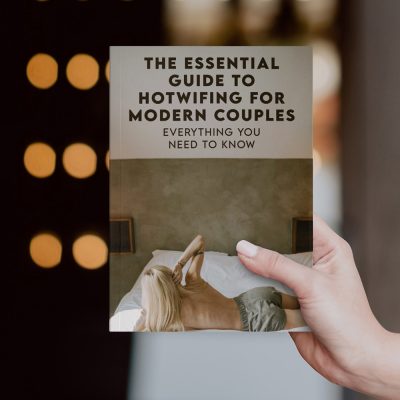
The fantasy is electric. The reality? It can feel like holding a grenade with the pin pulled. That gnawing fear that you might lose her isn't paranoia, it’s a warning. Without a battle-tested strategy, you aren't just exploring; you’re gambling with the most important thing in your life.
The Essential Guide replaces the terrifying unknown with ironclad structure. From managing primal jealousy to setting unbreakable boundaries, we provide the safety manual required to walk through the fire without getting burned. Don't guess. Know.

The fantasy is intoxicating. The reality? It can be terrifying. That sickening drop in your stomach when she leaves isn't just nerves; it's the fear of the unknown threatening everything you’ve built. Don't let vague agreements become grounds for disaster. You need structure before the chaos hits.
The Hotwife Contract Creator transforms your deepest anxieties about safety, emotions, and "going too far" into a rock-solid, signed agreement. Silence the jealousy and lock down your safety net so you can actually survive the thrill.

The fantasy is incredible, but the logistics can tear you apart. That sickening knot of anxiety you feel when she leaves isn't weakness; it's your brain warning you that you're flying without a safety net. Ambiguity is the oxygen that jealousy breathes. Don't let undefined "gray areas" become the reason your marriage implodes.
The Official Hotwife Rules Generator doesn't just list acts; it builds a protective fortress around your relationship. Get the concrete roadmap you need to ensure this high-stakes adventure doesn't turn into a disaster.

The fantasy is intoxicating. The reality? It can be a psychological car crash. That gut-wrenching drop when the bedroom door locks you out isn't just nerves, it’s a warning. 90% of men love the porn but crumble under the visceral weight of actual exclusion and emotional coldness.
This test drags your ego into the harsh light of day. We measure your resilience against the specific triggers that destroy marriages. Are you a true Cuckold or just a Tourist about to self-destruct? Check your ego before you wreck your life.

The fantasy is a rush, but the reality is a razor’s edge. That sickening drop when "humiliation" stops being a game and starts destroying his self-worth isn't a risk. It is the end of your marriage. Confusing "Stag" pride with "Cuckold" degradation is the fastest way to trauma.
This tool drags your hidden desires into the light. Pinpoint exactly where the fun stops and the pain begins, from gentle teasing to hard exclusion. Define your limits now before a misunderstanding becomes a permanent scar.
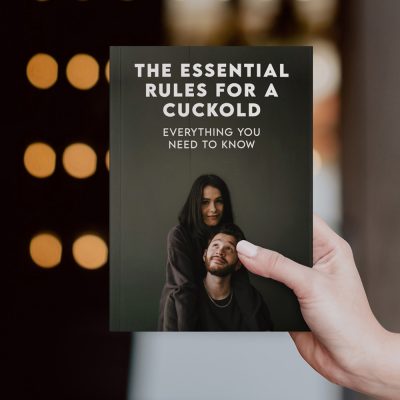
The fantasy is surrender. The reality is often shame that eats you alive. That gut-wrenching drop when the humiliation feels too real isn't part of the game. It is a warning that your psyche is cracking. Without a safety net, you aren't playing. You are traumatizing yourself.
The Essential Rules replaces reckless degradation with calculated intensity. We provide the contracts, vetting protocols, and aftercare scripts needed to explore the edge without falling off. Don't let a scene become a permanent scar.
How judgment often shows up in daily life
Judgment can show up in many forms. Here are some realistic patterns you might encounter along with simple responses that keep the door open while setting boundaries.
From family gatherings
- Questioning tone about why a partner is not emotionally exclusive or about how you arrange dates with others.
- A mixture of concern and curiosity that can slide into moralizing language.
- Hints that you should be more like other families who stay strictly monogamous.
Response approach:
- Lead with values you share together. For example say We both value honesty and trust and that is why we choose to have open conversations about our needs.
- Offer simple boundaries for the moment. For example We keep those conversations between us and we decide together what to share with others.
- Offer a calm educational note. For instance ENM is about consent clear agreements and ongoing communication rather than a push for novelty at any cost.
From friends and coworkers
- Casual jokes about ethics or about the shock value of your choices.
- Direct questions about how you handle jealousy or about what the rules are.
- Comparisons to past relationships that imply you are making a mistake.
Response approach:
- Use a brief teaching moment. For example ENM is a deliberate choice made by adults with clear boundaries not a wild experiment without checks.
- Normalize the conversation by offering resources. For instance If you want to learn more here are a few articles we trust. If not that is perfectly fine too.
- Set limits gently. For example I am not comfortable discussing intimate details in a work setting but I am happy to talk about how we maintain trust and safety in our relationship.
Online comments and social media
- Public judgments that reduce ENM to stereotypes or sensational headlines.
- Messages that feel like moral judgments rather than questions deserve constructive boundaries.
Response approach:
- Keep it factual and calm. For example ENM means ethical non monogamy with mutual consent not an invitation for everyone to weigh in on our private life.
- Avoid getting drawn into heated arguments in public spaces. If needed step away and respond in a private setting or choose not to engage.
- Offer to continue the conversation in a respectful frame. For instance I am happy to discuss this further in a private message if you are open to it.
Practical strategies to handle judgment with confidence
The good news is you can move through judgment with dignity and care. Here are proven approaches that work in a wide range of situations.
Clarify and communicate your boundaries
Boundaries are not walls they are agreements about what is okay and what is not. Start with the basics and layer in more detail as trust grows. This is not about making someone agree with you it is about creating clear predictable patterns so you can feel safe and respected.
- State what you are comfortable discussing and what you are not.
- Explain how your arrangement works at a high level and offer to share more details only if asked and if it feels appropriate.
- Keep the focus on safety wellbeing and consent. Those topics are universally accepted boundaries and they give you a solid foundation for any conversation.
Offer accessible definitions and explanations
One problem with judgment is that terms get misinterpreted. Take time to explain ENM hotwife primary partner secondary partner and compersion in simple language. Consider a short one sentence definition you can repeat in different contexts. For example Ethical non monogamy means all parties consent to more than one relationship and we communicate openly about our needs and boundaries.
Use a respectful script you can adapt
People are influenced by how you speak not just what you say. A calm even tone paired with clear language makes a big difference. Here are a few adaptable lines you can customize.
- Thanks for caring about us. We are happy with the way our relationship works because we communicate honestly and with consent every step of the way.
- We understand these topics can be surprising. If you want to know more we have resources that explain the framework and how we keep everyone safe and respected.
- We would rather talk about our shared values including trust respect and open communication than about stereotypes about relationships.
Choose moments to educate and moments to disengage
Educating people who truly want to understand can be rewarding but not every moment is the right moment. Decide when you want to invest time in the conversation and when you would rather set a boundary and move on. If a person is hostile or dismissive it is perfectly acceptable to step away politely and handle the matter privately later if at all.
Document boundaries in writing when helpful
Some couples find it useful to share a short written note that explains their relationship style in broad terms without disclosing intimate details. A simple document can help you respond to questions in a consistent way and reduce repetitive explanations in social settings.
How to talk to family members who carry heavy opinions
Family dynamics can add a special kind of pressure because there are long histories and shared expectations. When family members express judgment here are some practical moves that help.
- Choose a private quiet moment to talk rather than addressing sensitive topics in the middle of a gathering.
- Lead with common values you share such as care for each other and commitment to your children or family wellbeing.
- Accept that not everyone will agree with your choices and that is okay. You can still have a respectful relationship without changing the core structure of your life.
- Offer a way to stay connected that does not require agreement on every point. For example we can discuss our plans when you are ready to listen without judgment.
Boundaries that protect your relationship and your peace
Boundaries are priceless when navigating judgment. They protect your emotional safety and give your relationship room to grow. Here are some boundaries you might consider in the hotwife ENM context.
- What information you share with which people. You can decide what you disclose to family friends or coworkers and what you keep private.
- What topics you refuse to discuss in certain settings. For example We prefer not to discuss intimate details in front of the group.
- Which venues are acceptable for dates or meetups. You can specify that casual meetups occur in safe public places and that you do not discuss them in family settings.
- Consent and safety commitments. Make it clear that everyone involved has given explicit consent to the arrangement and that safety practices are followed.
Navigating safety and wellbeing
Safety is not just about physical safety it is about emotional safety too. Talking about consent boundaries risk management and communication is essential. The hotwife ENM dynamic can be a healthy way to express desire and trust when done with care and attention to the wellbeing of all people involved.
- Regular check ins with all partners to ensure everyone feels respected and heard.
- Clear agreements about what is allowed who is allowed and under what conditions. These agreements should be revisited and renegotiated when life changes or when someone feels uneasy.
- Access to resources and education about safe sex practices privacy boundaries and healthy communication.
The fantasy is electric. The reality? It can feel like holding a grenade with the pin pulled. That gnawing fear that you might lose her isn't paranoia, it’s a warning. Without a battle-tested strategy, you aren't just exploring; you’re gambling with the most important thing in your life.
The Essential Guide replaces the terrifying unknown with ironclad structure. From managing primal jealousy to setting unbreakable boundaries, we provide the safety manual required to walk through the fire without getting burned. Don't guess. Know.
The fantasy is intoxicating. The reality? It can be terrifying. That sickening drop in your stomach when she leaves isn't just nerves; it's the fear of the unknown threatening everything you’ve built. Don't let vague agreements become grounds for disaster. You need structure before the chaos hits.
The Hotwife Contract Creator transforms your deepest anxieties about safety, emotions, and "going too far" into a rock-solid, signed agreement. Silence the jealousy and lock down your safety net so you can actually survive the thrill.
The fantasy is incredible, but the logistics can tear you apart. That sickening knot of anxiety you feel when she leaves isn't weakness; it's your brain warning you that you're flying without a safety net. Ambiguity is the oxygen that jealousy breathes. Don't let undefined "gray areas" become the reason your marriage implodes.
The Official Hotwife Rules Generator doesn't just list acts; it builds a protective fortress around your relationship. Get the concrete roadmap you need to ensure this high-stakes adventure doesn't turn into a disaster.
The fantasy is intoxicating. The reality? It can be a psychological car crash. That gut-wrenching drop when the bedroom door locks you out isn't just nerves, it’s a warning. 90% of men love the porn but crumble under the visceral weight of actual exclusion and emotional coldness.
This test drags your ego into the harsh light of day. We measure your resilience against the specific triggers that destroy marriages. Are you a true Cuckold or just a Tourist about to self-destruct? Check your ego before you wreck your life.
The fantasy is a rush, but the reality is a razor’s edge. That sickening drop when "humiliation" stops being a game and starts destroying his self-worth isn't a risk. It is the end of your marriage. Confusing "Stag" pride with "Cuckold" degradation is the fastest way to trauma.
This tool drags your hidden desires into the light. Pinpoint exactly where the fun stops and the pain begins, from gentle teasing to hard exclusion. Define your limits now before a misunderstanding becomes a permanent scar.
The fantasy is surrender. The reality is often shame that eats you alive. That gut-wrenching drop when the humiliation feels too real isn't part of the game. It is a warning that your psyche is cracking. Without a safety net, you aren't playing. You are traumatizing yourself.
The Essential Rules replaces reckless degradation with calculated intensity. We provide the contracts, vetting protocols, and aftercare scripts needed to explore the edge without falling off. Don't let a scene become a permanent scar.
Myths about hotwife ENM debunked
Misunderstandings spread fast in online spaces and in casual conversations. Here are common myths and why they misrepresent reality.
- Myth: ENM means every moment is a party.
Reality: ENM centers on consent communication and respect. The actual experiences are varied with some days calm and some days intense just like any relationship. - Myth: ENM is about exploitation.
Reality: Ethical non monogamy prioritizes the wellbeing and consent of all involved not manipulation or control. - Myth: Hotwife means the wife is disloyal.
Reality: Loyalty in ENM is defined by the rules the couple sets and the way they support each other within those rules. - Myth: If you love someone you cannot want to see them with other people.
Reality: Compersion is the feeling of joy when a partner experiences happiness with someone else and many people in ENM report this as a positive emotion when boundaries are clear. - Myth: ENM is a substitute for commitment.
Reality: Many couples with ENM report deep and ongoing commitment based on trust honesty and shared life goals. - Myth: ENM equals casual sex without emotions.
Reality: ENM involves emotional boundaries and often long term relationships with strong emotional components.
A practical step by step plan for handling judgment when it happens
Below is a compact game plan you can print or save to your phone. It is designed to be simple to follow in the moment while giving you room to adapt to your own style and circumstances.
- Pause and assess Take a breath and decide your goal for the conversation whether it is to inform educate or simply set a boundary and move on.
- State your boundary A short clear boundary can be enough even in a crowded setting. For example I understand this topic is sensitive for you. I am not here to debate my choices and I would rather not discuss intimate details in this setting.
- Offer a definition Provide a concise explanation in plain language to reduce misunderstanding.
- Provide a resource option If the person seems open invite them to read a reputable article or suggest a conversation in private.
- Exit gracefully If the conversation becomes heated or disrespectful step away with a simple closing line to protect your wellbeing. We can revisit this later when energy is calmer.
Glossary of useful terms and acronyms
- ENM Ethical Non Monogamy a framework that emphasizes consent openness and honesty about multiple relationships.
- Hotwife A wife or female partner who has sexual experiences with other people with her partner s knowledge and often encouragement.
- Primary partner The main partner in a relationship who often provides emotional support and long term commitment.
- Secondary partner A partner who is involved but not central to the day to day life base of the relationship.
- Compersion The feeling of joy jealousy free happiness when a partner experiences pleasure with someone else.
- Consent A voluntary agreement to participate in a specific activity after clear communication and without coercion.
- Boundaries Agreed lines that define what is acceptable and what is not in a relationship.
Real world scenarios you might face and how to handle them
We close with a few realistic scenes and practical responses you can adapt to your own voice and situation. Remember the aim is to protect your relationship while staying respectful to others and staying true to your own values.
Scenario A a distant relative questions your choices at a family event
Response technique: Briefly acknowledge the question then refocus on shared family values. For instance You know we value honesty and trust in our home and that is why we have conversations about boundaries. If they press for more you can add We are happy to discuss sources about ENM in private or with a counselor who understands these dynamics.
Scenario B a coworker posts a flippant comment about your relationship dynamic online
Response technique: A calm corrective statement that invites private dialogue. For example I value my privacy and I also value consent and respectful discussion. If you want to learn more I can share some resources but I would prefer to keep this topic off public platforms.
Scenario C a friend treats your choices as a personal judgment
Response technique: Normalize and set a boundary. For instance I respect your opinion but that is a personal matter and I would appreciate living my life without being judged for it. If you re curious we can talk about general relationship health without critiquing my life.
Scenario D a family member expresses concern about safety
Response technique: Shift to safety facts and boundaries. For example Safety and consent are our priority so we have clear boundaries and always practice protected sex and honest communication. If you want to talk about safety we can discuss the steps we take and share credible resources.
Self care and support while dealing with judgment
Judgment can be emotionally draining. Protecting your mental health matters just as much as protecting your relationship. Here are some practical strategies to keep your energy up and your head clear.
- Build a trusted support network including friends who understand ENM and professionals who are respectful of your choices.
- Write in a journal about moments when judgment hits you hard. Note what was said how it felt and what you would like to say next time.
- Take time for yourself with activities that restore calm whether that is a long walk a workout a movie night or a spa break.
- Consider seeking therapy or coaching that specializes in non traditional relationships. A trained professional can help you navigate conversations with confidence and kindness.
A note on privacy and disclosure
Deciding what to share with people outside your close circle is a personal choice and a practical one. Some couples intentionally keep certain details private to protect the wellbeing of everyone involved. Others choose to be transparent with close friends while maintaining privacy in larger social networks. The key is to decide in advance what you are comfortable sharing and to stick to those boundaries even when you are pressed. When you do disclose consider framing your relationship in terms of values and intent rather than vivid details. For example we choose openness honesty and ongoing consent as the foundation of our relationship and we are always happy to discuss the topics in a respectful and educational way.
Putting it all together A simple plan you can follow
Here is a compact actionable plan you can use in everyday life to deal with judgment in a calm confident manner.
- Identify the source Who is judging and what is the core concern behind the judgment?
- Choose your goal Do you want education boundary setting or simply to exit the conversation?
- Deliver a concise message A 20 to 40 second explanation followed by a boundary if needed.
- Offer resources or a private discussion Provide a path for those who want to learn more without forcing a debate in a public setting.
- Close with care End with gratitude for their interest even if you do not agree and a reminder of your shared goals.
Final thoughts on dealing with judgment
We have explored a lot of ground from definitions and terms to practical conversation strategies and boundary setting. The core message is simple you deserve to live your life with consent honesty and respect whether you are in a conventional relationship or exploring a hotwife ENM dynamic. People who care about you want you to be happy even if they worry or do not understand your choices. By staying patient providing clear information and preserving boundaries you give yourself the best chance to maintain strong relationships and a stable sense of self. Remember you are not alone and there are communities and professionals who can help you navigate these conversations with care and confidence.
Checklist before you step into a tough conversation
- Know your boundaries and articulate them clearly
- Have a short definition ready for ENM hotwife and related terms
- Choose a private setting for important conversations
- Bring resources or a plan to discuss resources if the other person is open
- Practice your opening lines so you feel steady when you start
- Be prepared to exit the conversation gracefully if it becomes disrespectful or overly intense
Frequently asked questions
The fantasy is electric. The reality? It can feel like holding a grenade with the pin pulled. That gnawing fear that you might lose her isn't paranoia, it’s a warning. Without a battle-tested strategy, you aren't just exploring; you’re gambling with the most important thing in your life.
The Essential Guide replaces the terrifying unknown with ironclad structure. From managing primal jealousy to setting unbreakable boundaries, we provide the safety manual required to walk through the fire without getting burned. Don't guess. Know.
The fantasy is intoxicating. The reality? It can be terrifying. That sickening drop in your stomach when she leaves isn't just nerves; it's the fear of the unknown threatening everything you’ve built. Don't let vague agreements become grounds for disaster. You need structure before the chaos hits.
The Hotwife Contract Creator transforms your deepest anxieties about safety, emotions, and "going too far" into a rock-solid, signed agreement. Silence the jealousy and lock down your safety net so you can actually survive the thrill.
The fantasy is incredible, but the logistics can tear you apart. That sickening knot of anxiety you feel when she leaves isn't weakness; it's your brain warning you that you're flying without a safety net. Ambiguity is the oxygen that jealousy breathes. Don't let undefined "gray areas" become the reason your marriage implodes.
The Official Hotwife Rules Generator doesn't just list acts; it builds a protective fortress around your relationship. Get the concrete roadmap you need to ensure this high-stakes adventure doesn't turn into a disaster.
The fantasy is intoxicating. The reality? It can be a psychological car crash. That gut-wrenching drop when the bedroom door locks you out isn't just nerves, it’s a warning. 90% of men love the porn but crumble under the visceral weight of actual exclusion and emotional coldness.
This test drags your ego into the harsh light of day. We measure your resilience against the specific triggers that destroy marriages. Are you a true Cuckold or just a Tourist about to self-destruct? Check your ego before you wreck your life.
The fantasy is a rush, but the reality is a razor’s edge. That sickening drop when "humiliation" stops being a game and starts destroying his self-worth isn't a risk. It is the end of your marriage. Confusing "Stag" pride with "Cuckold" degradation is the fastest way to trauma.
This tool drags your hidden desires into the light. Pinpoint exactly where the fun stops and the pain begins, from gentle teasing to hard exclusion. Define your limits now before a misunderstanding becomes a permanent scar.
The fantasy is surrender. The reality is often shame that eats you alive. That gut-wrenching drop when the humiliation feels too real isn't part of the game. It is a warning that your psyche is cracking. Without a safety net, you aren't playing. You are traumatizing yourself.
The Essential Rules replaces reckless degradation with calculated intensity. We provide the contracts, vetting protocols, and aftercare scripts needed to explore the edge without falling off. Don't let a scene become a permanent scar.
