
Defining the Relationship Container

If you are exploring an arrangement where a wife or partner can have sexual experiences with others while a primary relationship stays intact the term hotwife pops up a lot. This dynamic sits within the broader world of ethical non monogamy or ENM for short. A relationship container is the set of boundaries rules and practices that keep everyone safe and comfortable as the dynamic unfolds. This article breaks down what a container looks like when you are in a hotwife ENM setup and shows you how to build one that fits your team. We will explain terms and acronyms as we go so you can read with confidence even if you are new to this space. Think of this as a map you can tailor to your own needs and values while keeping things honest and human friendly.
Quick Links to Useful Sections
- What is a relationship container
- What is a hotwife ENM dynamic
- Terms you may encounter
- Why a container matters in a hotwife ENM setup
- Core elements of a relationship container
- Consent and negotiation
- Boundaries and rules
- Communication framework
- Safety and STI prevention
- Jealousy management
- Emotional boundaries and aftercare
- Transparency and disclosure
- Involvement of third party partners
- Scheduling and time management
- Privacy and social media
- Conflict resolution and renegotiation
- Practical steps to define your container
- Step 1. Individual reflection
- Step 2. Open dialogue
- Step 3. Draft your container document
- Step 4. Trial period
- Step 5. Regular check ins
- Templates and examples you can adapt
- Real world scenarios and how the container helps
- Scenario one first encounter with a bull
- Scenario two jealousy after a weekend away
- Scenario three renegotiation after a major life change
- Practical tips to keep the container healthy
- Glossary of useful terms and acronyms
- Frequently asked questions
- Closing notes
What is a relationship container
A relationship container is a practical agreed upon framework that includes boundaries rules and processes. It is not a list of restrictions designed to crush spontaneity. It is a living plan that helps everyone know what to expect what is allowed what is not and how to handle feelings that show up. A tight container creates a sense of safety and predictability while still allowing room for exploration. In a hotwife ENM set up the container focuses on the wife or partner who will have sexual experiences with others. It also covers how the primary partner or partners engage feel secure and stay connected. The container is built on clear communication ongoing consent and a commitment to renegotiate as people grow and the relationship shifts.
What is a hotwife ENM dynamic
ENM stands for ethical non monogamy. It is a broad category that covers relationships where more than two people participate with consent. A hotwife is a woman who engages in sexual activity with partners outside her primary relationship with the knowledge and consent of her partner. The primary partner in this dynamic may be called a husband or a boyfriend or a partner. The person who partners with the hotwife in a sexual encounter is often referred to as a bull in scenes where a third man is involved or simply as a third partner. Some couples use different labels depending on their tastes and traditions. The key idea is that all adults are informed and agree to the arrangement. This is not about secrecy. It is about consent honesty and care for the emotions of everyone involved.
Terms you may encounter
- Hotwife A wife or partner who has sexual experiences with other people with her partner s knowledge and consent.
- Primary partner The person who is in a central or long term relationship with the hotwife in this dynamic.
- Bull A man who has sex with the hotwife as part of the dynamic. The bull is often chosen with the consent of the primary partner and may have a specific role or expectations in the arrangement.
- Cuckold A term sometimes used to describe a male partner who is aroused by his partner s sexual experiences with others. Some couples embrace the term while others prefer not to use it because of negative associations.
- Cuckquean A term used to describe a female partner who derives arousal from her partner s sexual activity with others or from a related dynamic.
- Enm Short for ethical non monogamy. It describes relationships where all parties consent to more than two loving and sexual connections.
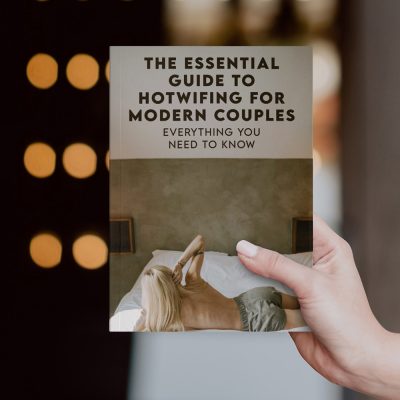
The fantasy is electric. The reality? It can feel like holding a grenade with the pin pulled. That gnawing fear that you might lose her isn't paranoia, it’s a warning. Without a battle-tested strategy, you aren't just exploring; you’re gambling with the most important thing in your life.
The Essential Guide replaces the terrifying unknown with ironclad structure. From managing primal jealousy to setting unbreakable boundaries, we provide the safety manual required to walk through the fire without getting burned. Don't guess. Know.

The fantasy is intoxicating. The reality? It can be terrifying. That sickening drop in your stomach when she leaves isn't just nerves; it's the fear of the unknown threatening everything you’ve built. Don't let vague agreements become grounds for disaster. You need structure before the chaos hits.
The Hotwife Contract Creator transforms your deepest anxieties about safety, emotions, and "going too far" into a rock-solid, signed agreement. Silence the jealousy and lock down your safety net so you can actually survive the thrill.

The fantasy is incredible, but the logistics can tear you apart. That sickening knot of anxiety you feel when she leaves isn't weakness; it's your brain warning you that you're flying without a safety net. Ambiguity is the oxygen that jealousy breathes. Don't let undefined "gray areas" become the reason your marriage implodes.
The Official Hotwife Rules Generator doesn't just list acts; it builds a protective fortress around your relationship. Get the concrete roadmap you need to ensure this high-stakes adventure doesn't turn into a disaster.

The fantasy is intoxicating. The reality? It can be a psychological car crash. That gut-wrenching drop when the bedroom door locks you out isn't just nerves, it’s a warning. 90% of men love the porn but crumble under the visceral weight of actual exclusion and emotional coldness.
This test drags your ego into the harsh light of day. We measure your resilience against the specific triggers that destroy marriages. Are you a true Cuckold or just a Tourist about to self-destruct? Check your ego before you wreck your life.

The fantasy is a rush, but the reality is a razor’s edge. That sickening drop when "humiliation" stops being a game and starts destroying his self-worth isn't a risk. It is the end of your marriage. Confusing "Stag" pride with "Cuckold" degradation is the fastest way to trauma.
This tool drags your hidden desires into the light. Pinpoint exactly where the fun stops and the pain begins, from gentle teasing to hard exclusion. Define your limits now before a misunderstanding becomes a permanent scar.

The fantasy is surrender. The reality is often shame that eats you alive. That gut-wrenching drop when the humiliation feels too real isn't part of the game. It is a warning that your psyche is cracking. Without a safety net, you aren't playing. You are traumatizing yourself.
The Essential Rules replaces reckless degradation with calculated intensity. We provide the contracts, vetting protocols, and aftercare scripts needed to explore the edge without falling off. Don't let a scene become a permanent scar.
Why a container matters in a hotwife ENM setup
A solid container helps you navigate complex emotions and keep everyone on the same page. It lowers the risk of miscommunication and misaligned expectations. It creates a safety net for disclosure and it gives you a clear process for renegotiation if feelings change. The result is less guessing and more understanding. When the rules are agreed upon in advance you reduce the chances of resentment building up over time. You also create a structure that makes it easier to handle jealousy and to support each other through moments of insecurity.
Core elements of a relationship container
Below you will find the core elements that show up in most hotwife ENM containers. You will notice a common thread which is honesty consent and care for each other. You can mix and match these elements to fit your style and your values.
Consent and negotiation
All participants should give explicit consent to each new scenario or partner. Ongoing consent means that a person can change their mind at any time and withdrawal should be respected without pressure or shaming. The idea is to check in regularly and revisit the initial agreements as needed. It is not about pushing someone to do more than they want. It is about ensuring everyone feels heard and safe.
Boundaries and rules
Boundaries are the lines that no one crosses and rules are the practical behaviors that enforce those lines. You will want hard boundaries which are non negotiable and soft boundaries which can be revisited. Soft boundaries can become hard boundaries later if needed. Examples include rules about who can be involved what acts are permitted where and how information is shared after a meeting. Boundaries also cover emotional territory like how much emotional involvement is appropriate with a third party and how to handle deep emotional connections that may form.
Communication framework
Regular check ins are essential. Decide how often you will talk about the dynamic. Some couples do weekly debriefs while others schedule monthly deep dives. The important thing is consistent open honest communication and a rhythm that works for everyone. The framework should include how to share new concerns how to celebrate wins and how to manage decisions when partners disagree.
Safety and STI prevention
Safety must be a baseline. Shared health practices including regular STI testing and clear decisions about contraception if that is relevant should be part of the container. Establish how you will verify health status and how you will handle changes in risk or new partners. Consider agreements about safe sex protective barriers and what happens if someone tests positive.
Jealousy management
Jealousy is common in any dynamic that involves sexual activity outside a primary relationship. The container should include practical steps to manage jealousy such as pause points for cooling off time and procedures for seeking reassurance. Many couples discover that regular communication and predictable responses from partners reduce jealousy over time. It is also helpful to identify triggers and to create plans for addressing them before they escalate.
Emotional boundaries and aftercare
Aftercare is the quiet supportive time after an encounter where partners check in with each other. Aftercare can include talking cuddling or simply being present with one another. It is designed to help partners feel connected and secure after a potentially intense experience. Emotional boundaries address needs for space or closeness and clarify how long aftercare should last.
Transparency and disclosure
Transparency means sharing information that impacts the primary relationship. This can include who the other partner is what level of interaction is happening and any schedule changes. The goal is to avoid secret arrangements that can undermine trust. Some couples choose to share contact details or allow for occasional messages while others keep a more limited approach. The key is to agree on what level of disclosure feels comfortable for everyone.
Involvement of third party partners
Define how third parties are chosen and what information about them will be shared. Some couples want to know names and general backgrounds while others prefer not to know certain details beyond screening results. Decide how you will handle contact between the hotwife and a third party especially if boundaries include emotional or ongoing connections.
Scheduling and time management
Time is a finite resource in every relationship. The container should specify how scheduling works what gets prioritized and how conflicts are resolved. Some couples keep a shared calendar for visits while others set time blocks for social events and for couple time.
Privacy and social media
Discuss what can be shared publicly and what should remain private. Decide how to handle posts about the dynamic on social networks how to label or not label participants in photos and how to talk about experiences in casual conversations.
Conflict resolution and renegotiation
Disagreements happen and they do not have to derail a relationship. The container should include a clear process for handling disputes including who should mediate and how to document changes. Set a plan for renegotiation after major life events such as a new partner a move career shift or a change in health or family responsibilities.
Practical steps to define your container
Here is a simple practical sequence you can follow to create or revise your container. It is designed to be collaborative and constructive.
Step 1. Individual reflection
Each partner writes down their needs boundaries fears and goals for the dynamic. Consider questions such as what are you hoping to gain from this experience what would make you feel safe and what would push you past your comfort zone. Clarify non negotiables and soft preferences.
Step 2. Open dialogue
Schedule a dedicated conversation where each person shares their reflections. Use a calm tone and keep the space non judgmental. The goal is to listen not to win the argument. Validate feelings even if you do not share the same view.
Step 3. Draft your container document
Put everything on the page in a practical format. Include sections for consent boundaries rules safety and privacy. Write in clear concrete language and avoid vague statements. Use scenarios to illustrate how the container would apply in real life.
Step 4. Trial period
Agree to a trial period where you test the container with a couple of experiences. Build in check ins at the end and adjust the document based on what you learn. This is the time to fix minor issues before they grow into larger problems.
Step 5. Regular check ins
Plan ongoing reviews of the container. Use these moments to celebrate progress and to amend sections that no longer fit. The goal is growth not rigidity.
Templates and examples you can adapt
Here are practical language drops you can customize for your own container. You can copy and adjust as needed.
- Sample consent statement We agree that both partners can pursue experiences with others with the knowledge and consent of the other. Consent can be withdrawn at any time and will be respected immediately.
- Sample boundary No emotional entanglements beyond a certain level with external partners or no personal details shared after events unless both partners have approved.
- Sample rule All encounters will be discussed in advance unless there is an agreed spontaneous exception that both partners acknowledge.
- Sample safety language All partners will receive STI testing regularly and results will be shared within a defined time window.
- Sample aftercare plan After care will include 20 minutes of conversation with one partner at a minimum and the reminder that we are a team.
Real world scenarios and how the container helps
Scenario one is about a first outside encounter with a bull. The container guides how the couple communicates before during and after the experience. Scenario two covers a situation where jealousy surfaces after a weekend away. In both cases the container provides a clear pathway to handling emotions while keeping boundaries intact. Scenario three looks at renegotiation after a major life change. When life shifts you can adjust the container in a controlled and transparent way.
Scenario one first encounter with a bull
Before the first encounter the couple discusses who will select the bull what activities are allowed and how much information will be shared afterwards. They agree on a no surprises policy meaning the hotwife will tell her partner about what happened in a timely and respectful way. They specify a time limit for the encounter a safe word and a post encounter check in to address any emotional ripple effects. After the encounter the couple debriefs and documents any adjustments to the container.
Scenario two jealousy after a weekend away
Jealousy can show up as resentment or fear. The container provides a plan for this moment including a pause period a scheduled conversation later in the week and a set of steps to rebuild trust. They agree to share a basic outline of the weekend to maintain transparency while protecting the privacy of everyone involved. They also decide to increase aftercare to help each partner feel valued and secure.
Scenario three renegotiation after a major life change
A new job a move or a change in family responsibilities can shift needs. The container includes a formal renegotiation step where the couple sits down with a clear agenda and a time bound plan to adjust boundaries and rules. Both partners have the option to pause the dynamic if needed and return to the discussion after a defined period.
Practical tips to keep the container healthy
Consistency is your friend in this space. Keep the lines of communication open use clear language and avoid mind reading. Revisit the container after every significant event even if the changes feel small. Celebrate progress and be grateful for the honesty that makes a hotwife ENM arrangement workable.
Glossary of useful terms and acronyms
- ENM Ethical non monogamy the practice of having intimate or sexual connections with others with informed consent from all partners.
- Hotwife A wife or partner who engages in sexual experiences with others with the knowledge and consent of her partner.
- Bull A man who has sex with the hotwife as part of the arrangement.
- Primary partner The main or long term partner in the relationship.
- Consent Clear voluntary agreement to participate in a specific activity free from pressure or coercion.
- Aftercare The supportive time after an intimate encounter to check in and reaffirm connection.
- Transparency Sharing information that could affect all parties in the dynamic.
- Red flags Warning signs that the container may be at risk or needs immediate renegotiation.
Frequently asked questions
These questions cover common concerns in a hotwife ENM container and offer practical guidance. If you want a deeper dive on any topic use the prompts in the step by step section to tailor answers for your own situation.
What exactly is a relationship container
A container is a practical set of agreements that guides how the dynamic works who is involved what activities take place and how people communicate. It is designed to protect emotional safety while supporting exploration.
How do we start defining our container
Begin with a conversation about what each person wants from the dynamic and what they cannot accept. Write down a draft that covers consent boundaries and safety. Then test it with a low risk scenario and revise as needed.
What if we disagree on a boundary
Treat it as a cue to renegotiate. Schedule a time to talk through the conflicting needs. Propose a compromise that respects both sides and revisit the document to reflect the new agreement.
How can we handle jealousy in a hotwife ENM dynamic
Jealousy often signals a boundary that needs clarification or a need for more reassurance. Use calm check ins with specific prompts to understand what is driving the feeling. Increase aftercare and ensure both partners feel heard and valued.
Should outside partners be disclosed to family or friends
Disclosure is a personal choice. Decide what level of information you both want to share with your wider network. Protect privacy while maintaining transparency with each other.
How often should we revisit the container
Most couples find it helpful to revisit monthly or after any major life change. The goal is to keep the container aligned with current needs and circumstances.
Is it okay to adjust the container over time
Absolutely. A container should evolve as people grow or as life changes. Make renegotiation a routine part of your relationship instead of a rare dramatic event.
How do we handle a partner who wants to end the arrangement
Respect their decision and focus on a compassionate transition. Review the container to identify what worked well and what did not. Use those lessons to support future choices for both partners.
Can the container include emotional connections with third parties
Yes but this requires careful boundaries and ongoing consent. Discuss how deep those connections may become and how you will manage emotional closeness.
Closing notes
Building a sturdy relationship container is an act of care commitment and collaboration. It is not a one time exercise but an ongoing practice. The more you invest in clear communication honest check ins and a willingness to renegotiate the healthier your dynamic will feel. The hotwife ENM path can be immensely rewarding when it is grounded in respect for everyone involved and a shared determination to keep the connection strong. The container gives you a practical map but the journey is driven by your own values and the trust you choose to cultivate day by day.
The fantasy is electric. The reality? It can feel like holding a grenade with the pin pulled. That gnawing fear that you might lose her isn't paranoia, it’s a warning. Without a battle-tested strategy, you aren't just exploring; you’re gambling with the most important thing in your life.
The Essential Guide replaces the terrifying unknown with ironclad structure. From managing primal jealousy to setting unbreakable boundaries, we provide the safety manual required to walk through the fire without getting burned. Don't guess. Know.
The fantasy is intoxicating. The reality? It can be terrifying. That sickening drop in your stomach when she leaves isn't just nerves; it's the fear of the unknown threatening everything you’ve built. Don't let vague agreements become grounds for disaster. You need structure before the chaos hits.
The Hotwife Contract Creator transforms your deepest anxieties about safety, emotions, and "going too far" into a rock-solid, signed agreement. Silence the jealousy and lock down your safety net so you can actually survive the thrill.
The fantasy is incredible, but the logistics can tear you apart. That sickening knot of anxiety you feel when she leaves isn't weakness; it's your brain warning you that you're flying without a safety net. Ambiguity is the oxygen that jealousy breathes. Don't let undefined "gray areas" become the reason your marriage implodes.
The Official Hotwife Rules Generator doesn't just list acts; it builds a protective fortress around your relationship. Get the concrete roadmap you need to ensure this high-stakes adventure doesn't turn into a disaster.
The fantasy is intoxicating. The reality? It can be a psychological car crash. That gut-wrenching drop when the bedroom door locks you out isn't just nerves, it’s a warning. 90% of men love the porn but crumble under the visceral weight of actual exclusion and emotional coldness.
This test drags your ego into the harsh light of day. We measure your resilience against the specific triggers that destroy marriages. Are you a true Cuckold or just a Tourist about to self-destruct? Check your ego before you wreck your life.
The fantasy is a rush, but the reality is a razor’s edge. That sickening drop when "humiliation" stops being a game and starts destroying his self-worth isn't a risk. It is the end of your marriage. Confusing "Stag" pride with "Cuckold" degradation is the fastest way to trauma.
This tool drags your hidden desires into the light. Pinpoint exactly where the fun stops and the pain begins, from gentle teasing to hard exclusion. Define your limits now before a misunderstanding becomes a permanent scar.
The fantasy is surrender. The reality is often shame that eats you alive. That gut-wrenching drop when the humiliation feels too real isn't part of the game. It is a warning that your psyche is cracking. Without a safety net, you aren't playing. You are traumatizing yourself.
The Essential Rules replaces reckless degradation with calculated intensity. We provide the contracts, vetting protocols, and aftercare scripts needed to explore the edge without falling off. Don't let a scene become a permanent scar.
