
Disclosure to Friends or Chosen Family


If you are exploring a hotwife ethically non monogamous dynamic and you want to tell your circle of friends or chosen family about it you are not alone. This guide is built to help you share in a way that feels true to your relationship while also respecting others needs. We speak plainly and without on the nose drama. We explain terms so you can drop into conversations with confidence. And we offer practical scenarios that show how disclosure can go and what is worth sharing and what can stay private.
Quick Links to Useful Sections
- What is a hotwife ENM dynamic and why disclosure matters
- Key terms you should know
- Who counts as friends or chosen family in this context
- When to disclose and what to share
- Timing matters
- What to share and what to hold back
- A simple disclosure framework you can use
- How to explain consent and boundaries clearly
- Realistic disclosure scenarios
- Scenario one a close friend who is curious and open minded
- Scenario two a relative who is traditional or cautious
- Scenario three a friend who asks for intimate details
- Scenario four a group setting with pressure to reveal more
- Handling jealousy and emotional reactions when disclosing
- Maintaining relationships after disclosure
- Practical tips for disclosure
- What to share and what to keep private
- Maintaining privacy and safety online and offline
- Realistic myths and how to handle them
- Discussing safety and health
- Scripts you can adapt for conversations
- Glossary of useful terms and acronyms
- Frequently asked questions
What is a hotwife ENM dynamic and why disclosure matters
First a quick on the basics so you feel grounded. A hotwife is a wife or female partner who has sexual experiences with other men with the knowledge and often the involvement of her partner. ENM stands for ethically non monogamous. That means the relationship protocol is built on consent clear boundaries honest communication and ongoing negotiation. When a couple chooses this path the people around them may be curious unsure or supportive. Disclosure is not required in every situation but it can be helpful when you want support clear boundaries and less secrecy. Transparent communication affects how friends and chosen family respond and it helps protect your emotional safety as a couple.
Key terms you should know
Use these definitions in conversations to avoid confusion. We keep the language simple and direct.
- Hotwife A wife or female partner who has sexual encounters with other men outside the primary relationship with the primary partner s knowledge.
- Ethically non monogamous A relationship style where all involved parties consent to more than one romantic or sexual connection and where rules are negotiated openly.
- Primary partner The partner who takes on the central relationship role in the dynamic.
- Boundaries The agreed lines that define what is acceptable and what is off limits in terms of behaviors and disclosure.
- Consent A clear and ongoing agreement from all involved about what will happen and what will be discussed or shared with others.
- Transparency Sharing enough information so that others can understand what is happening and why it matters to you as a couple.
- Chosen family People who are not related by blood but who hold a family like place in your life through trust and mutual care.
- Jealousy An emotional response that can arise when a person feels threatened by a partner s relationship with someone else. It is real and manageable with communication and support.
- Compersion A positive feeling of pleasure when a partner experiences happiness with someone else.
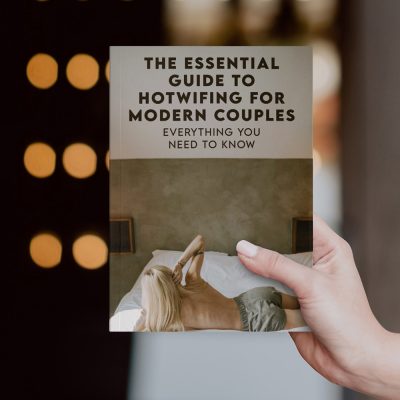
The fantasy is electric. The reality? It can feel like holding a grenade with the pin pulled. That gnawing fear that you might lose her isn't paranoia, it’s a warning. Without a battle-tested strategy, you aren't just exploring; you’re gambling with the most important thing in your life.
The Essential Guide replaces the terrifying unknown with ironclad structure. From managing primal jealousy to setting unbreakable boundaries, we provide the safety manual required to walk through the fire without getting burned. Don't guess. Know.

The fantasy is intoxicating. The reality? It can be terrifying. That sickening drop in your stomach when she leaves isn't just nerves; it's the fear of the unknown threatening everything you’ve built. Don't let vague agreements become grounds for disaster. You need structure before the chaos hits.
The Hotwife Contract Creator transforms your deepest anxieties about safety, emotions, and "going too far" into a rock-solid, signed agreement. Silence the jealousy and lock down your safety net so you can actually survive the thrill.

The fantasy is incredible, but the logistics can tear you apart. That sickening knot of anxiety you feel when she leaves isn't weakness; it's your brain warning you that you're flying without a safety net. Ambiguity is the oxygen that jealousy breathes. Don't let undefined "gray areas" become the reason your marriage implodes.
The Official Hotwife Rules Generator doesn't just list acts; it builds a protective fortress around your relationship. Get the concrete roadmap you need to ensure this high-stakes adventure doesn't turn into a disaster.

The fantasy is intoxicating. The reality? It can be a psychological car crash. That gut-wrenching drop when the bedroom door locks you out isn't just nerves, it’s a warning. 90% of men love the porn but crumble under the visceral weight of actual exclusion and emotional coldness.
This test drags your ego into the harsh light of day. We measure your resilience against the specific triggers that destroy marriages. Are you a true Cuckold or just a Tourist about to self-destruct? Check your ego before you wreck your life.

The fantasy is a rush, but the reality is a razor’s edge. That sickening drop when "humiliation" stops being a game and starts destroying his self-worth isn't a risk. It is the end of your marriage. Confusing "Stag" pride with "Cuckold" degradation is the fastest way to trauma.
This tool drags your hidden desires into the light. Pinpoint exactly where the fun stops and the pain begins, from gentle teasing to hard exclusion. Define your limits now before a misunderstanding becomes a permanent scar.
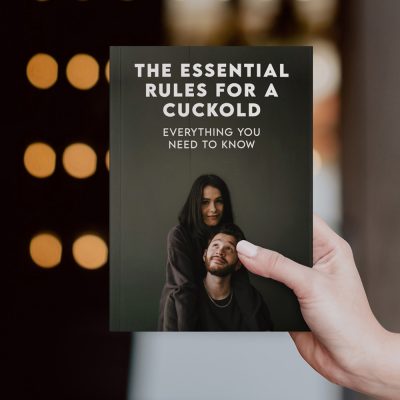
The fantasy is surrender. The reality is often shame that eats you alive. That gut-wrenching drop when the humiliation feels too real isn't part of the game. It is a warning that your psyche is cracking. Without a safety net, you aren't playing. You are traumatizing yourself.
The Essential Rules replaces reckless degradation with calculated intensity. We provide the contracts, vetting protocols, and aftercare scripts needed to explore the edge without falling off. Don't let a scene become a permanent scar.
Who counts as friends or chosen family in this context
Friends are people you would invite to a casual hangout and who share your values or curiosity. Chosen family means people you depend on for support and trust and who would stand by you in tough times. In both cases the goal of disclosure is not to trap people into a decision but to give them context so they can decide how comfortable they are joining your journey. You want people who will respect your boundaries and who can keep private information confidential if that is important to you.
When to disclose and what to share
Timing matters
Disclosures feel safer when you choose a private moment rather than a crowded event. It helps if you can start with a small audience and a calm setting. You can then decide whether to share more broadly later. Some people prefer to introduce the idea during a catch up over coffee or a quiet meal. You want space for questions and for you to answer without feeling rushed or judged.
What to share and what to hold back
Think of disclosure like giving a map not the entire road trip. Share the basics of the dynamic including the fact that you have a negotiated structure with rules. Explain how decisions are made together and how you handle safety and privacy. Do not feel pressured to reveal intimate sexual details about your partner or others. Keep your focus on consent boundaries emotional safety and respect for everyone involved. You decide what seems essential and what can wait for another conversation.
A simple disclosure framework you can use
Start with a short statement that sets the tone. Then add one or two bullets that cover the essentials. Finish with an invitation to ask questions or to take some time to think it over. An example might be
- We are in an ethically non monogamous relationship where my partner has a sexual connection with others with my knowledge and participation in setting the boundaries.
- We have clear rules around safety honesty and communication and we reevaluate these rules regularly.
- We care about how sharing this affects our friends and chosen family and we want to answer any questions you have in a respectful and private way.
How to explain consent and boundaries clearly
Consent is a living conversation not a single talk. Boundaries are the guardrails that keep everyone safe and comfortable. When you describe consent in plain terms you help people understand how you operate. You can say that the couple reviews feelings and comfort levels on a regular schedule and that any new exploration requires mutual agreement. Emphasize that everyone involved has the right to pause or revoke consent at any time. This clarity makes conversations easier and reduces misunderstandings.
Realistic disclosure scenarios
Scenario one a close friend who is curious and open minded
You describe the dynamic in simple terms and invite questions. The friend asks a few practical questions about safety and boundaries and you answer honestly. The friend shares that they support your happiness and asks if you would like tips on handling social life boundaries. You appreciate the support and you leave space for future check ins. The conversation ends with a plan to catch up again soon.
Scenario two a relative who is traditional or cautious
With this person you keep the explanation short and focused on consent and safety. You avoid graphic details and you emphasize that this is a personal choice that does not affect their relationship with you or your partner. If the person expresses discomfort you acknowledge it and offer to revisit the topic later or to share more information only if they feel ready.
Scenario three a friend who asks for intimate details
You set a boundary gently but firmly. You can say that you value their privacy and that you keep intimate details private out of respect for all people involved. If the person is persistent you can offer to share how you and your partner stay safe and maintain communication but decline specific sexual tales. It is okay to protect privacy without making the other person feel excluded.
Scenario four a group setting with pressure to reveal more
In a group you can acknowledge the curiosity but steer the conversation back to boundaries and consent. You can say that the topic is personal and you prefer one on one discussions if anyone wants to learn more. You can offer resources such as reputable books or online explanations about ethically non monogamous relationships to anyone who wants to learn more.
Handling jealousy and emotional reactions when disclosing
Jealousy is common even among couples who share a strong partnership. When you disclose you may see a range of emotions including surprise concern confusion and support. The key is to listen without defensiveness. Acknowledge the emotion and offer reassurance about safety and care. If someone expresses worry you can talk about how you handle risk safety testing and communication. Compersion is a helpful idea to describe the positive feelings you aim to cultivate when a partner shares joy with someone else. It takes time and care to develop but it is a useful frame for some people to adopt.
The fantasy is electric. The reality? It can feel like holding a grenade with the pin pulled. That gnawing fear that you might lose her isn't paranoia, it’s a warning. Without a battle-tested strategy, you aren't just exploring; you’re gambling with the most important thing in your life.
The Essential Guide replaces the terrifying unknown with ironclad structure. From managing primal jealousy to setting unbreakable boundaries, we provide the safety manual required to walk through the fire without getting burned. Don't guess. Know.
The fantasy is intoxicating. The reality? It can be terrifying. That sickening drop in your stomach when she leaves isn't just nerves; it's the fear of the unknown threatening everything you’ve built. Don't let vague agreements become grounds for disaster. You need structure before the chaos hits.
The Hotwife Contract Creator transforms your deepest anxieties about safety, emotions, and "going too far" into a rock-solid, signed agreement. Silence the jealousy and lock down your safety net so you can actually survive the thrill.
The fantasy is incredible, but the logistics can tear you apart. That sickening knot of anxiety you feel when she leaves isn't weakness; it's your brain warning you that you're flying without a safety net. Ambiguity is the oxygen that jealousy breathes. Don't let undefined "gray areas" become the reason your marriage implodes.
The Official Hotwife Rules Generator doesn't just list acts; it builds a protective fortress around your relationship. Get the concrete roadmap you need to ensure this high-stakes adventure doesn't turn into a disaster.
The fantasy is intoxicating. The reality? It can be a psychological car crash. That gut-wrenching drop when the bedroom door locks you out isn't just nerves, it’s a warning. 90% of men love the porn but crumble under the visceral weight of actual exclusion and emotional coldness.
This test drags your ego into the harsh light of day. We measure your resilience against the specific triggers that destroy marriages. Are you a true Cuckold or just a Tourist about to self-destruct? Check your ego before you wreck your life.
The fantasy is a rush, but the reality is a razor’s edge. That sickening drop when "humiliation" stops being a game and starts destroying his self-worth isn't a risk. It is the end of your marriage. Confusing "Stag" pride with "Cuckold" degradation is the fastest way to trauma.
This tool drags your hidden desires into the light. Pinpoint exactly where the fun stops and the pain begins, from gentle teasing to hard exclusion. Define your limits now before a misunderstanding becomes a permanent scar.
The fantasy is surrender. The reality is often shame that eats you alive. That gut-wrenching drop when the humiliation feels too real isn't part of the game. It is a warning that your psyche is cracking. Without a safety net, you aren't playing. You are traumatizing yourself.
The Essential Rules replaces reckless degradation with calculated intensity. We provide the contracts, vetting protocols, and aftercare scripts needed to explore the edge without falling off. Don't let a scene become a permanent scar.
Maintaining relationships after disclosure
After you tell someone you want to monitor how the relationship evolves. Check in on how comfortable they feel with future discussions. If someone asks for boundaries on what is discussed you can respect that boundary and be careful about topics you share. It is possible to maintain friendship while protecting your own privacy. The goal is to build trust and to create space for honest conversations about feelings as a couple s journey continues. If a friend or chosen family member struggles to adapt you can offer to connect them with resources that explain ethical non monogamy in a respectful and non confrontational way.
Practical tips for disclosure
- Choose the setting pick a quiet place where you can talk without interruptions and where you both feel safe sharing.
- Be concise begin with a simple core message and then answer questions if asked.
- Use plain language avoid jargon unless you explain it. This helps people understand faster.
- Be prepared for pushback some people may react with surprise or concern. Acknowledge their feelings and offer to revisit the topic later.
- Provide optional resources suggest a book or a trusted article for those who want to learn more without pressuring them to accept your choices.
- Protect privacy share only what you feel comfortable with and avoid exposing private sexual details about others.
- Invite questions let people ask and take their time to respond without rushing your answers.
- Respect boundaries if someone asks you not to discuss certain topics with them respect that boundary and adjust your future conversations accordingly.
What to share and what to keep private
Think of your disclosure as a balance between helpful information and personal privacy. You want enough detail for someone to understand the dynamic and why it matters to you. You want to avoid intimate sexual details about others who are not part of your immediate circle. A common approach is to talk about consent rules safety practices communication rituals and how decisions are made as a couple. If someone asks for details you can offer high level information and invite them to ask questions in a private setting at a later time. You can also propose to share learning resources that explain the concept without revealing intimate material.
Maintaining privacy and safety online and offline
Some disclosures involve social media or group chats. When you reveal your dynamic online you should consider what is appropriate to share publicly. You can keep a private circle of trusted friends separate from public posts. If you decide to share online post with care and include a reminder that you respect privacy and that details are kept discreet. When you disclose in person you can tell people you will not discuss specifics with others who are not part of your immediate trusted circle. The aim is to protect the wellbeing of all involved including people who remain in your life long after the initial disclosure.
Realistic myths and how to handle them
- Myth This means you are unfaithful or reckless. Reality It is a negotiated structure built on consent safety and ongoing communication.
- Myth If someone is not supportive they must be a bad friend. Reality People have a right to their own boundaries and you can choose to keep the relationship alive in a limited way or to part ways with that dynamic if needed.
- Myth Disclosure ends privacy. Reality You can share enough to be understood while still protecting private details you do not want to reveal.
Discussing safety and health
Health and safety are essential parts of ethical non monogamy. You should be comfortable talking about STI testing frequency condom use and how you protect all partners. Describe your mutual agreement about testing how you handle new partners and how you approach risk management. People appreciate transparent plans that show you take care of each other as a couple and as individuals. If someone asks a practical question about safety you can share your general approach and offer to provide more detail to those who require it for their own peace of mind.
Scripts you can adapt for conversations
Use these scripts as a starting point and tailor them to your voice and your relationship. The aim is to be honest clear and compassionate.
Opening line for a supportive friend
"Hey we have something important and personal to share with you. We value you as a friend and want you to understand our relationship style so you feel included in our lives."
Follow up with one sentence about the dynamic
"We are in an ethically non monogamous setup where my partner has sexual experiences with others with my knowledge and agreement."
Concluding invite
"If you want to learn more we can share a couple of resources and we can answer questions later when you are ready."
Glossary of useful terms and acronyms
- Hotwife A wife or female partner who has sexual experiences with other men outside the primary relationship with the partner s knowledge.
- ENM Ethically non monogamous a term used for relationships where all parties consent to more than one romantic or sexual connection.
- Primary partner The partner who holds the central relationship in the dynamic.
- Boundaries The agreed limits on what is allowed or not allowed and how information is shared with others.
- Consent Ongoing and enthusiastic agreement from everyone involved about actions and disclosures.
- Chosen family People who are not related by blood but who provide care and support like a family would.
- Privacy Keeping certain details confidential to protect the wellbeing of all involved.
- Transparency Sharing enough information so others understand your choices and feel respected.
- Jealousy An emotion that can arise when someone feels left out or insecure about a partner s connection with others.
Frequently asked questions
How do I start the disclosure to friends or chosen family
Choose a private time and place and begin with a clear gentle statement. Explain that you want to share something personal and why you are bringing it up. Keep it simple and invite questions after you have spoken the basics.
What information should I share about the hotwife ENM dynamic
Share the core structure who is involved what boundaries are in place and how you handle safety and privacy. You do not need to share intimate details about sexual experiences. Focus on consent boundaries communication and emotional care.
How do I explain consent and boundaries
Describe consent as an ongoing conversation that can be paused or changed at any time. Boundaries are agreed lines that protect everyone s feelings and safety. Emphasize that boundaries can be updated as feelings change and as situations evolve.
How do I handle a friend who reacts with judgment
Listen to their concerns acknowledge their feelings and reaffirm your reasons for choosing this path. Offer to share learning resources if they want to understand better. If the response is not respectful you can choose to limit discussions about the topic or to pause the relationship until trust is rebuilt.
Should I disclose to chosen family before or after close friends
There is no right order. Many people start with someone they trust to gauge how well the topic lands and then expand gradually. If you expect a stronger reaction from certain family members you may choose to proceed with a smaller audience first or to provide written materials in addition to spoken conversation.
How much detail is appropriate
Give enough detail so the concept is understood and so your boundaries and health practices are clear. Avoid sharing intimate sexual specifics about other people. Focus on the dynamic and the care you take to keep everyone safe and respected.
What if there are kids in the family or around
Keep the disclosure private from children and from any situation where a young person might overhear or misinterpret. You can share information that is appropriate for adults and reserve child oriented details for another time. In general you want to protect kids from information that is not relevant to their wellbeing.
How can I protect privacy online and offline
Use private channels for sensitive information and avoid public posts. Think about who needs to know and who can keep information confidential. When in doubt share less rather than more and offer to provide written materials that explain the concept without revealing intimacy.
Can I provide resources for friends who want to learn more
Yes. Point them to reputable books articles and online guides that cover ethically non monogamous relationships in a respectful way. Offer to discuss the material yourself after they have had a chance to read it so you can answer questions in a calm and supportive setting.
Is disclosure a one time event or an ongoing process
Disclosures are ongoing. You should expect conversations to occur as people learn more about your dynamic and as life events change. Check in with friends and chosen family over time to see if they have new questions or concerns and adjust your communication as needed.
The fantasy is electric. The reality? It can feel like holding a grenade with the pin pulled. That gnawing fear that you might lose her isn't paranoia, it’s a warning. Without a battle-tested strategy, you aren't just exploring; you’re gambling with the most important thing in your life.
The Essential Guide replaces the terrifying unknown with ironclad structure. From managing primal jealousy to setting unbreakable boundaries, we provide the safety manual required to walk through the fire without getting burned. Don't guess. Know.
The fantasy is intoxicating. The reality? It can be terrifying. That sickening drop in your stomach when she leaves isn't just nerves; it's the fear of the unknown threatening everything you’ve built. Don't let vague agreements become grounds for disaster. You need structure before the chaos hits.
The Hotwife Contract Creator transforms your deepest anxieties about safety, emotions, and "going too far" into a rock-solid, signed agreement. Silence the jealousy and lock down your safety net so you can actually survive the thrill.
The fantasy is incredible, but the logistics can tear you apart. That sickening knot of anxiety you feel when she leaves isn't weakness; it's your brain warning you that you're flying without a safety net. Ambiguity is the oxygen that jealousy breathes. Don't let undefined "gray areas" become the reason your marriage implodes.
The Official Hotwife Rules Generator doesn't just list acts; it builds a protective fortress around your relationship. Get the concrete roadmap you need to ensure this high-stakes adventure doesn't turn into a disaster.
The fantasy is intoxicating. The reality? It can be a psychological car crash. That gut-wrenching drop when the bedroom door locks you out isn't just nerves, it’s a warning. 90% of men love the porn but crumble under the visceral weight of actual exclusion and emotional coldness.
This test drags your ego into the harsh light of day. We measure your resilience against the specific triggers that destroy marriages. Are you a true Cuckold or just a Tourist about to self-destruct? Check your ego before you wreck your life.
The fantasy is a rush, but the reality is a razor’s edge. That sickening drop when "humiliation" stops being a game and starts destroying his self-worth isn't a risk. It is the end of your marriage. Confusing "Stag" pride with "Cuckold" degradation is the fastest way to trauma.
This tool drags your hidden desires into the light. Pinpoint exactly where the fun stops and the pain begins, from gentle teasing to hard exclusion. Define your limits now before a misunderstanding becomes a permanent scar.
The fantasy is surrender. The reality is often shame that eats you alive. That gut-wrenching drop when the humiliation feels too real isn't part of the game. It is a warning that your psyche is cracking. Without a safety net, you aren't playing. You are traumatizing yourself.
The Essential Rules replaces reckless degradation with calculated intensity. We provide the contracts, vetting protocols, and aftercare scripts needed to explore the edge without falling off. Don't let a scene become a permanent scar.
