
Emotional Regulation Skills


Welcome to a deep dive on emotional regulation tailored for the hotwife ethically non monogamous dynamic. If you are exploring or living this lifestyle, you know beautiful moments can come with powerful feelings. Anger, insecurity, jealousy, longing, fear of judgment all show up like unexpected guests. The good news is emotional regulation is a set of skills you can learn and practice. This guide lays out practical tools, real world scenarios, and clear explanations of terms so you can navigate hotwife ENM with more ease, clarity and a lot less drama.
Quick Links to Useful Sections
- Who this guide is for
- What is emotional regulation
- Key terms and acronyms you should know
- Why emotional regulation matters in hotwife ENM
- The core emotional landscape in hotwife ENM
- Foundational skills for emotional regulation
- 1. Mindfulness and awareness
- 2. Cognitive re framing
- 3. Time outs and pause rituals
- 4. Distress tolerance
- 5. Self compassion and internal voice
- Practical tools you can use before during and after ENM experiences
- Pre play check in
- In the moment regulation
- Post play debrief
- Long term self care routines
- Realistic scenarios and how to regulate
- Scenario 1: Your hotwife partner begins dating someone new
- Scenario 2: You are left feeling unseen during a group date
- Scenario 3: You fear gossip or negative judgment from friends
- Scenario 4: You feel overwhelmed by sexual content or explicit messages
- Scenario 5: You experience fear about consent or boundary violations
- Boundaries and consent in hotwife ENM and how they support regulation
- Communication strategies to express needs without blame
- Self care and long term relationship health
- Practical tips and a starter plan
- Glossary of useful terms and acronyms
- Frequently asked questions
Who this guide is for
This guide is for anyone who is curious about or currently engaged in the hotwife ENM dynamic. If you are the partner who supports her adventures, a person who has a hotwife partner, or someone curious about the space you will learn practical ways to stay centered. We break down terms you may hear and the kinds of emotions you might feel so you can respond with intention rather than reaction.
What is emotional regulation
Emotional regulation is the ability to manage your emotional responses in a way that helps you stay aligned with your goals and values. It is not about suppressing feelings or pretending everything is okay. It is about noticing what you feel, understanding why you feel it, choosing a constructive response and following through with it. In the hotwife ENM world this looks like recognizing jealousy without acting on it in hurtful ways, communicating your needs clearly, and maintaining trust while exploring new experiences.
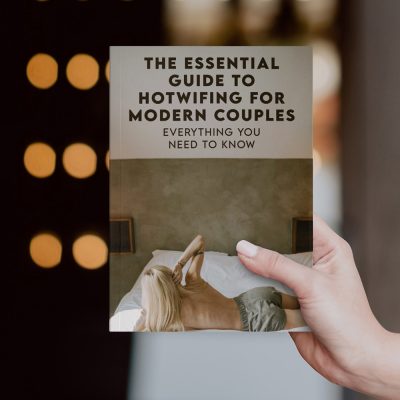
The fantasy is electric. The reality? It can feel like holding a grenade with the pin pulled. That gnawing fear that you might lose her isn't paranoia, it’s a warning. Without a battle-tested strategy, you aren't just exploring; you’re gambling with the most important thing in your life.
The Essential Guide replaces the terrifying unknown with ironclad structure. From managing primal jealousy to setting unbreakable boundaries, we provide the safety manual required to walk through the fire without getting burned. Don't guess. Know.

The fantasy is intoxicating. The reality? It can be terrifying. That sickening drop in your stomach when she leaves isn't just nerves; it's the fear of the unknown threatening everything you’ve built. Don't let vague agreements become grounds for disaster. You need structure before the chaos hits.
The Hotwife Contract Creator transforms your deepest anxieties about safety, emotions, and "going too far" into a rock-solid, signed agreement. Silence the jealousy and lock down your safety net so you can actually survive the thrill.
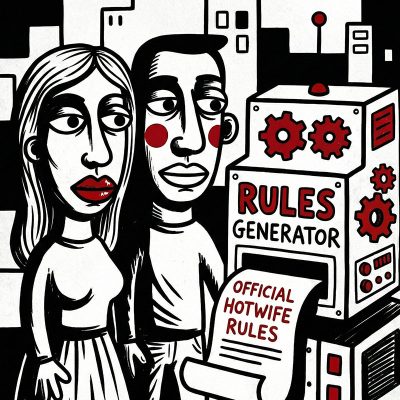
The fantasy is incredible, but the logistics can tear you apart. That sickening knot of anxiety you feel when she leaves isn't weakness; it's your brain warning you that you're flying without a safety net. Ambiguity is the oxygen that jealousy breathes. Don't let undefined "gray areas" become the reason your marriage implodes.
The Official Hotwife Rules Generator doesn't just list acts; it builds a protective fortress around your relationship. Get the concrete roadmap you need to ensure this high-stakes adventure doesn't turn into a disaster.

The fantasy is intoxicating. The reality? It can be a psychological car crash. That gut-wrenching drop when the bedroom door locks you out isn't just nerves, it’s a warning. 90% of men love the porn but crumble under the visceral weight of actual exclusion and emotional coldness.
This test drags your ego into the harsh light of day. We measure your resilience against the specific triggers that destroy marriages. Are you a true Cuckold or just a Tourist about to self-destruct? Check your ego before you wreck your life.

The fantasy is a rush, but the reality is a razor’s edge. That sickening drop when "humiliation" stops being a game and starts destroying his self-worth isn't a risk. It is the end of your marriage. Confusing "Stag" pride with "Cuckold" degradation is the fastest way to trauma.
This tool drags your hidden desires into the light. Pinpoint exactly where the fun stops and the pain begins, from gentle teasing to hard exclusion. Define your limits now before a misunderstanding becomes a permanent scar.
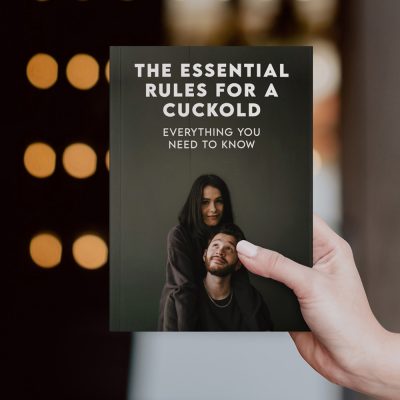
The fantasy is surrender. The reality is often shame that eats you alive. That gut-wrenching drop when the humiliation feels too real isn't part of the game. It is a warning that your psyche is cracking. Without a safety net, you aren't playing. You are traumatizing yourself.
The Essential Rules replaces reckless degradation with calculated intensity. We provide the contracts, vetting protocols, and aftercare scripts needed to explore the edge without falling off. Don't let a scene become a permanent scar.
Key terms and acronyms you should know
- ENM Ethically non monogamous. A relationship style where all adults consent to non monogamous experiences and discuss boundaries openly.
- Hotwife A term used in some ENM communities describing a wife or primary partner who has sexual experiences with others with her partner's knowledge and consent.
- Cuckold A term used in some dynamics to describe the male partner who consents to or enjoys the partner's sexual experiences with others. Not every group uses this label and many avoid it altogether.
- Compersion Feeling joy when your partner experiences happiness or pleasure with someone else. It is the opposite of jealousy and a sign of healthy regulation.
- Boundaries Agreements about what is allowed, what is not, and how to handle sensitive topics before, during and after experiences.
- Consent A clear, ongoing agreement to participate in activities with a partner. Consent can be withdrawn at any time and should be respected without pressure.
- Triggers Situations or cues that provoke intense emotional reactions. Recognizing triggers helps you regulate your responses.
- RACI method A quick step by step plan for responses consisting of Recognize, Assess, Choose, Implement. Handy for in the moment work.
- Self care Activities and routines that restore energy and emotional balance, making it easier to regulate reactions.
- Aftercare Post activity check ins and emotional processing that help partners reconnect and reset after a scene or date.
Why emotional regulation matters in hotwife ENM
In the hotwife dynamic emotions can move quickly from curiosity to fear to joy. Regulation helps you stay in the driver seat rather than being carried along by strong feelings. When you regulate well you can communicate more effectively, negotiate boundaries with confidence, and maintain trust even when your partner is dating someone new. It is not about eliminating desire or jealousy entirely. It is about noticing what you feel, naming it, choosing an appropriate response and following through with that choice. This leads to stronger intimacy and a more sustainable dynamic overall.
The core emotional landscape in hotwife ENM
Here are some emotions you will likely encounter and practical ways to regulate them:
- Jealousy A natural response to perceived threats or comparison. Regulation involves naming the feeling, examining its source, and choosing a constructive action such as a calm conversation or an agreed boundary tweak.
- Insecurity Doubts about worth or desirability. Regulation focuses on evidence based thinking, self compassion and seeking reassurance in healthy ways rather than spiraling.
- Fear of judgment Anxiety about what others think. Regulation includes grounding in values, limiting exposure to negative feeds and focusing on personal choices that align with agreed boundaries.
- Longing Wishing for more connection or time. Regulation invites honest conversations about needs and practical scheduling that honors both partners.
- Guilt or shame Cultural or personal messages about what is acceptable. Regulation means reframing these feelings as data about boundaries and values rather than personal flaws.
Foundational skills for emotional regulation
Think of these as the toolbox you reach for before during and after ENM experiences. You can practice these skills in small daily moments so they feel natural when a hotter moment arrives.
1. Mindfulness and awareness
Mindfulness means paying attention to what you feel and what is happening around you without judging it. Begin with a simple practice: a two minute check in each morning. Sit with your breath and notice any sensations in your body. Name what you notice without analysis. This builds a baseline you can rely on when emotions spike during an date or after an social interaction.
2. Cognitive re framing
Cognitive re framing is about shifting your perspective to reduce the emotional charge. If you think a date means you are not enough, re frame by listing evidence that supports your value and by reminding yourself that consent and choice are negotiated realities in ENM. This practice strengthens belief in yourself and reduces the sting of negative comparisons.
3. Time outs and pause rituals
Give yourself permission to pause when emotions intensify. A quick six to ten minute break can prevent impulsive reactions. A ritual could be stepping outside for a breath, texting a trusted friend for support or jotting a note about what you feel and what you need before continuing the conversation.
4. Distress tolerance
Distress tolerance is the ability to withstand uncomfortable emotions without making things worse. Techniques include slow paced breathing, grounding exercises like noticing five things you can see feel hear and smell, and grounding in the present moment rather than ruminating on past interactions.
5. Self compassion and internal voice
Be kind to yourself. Use an internal voice that mirrors how you would support a good friend in a tough moment. Replace harsh self judgement with calm, hopeful language and remind yourself that your feelings are valid and that you can navigate them with care.
Practical tools you can use before during and after ENM experiences
Below are concrete routines you can adopt. Each tool is designed to be simple and repeatable so you can practice without extra stress.
Pre play check in
Before any event where your hotwife partner may be dating or seeing someone else run a pre play check in. This is a brief alignment to reduce surprises and set emotional guardrails. Use a quick script like this:
- “Here is what I need today to feel safe and connected.”
- “What are the boundaries we are both comfortable with for this experience?”
- “If one of us starts to feel overwhelmed how should we pause and regroup?”
Having this check in creates a shared map that both partners can reference when emotions rise.
In the moment regulation
During a date or encounter use the following steps:
- Pause and name the emotion. For example say to yourself I am feeling jealous and that is okay.
- Assess the source. Is the trigger about time, attention or a boundary? This helps you decide what to do next.
- Choose a constructive action. Options include taking a short break, sending a calm message, requesting a check in after the encounter, or practicing a grounding exercise on the spot.
- Implement and revisit. After acting choose to revisit the response with your partner to improve future experiences.
Post play debrief
After care is a critical part of regulation. A debrief helps both partners process what happened and reinforce the trust between you. A good debrief includes:
- What went well and what could be better next time
- Specific moments that triggered feelings and how you managed them
- Adjustments to boundaries or communication for the next experience
- Affirmations about care and connection
Long term self care routines
Regulation is easier when you take care of yourself overall. Consider these habits:
- Regular sleep and consistent routines
- Balanced nutrition and physical activity that you enjoy
- Social connections outside of ENM so your sense of self remains robust
- Creative outlets to process feelings such as journaling or art
- Therapy or coaching focused on relationships and regulation skills if needed
Realistic scenarios and how to regulate
Seeing how these skills apply in real life helps. Here are some scenarios you might encounter in hotwife ENM and practical regulation strategies for each.
Scenario 1: Your hotwife partner begins dating someone new
The moment a new partner enters the circle you may notice a spike in insecurity or jealousy. Use your pre play check in if you have one. If not, start with a quick grounding exercise to reduce the immediate intensity. Identify the trigger. Is it a fear of losing closeness, or a worry about social judgment? Then choose your response. You might ask for a scheduled check in after the first few dates, request a shared update text so you feel connected, or arrange a simple grounding routine for moments when you feel overwhelmed.
Scenario 2: You are left feeling unseen during a group date
Group dates can amplify feelings because attention is spread around. Use cognitive re framing. Remind yourself that your partner can hold multiple connections and still value you. Schedule time alone with your partner after the date to share feelings, then practice a calming technique like a five minute breathing exercise before bed. If patterns emerge, revisit boundaries and fair distribution of energy and time.
Scenario 3: You fear gossip or negative judgment from friends
Social circles can add pressure. Ground yourself in values and practice compassionate communication with your partner about how much you want to share and with whom. Consider a boundary around what details you discuss publicly and with which people. This reduces risk to your emotional safety and helps you regulate through social stress.
Scenario 4: You feel overwhelmed by sexual content or explicit messages
Explicit content can be stimulating but also triggering when it touches insecurity. Use the pause ritual, step away briefly, and discuss with your partner what content feels comfortable to talk about or view. Create a content plan that respects boundaries while keeping the romance and trust alive.
Scenario 5: You experience fear about consent or boundary violations
Consent is the backbone of ENM. If you feel uncertain or unsafe, pause and reassess with your partner. Revisit the consent language and boundaries and consider a more structured framework for future experiences. Trust grows when transparency and safety are prioritized over fear.
Boundaries and consent in hotwife ENM and how they support regulation
Healthy boundaries and explicit consent reduce emotional load and give you a framework to regulate. They act like a map that guides your responses when emotions heat up. Here is how to implement strong boundaries and consent in practice:
- Create explicit consent language that covers what activities are allowed, with whom, where, and for how long
- Agree on safe words or signals for pausing or stopping an encounter
- Define aftercare expectations so you can reconnect emotionally after an event
- Routine check ins to review and adjust boundaries as the relationship evolves
Communication strategies to express needs without blame
Healthy regulation thrives on clear, non accusatory communication. Use statement frames that reflect your needs and share your feelings without making accusations. Try these templates and adjust to your voice:
- “I feel [emotion] when [situation] because [reason]. I would prefer [specific request].”
- “I want us to talk about [topic] so we can feel secure and connected.”
- “What would help me today is [request], and I am open to hearing what helps you as well.”
Practice these phrases in low stress moments so they roll off the tongue during high intensity moments. The goal is to align on needs while honoring the autonomy of your partner and the feelings you experience.
Self care and long term relationship health
Regulation is a long game. When you invest in your own wellbeing and in your relationship you create a stronger foundation that resists stress and friction. Consider integrating a weekly cadence of connection, boundaries review and personal stress management activities. This could include date nights with no ENM talk, shared hobbies, or a simple digital detox in the evenings. The more you tend to your overall wellbeing, the easier it becomes to regulate emotions when ENM dynamics intensify.
Practical tips and a starter plan
Here is a practical starter plan you can implement over the next four weeks to build your regulation muscles. Adapt to fit your pace and your relationship dynamic.
Start daily 5 minute mindfulness practice. Create a simple boundary map with your partner and write it down. Practice one cognitive re framing exercise each day. - Week 2: Establish a pre play check in routine for upcoming experiences. Add a quick post play debrief. Practice two grounding techniques you like for in the moment regulation.
- Week 3: Introduce a scheduled weekly check in where you discuss feelings, needs and boundary adjustments. Add aftercare rituals that suit both partners.
- Week 4: Create a personal self care plan that includes sleep, nutrition and movement. Work with your partner on a long term boundary review and plan ahead for future events.
Glossary of useful terms and acronyms
- ENM Ethically non monogamous, a relationship style centered on consent and open communication.
- Hotwife A wife or primary partner who pursues sexual experiences with others with the knowledge and consent of her partner.
- Cuckold A term used by some communities to describe the male partner who consents to or enjoys his partner s experiences with others. Alternatives are common depending on the community.
- Compersion Feeling joy from your partner s happiness with someone else. A sign of healthy emotional regulation in ENM.
- Boundaries Clearly defined rules and limits agreed upon by all involved to protect emotional safety and relationships.
- Consent Clear permission given freely by all parties, with ongoing reassessment as needed.
- Triggers Situations or cues that provoke a strong emotional reaction. Recognizing triggers is the first step to regulating them.
- Aftercare The intentional time spent after an encounter to connect, address feelings and reinforce trust.
- Self care Personal routines that restore energy and emotional balance and support healthy responses.
Frequently asked questions
The fantasy is electric. The reality? It can feel like holding a grenade with the pin pulled. That gnawing fear that you might lose her isn't paranoia, it’s a warning. Without a battle-tested strategy, you aren't just exploring; you’re gambling with the most important thing in your life.
The Essential Guide replaces the terrifying unknown with ironclad structure. From managing primal jealousy to setting unbreakable boundaries, we provide the safety manual required to walk through the fire without getting burned. Don't guess. Know.
The fantasy is intoxicating. The reality? It can be terrifying. That sickening drop in your stomach when she leaves isn't just nerves; it's the fear of the unknown threatening everything you’ve built. Don't let vague agreements become grounds for disaster. You need structure before the chaos hits.
The Hotwife Contract Creator transforms your deepest anxieties about safety, emotions, and "going too far" into a rock-solid, signed agreement. Silence the jealousy and lock down your safety net so you can actually survive the thrill.
The fantasy is incredible, but the logistics can tear you apart. That sickening knot of anxiety you feel when she leaves isn't weakness; it's your brain warning you that you're flying without a safety net. Ambiguity is the oxygen that jealousy breathes. Don't let undefined "gray areas" become the reason your marriage implodes.
The Official Hotwife Rules Generator doesn't just list acts; it builds a protective fortress around your relationship. Get the concrete roadmap you need to ensure this high-stakes adventure doesn't turn into a disaster.
The fantasy is intoxicating. The reality? It can be a psychological car crash. That gut-wrenching drop when the bedroom door locks you out isn't just nerves, it’s a warning. 90% of men love the porn but crumble under the visceral weight of actual exclusion and emotional coldness.
This test drags your ego into the harsh light of day. We measure your resilience against the specific triggers that destroy marriages. Are you a true Cuckold or just a Tourist about to self-destruct? Check your ego before you wreck your life.
The fantasy is a rush, but the reality is a razor’s edge. That sickening drop when "humiliation" stops being a game and starts destroying his self-worth isn't a risk. It is the end of your marriage. Confusing "Stag" pride with "Cuckold" degradation is the fastest way to trauma.
This tool drags your hidden desires into the light. Pinpoint exactly where the fun stops and the pain begins, from gentle teasing to hard exclusion. Define your limits now before a misunderstanding becomes a permanent scar.
The fantasy is surrender. The reality is often shame that eats you alive. That gut-wrenching drop when the humiliation feels too real isn't part of the game. It is a warning that your psyche is cracking. Without a safety net, you aren't playing. You are traumatizing yourself.
The Essential Rules replaces reckless degradation with calculated intensity. We provide the contracts, vetting protocols, and aftercare scripts needed to explore the edge without falling off. Don't let a scene become a permanent scar.
