
Energy Management and Burnout Prevention

Welcome to a pragmatic guide that treats energy like currency in the world of Ethical Non Monogamy or ENM. If you are exploring a hotwife dynamic you know that excitement comes with a twist. The thrill of dating or connecting with others can be electric but it can also drain you fast. The goal here is to help you keep the spark alive without burning out. Think of this as a balanced playbook for managing feelings, time, and boundaries in a way that feels fair to you and your partner or partners. We break down practical steps, real life scenarios and tools you can use starting today.
Quick Links to Useful Sections
- What is the hotwife ENM dynamic and why energy matters
- Clear terms and acronyms you might hear
- Why burnout happens in hotwife ENM lifestyle setups
- Thinking about energy as a budget
- Signs that burnout may be creeping in
- Building an energy management framework that works for hotwife ENM
- Step 1. Audit your energy sources and drains
- Step 2. Set and negotiate boundaries with clarity
- Step 3. Create a balanced schedule with built in recovery blocks
- Step 4. Delegate emotional labor and widen your support circle
- Step 5. Prioritize self care and consistent recovery rituals
- Communication strategies that keep energy intact
- Nonviolent Communication makes space for honesty
- Regular check ins that respect energy levels
- Handling jealousy and nurturing compersion
- Practical tools you can use today
- Boundary worksheet
- Energy log template
- Consent and safety kit
- Realistic scenarios and how energy management helps
- Scenario one a couple inviting a new partner into the orbit
- Scenario two long distance ENM with a hotwife partner
- Scenario three a busy season at work that drains emotional energy
- Mistakes to avoid and how to fix them
- When to seek support or adjust the dynamic
- Resources and communities you might find helpful
- Glossary of useful terms and acronyms
- Frequently asked questions
What is the hotwife ENM dynamic and why energy matters
First things first let us name terms so you are never left guessing. Ethical Non Monogamy is a relationship style in which partners agree to have romantic or sexual connections outside the primary relationship while respecting consent and agreed boundaries. A hotwife is typically a woman in a committed relationship who enjoys or explores sexual experiences with others with her partner s knowledge and approval. The dynamic may include a variety of arrangements and it shifts from couple to couple. The key ingredient is consent clear communication and ongoing negotiation.
In a hotwife ENM setup energy is a real resource. Your emotional mental and physical reserves get spent and replenished in different ways. It can feel thrilling when a date goes well it can also feel heavy when jealousy or miscommunication shows up. The goal is to keep your energy budget balanced so you are not running on empty. When energy runs low burnout can creep in and that reduces pleasure connection and overall well being. The good news is that with simple structures you can protect your energy and still enjoy a rich ENM life.
Clear terms and acronyms you might hear
- ENM Ethical Non Monogamy a relationship style where more than two people are involved with consent and clear agreements.
- Hotwife A woman in a committed relationship who engages sexually with others with the knowledge and consent of her partner or partners.
- Compersion The feeling of joy or pleasure from seeing a partner enjoy someone else s company.
- Jealousy work The process of acknowledging jealousy and turning it into useful information and growth.
- Boundaries Limits and expectations set by partners about what is allowed and what is not in terms of time space and types of interactions.
- Energy budget A practical way to track emotional mental and physical energy and how it is spent across activities.
- Consent A clear and enthusiastic agreement to participate in a specific activity or dynamic.
- Safety plan Steps that protect physical and emotional safety including sexual health practices and communication protocols.
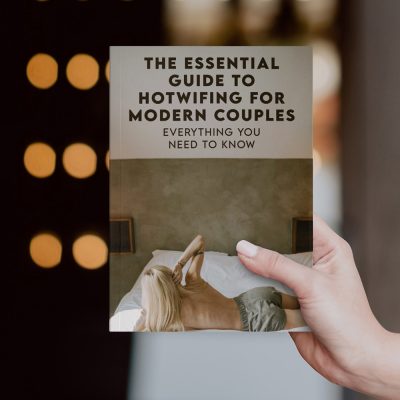
The fantasy is electric. The reality? It can feel like holding a grenade with the pin pulled. That gnawing fear that you might lose her isn't paranoia, it’s a warning. Without a battle-tested strategy, you aren't just exploring; you’re gambling with the most important thing in your life.
The Essential Guide replaces the terrifying unknown with ironclad structure. From managing primal jealousy to setting unbreakable boundaries, we provide the safety manual required to walk through the fire without getting burned. Don't guess. Know.

The fantasy is intoxicating. The reality? It can be terrifying. That sickening drop in your stomach when she leaves isn't just nerves; it's the fear of the unknown threatening everything you’ve built. Don't let vague agreements become grounds for disaster. You need structure before the chaos hits.
The Hotwife Contract Creator transforms your deepest anxieties about safety, emotions, and "going too far" into a rock-solid, signed agreement. Silence the jealousy and lock down your safety net so you can actually survive the thrill.

The fantasy is incredible, but the logistics can tear you apart. That sickening knot of anxiety you feel when she leaves isn't weakness; it's your brain warning you that you're flying without a safety net. Ambiguity is the oxygen that jealousy breathes. Don't let undefined "gray areas" become the reason your marriage implodes.
The Official Hotwife Rules Generator doesn't just list acts; it builds a protective fortress around your relationship. Get the concrete roadmap you need to ensure this high-stakes adventure doesn't turn into a disaster.

The fantasy is intoxicating. The reality? It can be a psychological car crash. That gut-wrenching drop when the bedroom door locks you out isn't just nerves, it’s a warning. 90% of men love the porn but crumble under the visceral weight of actual exclusion and emotional coldness.
This test drags your ego into the harsh light of day. We measure your resilience against the specific triggers that destroy marriages. Are you a true Cuckold or just a Tourist about to self-destruct? Check your ego before you wreck your life.

The fantasy is a rush, but the reality is a razor’s edge. That sickening drop when "humiliation" stops being a game and starts destroying his self-worth isn't a risk. It is the end of your marriage. Confusing "Stag" pride with "Cuckold" degradation is the fastest way to trauma.
This tool drags your hidden desires into the light. Pinpoint exactly where the fun stops and the pain begins, from gentle teasing to hard exclusion. Define your limits now before a misunderstanding becomes a permanent scar.

The fantasy is surrender. The reality is often shame that eats you alive. That gut-wrenching drop when the humiliation feels too real isn't part of the game. It is a warning that your psyche is cracking. Without a safety net, you aren't playing. You are traumatizing yourself.
The Essential Rules replaces reckless degradation with calculated intensity. We provide the contracts, vetting protocols, and aftercare scripts needed to explore the edge without falling off. Don't let a scene become a permanent scar.
Why burnout happens in hotwife ENM lifestyle setups
Burnout in any relationship style usually shows up as fatigue irritability decline in interest and exhaustion. In a hotwife ENM dynamic the risk factors combine romance logistics with emotional labor. Here are the big culprits you want to watch for:
- Constant switching between roles you play inside the primary relationship and roles you play with others this can feel like energy debt.
- Unclear boundaries leading to over sharing or surprises that catch you off guard and drain you emotionally.
- Chores scheduling and logistical planning that never ends especially if you are juggling work family and multiple dates or meetups.
- Supply of jealousy triggers not just from a partner s experiences but from your own inner voice and past experiences.
- Pressure to perform emotionally keep the mood positive and maintain connection across several relationships which can feel like a full time job.
All of these can stack up and create a sense of being overwhelmed. The good news is that energy management is learnable. With practical habits you can preserve your zest for the dynamic while staying true to your values and limits.
Thinking about energy as a budget
Imagine energy as budgeted currency. You earn energy from sleep good food rest and meaningful connection. You spend energy in moments of social interaction planning emotions and navigating boundaries. Some activities give you energy back quickly like meaningful conversations or a great date some cost energy like deep processing or dealing with jealousy. The aim is to allocate energy to what matters most and schedule rest so your bank never goes negative.
Signs that burnout may be creeping in
Pay attention to these signals. Early detection helps you adjust before burnout becomes a bigger issue.
- Persistent fatigue after sleep and insufficient rest periods
- Increased irritability or emotional numbness especially after interactions with others
- A drop in sexual desire or an urge to avoid intimacy altogether
- Decision making feels heavy and you start overthinking simple choices
- Difficulty coordinating schedules or keeping promises due to mental load
- A sense of resentment toward partners or the dynamic itself
If you notice a mix of these signs it is time to pause reset and reassess your energy boundaries and schedule.
Building an energy management framework that works for hotwife ENM
Below is a practical five step framework you can implement in the next week. Each step focuses on real world actions with minimal fluff and maximum clarity.
Step 1. Audit your energy sources and drains
Make a simple inventory of all the activities that take energy from you and all the activities that replenish energy. Create two columns in a notebook or on your device:
- Energy gaining activities such as meaningful conversations planning intimate moments with care or a date that feels exciting.
- Energy draining activities such as excessive coordination stressful conversations constant reminders or repeated boundary clarifications.
For each item note the typical time you spend and the energy cost. After a week review the list and look for patterns. You may find that certain time slots consistently drain more energy than others or that certain partners consistently drain or replenish you. The aim is to reallocate time and adjust expectations not to cut out everything that feels hard but to balance the load.
Step 2. Set and negotiate boundaries with clarity
Boundaries in ENM are never a one time event. They are living agreements that evolve as you learn. Start with a short inclusive set of boundaries that protect your core needs. Examples include:
- Time boundaries such as how many dates you are comfortable with in a given month and the days you reserve for rest and couple time.
- Sensory and emotional boundaries such as the types of conversations you want to avoid late at night or the level of emotional processing you are prepared to do in a given week.
- Sexual health boundaries including regular STI testing scheduling safe sex practices and clear guidelines around disclosure.
Discuss these boundaries with all involved partners. Aim for agreements that feel fair not punitive. You want a framework that reduces the sting of potential jealousy while still honoring individual freedom. It helps to write these down and revisit them every month or after a major life change.
Step 3. Create a balanced schedule with built in recovery blocks
Your calendar becomes your friend when you are managing energy. Build rest periods into your week just as you schedule dates. Recovery blocks can be short breaks of 30 60 or 90 minutes where you do relaxing activities alone such as reading listening to music or a mindful walk. A few practical scheduling rules:
- Reserve at least one full day per week for rest and non ENM activities.
- Limit the number of meetups with new partners in a given week to protect your nervous system.
- De bias heavy social days with lighter days to prevent crash days after big social events.
- Plan buffer times between events to decompress reflect and reset.
Longer term consider rotating focus between several things you care about. A rhythm that alternates between social exploration and quiet recharge prevents any single domain from dominating your energy.
Step 4. Delegate emotional labor and widen your support circle
Emotional labor is the unseen work of managing feelings talking about boundaries and keeping relationships running smoothly. Share this load when possible. Some practical ideas include:
- Pair up with a trusted friend or partner who can help with boundary reminders and check in with you in a supportive way.
- Use a rotating check in partner for jealousy or concerns rather than shouldering all processing alone.
- Outsource tasks that drain energy such as scheduling or coordinating child care when needed to free mental space.
Keep in mind that seeking outside support is not a failure it is a smart move that protects your core relationship and your personal well being. Strong communities make ENM healthier for everyone involved.
Step 5. Prioritize self care and consistent recovery rituals
Self care is not a luxury it is a necessity. Build routines that replenish your energy every day. Some reliable rituals include:
- Regular sleep patterns even when life gets busy
- Nutritious meals and hydration to support mood and stamina
- Physical activity that feels good whether it is a walk a bike ride or a workout
- Mindfulness practices such as breathing exercises or short meditations that help regulate emotions
- Digital detox times to give your nervous system a break from constant updates
Healthy routines create a reliable baseline that makes it easier to handle the unexpected twists that come with ENM and dating outside the primary relationship. The goal is not perfection but consistent care for yourself and your partners.
Communication strategies that keep energy intact
Clear communication is the backbone of a low energy high trust dynamic. Use practical approaches to stay connected without letting discussions turn into energy drains.
Nonviolent Communication makes space for honesty
Nonviolent Communication or NVC is a language of needs and feelings. It helps you express what you feel and what you need without blaming others. A simple way to practice NVC is to describe observations your feelings your needs and a concrete request. For example instead of saying you never listen you can say I notice we have not spoken about boundaries this week and I feel anxious because I need clarity about my role. Would you be willing to set aside thirty minutes to discuss this and define next steps?
Regular check ins that respect energy levels
Set a recurring time each week for a check in that is short and focused. Keep it to 15 20 minutes and cover three questions how am I feeling about our dynamic what is draining my energy this week what would help restore balance this week. If someone feels overwhelmed shift to a calmer mode this week and plan to revisit later.
Handling jealousy and nurturing compersion
Jealousy is a signal not a verdict. Treat it as information identify its source and talk it through with care. If you see a partner enjoying themselves celebrate that moment for them while also stating your own boundary or need. Compersion when genuine can be a powerful fuel for warmth and connection in a hotwife ENM dynamic. Keep celebrating positive experiences while maintaining your own center and energy.
Practical tools you can use today
Below are some practical instruments that help you organize energy and reduce burnout. They are simple to implement and can dramatically improve how sustainable your ENM routine feels.
Boundary worksheet
Use this simple form to capture boundaries and agreements. You can fill it in on paper or in a note on your phone.
- Boundary name or topic
- What is allowed within this boundary
- What is not allowed within this boundary
- Who is responsible for monitoring this boundary and how will it be reviewed
- Proposed cadence for reviewing the boundary
Energy log template
A compact log helps you track energy day by day. You can adapt it to a notebook or a digital document.
- Date
- Energy in the morning high medium or low
- Key events for the day such as dates or big conversations
- Energy spent on events or interactions
- Energy left in the evening
- Notes on what replenished energy
Consent and safety kit
A practical list you can keep in your phone or a small folder. It helps ensure that sexual health and safety remain a shared priority.
- Up to date STI testing cadence for you and where applicable your partner
- Preferred safer sex practices and any protective barriers used
- Ways to disclose new partners or dates to your primary partner in a timely manner
- Emergency contact and a plan to pause or adjust activities if energy or health dips
Realistic scenarios and how energy management helps
Scenario one a couple inviting a new partner into the orbit
You and your partner are excited about meeting someone new but you both notice you feel stretched. You sit down together to map the energy budget for the week including the date the debrief time and a rest day afterwards. You decide the new connection will be scheduled for an early evening time block and you leave the following day open for recovery. You discuss a simple debrief protocol after the date so neither of you is left carrying the load alone. The result is a positive experience that leaves both of you feeling connected not depleted.
Scenario two long distance ENM with a hotwife partner
Distance brings unique energy challenges. To prevent loneliness from turning into burnout you set up structured daily quick check ins and a weekly longer discussion focused on needs and boundaries. You share a weekly plan for who will reach out when and you schedule shared activities such as watching a show together and texting during the same windows. You also keep a separate personal recovery ritual to protect your own energy. This keeps you connected while avoiding constant emotional labor.
Scenario three a busy season at work that drains emotional energy
When work pressure spikes you acknowledge that energy for ENM tasks may be limited. You and your partner agree to pause new dating activity for a two week window prioritizing rest and essential communication. You still maintain honest transparent updates about events and you set a plan for resuming activities after the busy period ends. This avoids surprise burnouts and preserves both your relationship and your well being.
Mistakes to avoid and how to fix them
- Taking on all the emotional labor yourself. Fix by inviting help from trusted partners friends and a support circle.
- Trying to control your partner s experiences. Fix by focusing on your own energy and clear boundaries rather than policing others choices.
- Under communicating about needs and limits. Fix by scheduling regular check ins and using a simple needs based language.
- Skipping rest days and overloading the schedule. Fix by building recovery blocks into every week as a non negotiable.
- Ignoring safety issues to push for progress. Fix by prioritizing consent health and transparent disclosures even when it feels uncomfortable.
When to seek support or adjust the dynamic
Healthy ENM is flexible not rigid. If energy continues to be a problem after implementing the strategies above consider a more balanced approach or even a temporary pause to reassess boundaries and needs. Reaching out to a therapist who understands consensual non monogamy can be helpful. A neutral professional can help you explore triggers patterns and more effective coping strategies without judgment.
Resources and communities you might find helpful
Learning from others can speed up energy management and burnout prevention. Look for communities and resources that emphasize consent open communication and emotional safety. Be mindful of your own privacy and safety when engaging in online spaces. Start with reputable sources that focus on practical skills and compassionate communication. Pair up with friends who share similar goals and practice together in small steps before expanding your ENM circle.
Glossary of useful terms and acronyms
- Ethical Non Monogamy ENM a relationship style built on consent and ongoing negotiation around connections outside the primary relationship.
- Hotwife A woman in a committed relationship who experiences sexual connections with others with her partner's knowledge and consent.
- Compersion A positive emotional response to a partner s happiness or pleasure with someone else.
- Boundaries Boundaries are agreed limits that protect personal energy safety and emotional well being.
- Jealousy An emotion that signals a need or concern which can be explored with care and translation into action.
- Consent A clear enthusiastic agreement to participate in any activity between partners.
- Energy budget A practical tracking of energy gained and energy spent in the relationship and outside activities.
Frequently asked questions
What is the best way to start energy management in a hotwife ENM setup?
Begin with a simple energy audit focusing on both your internal state and the practical schedule. Create a short boundary set and plan recovery blocks in your week. Start with one small change and build as you feel more secure in the process.
How can I tell if jealousy is about the other person or about my own energy limits?
Ask yourself what just happened what you wanted and what you needed at that moment. If the trigger is tied to energy depletion or fear of losing time you may be dealing with a boundary or energy management issue rather than an external event.
What should I do if my partner wants to date but I feel drained?
Be honest about your energy limits and schedule a boundary review. Propose a slower pace or a temporary pause while you rebuild energy. Collaboration and clear communication help you find a pace that works for both of you.
How do I keep a healthy balance between personal life and ENM activities?
Protect rest time and create a reliable routine. Schedule days that are solely for you and your partner to reconnect without ENM obligations. Regularly reevaluate how energy is allocated and adjust as needed.
What role does safety play in energy management
Safety is central. Regular STI testing clear conversations about protection and consent and honest disclosure of new partners protect everyone involved and reduce added stress that can drain energy.
Can energy management help with long distance hotwife ENM dynamics
Yes. Structured check ins planned virtual dates and shared calendars can preserve intimacy while preventing energy drain. Recovery time remains crucial even when you cannot be physically together.
Is it okay to pause ENM activities if I feel overwhelmed?
Absolutely. Pausing is a proactive choice that protects your well being and your relationship. Use the pause to reassess boundaries discuss needs and plan a sustainable path forward.
How often should boundaries be reviewed
Review boundaries at least every four to six weeks or sooner after a major life change such as a new partner a move or a shift in work hours. Flexible boundary management tends to prevent small issues from becoming big problems.
The fantasy is electric. The reality? It can feel like holding a grenade with the pin pulled. That gnawing fear that you might lose her isn't paranoia, it’s a warning. Without a battle-tested strategy, you aren't just exploring; you’re gambling with the most important thing in your life.
The Essential Guide replaces the terrifying unknown with ironclad structure. From managing primal jealousy to setting unbreakable boundaries, we provide the safety manual required to walk through the fire without getting burned. Don't guess. Know.
The fantasy is intoxicating. The reality? It can be terrifying. That sickening drop in your stomach when she leaves isn't just nerves; it's the fear of the unknown threatening everything you’ve built. Don't let vague agreements become grounds for disaster. You need structure before the chaos hits.
The Hotwife Contract Creator transforms your deepest anxieties about safety, emotions, and "going too far" into a rock-solid, signed agreement. Silence the jealousy and lock down your safety net so you can actually survive the thrill.
The fantasy is incredible, but the logistics can tear you apart. That sickening knot of anxiety you feel when she leaves isn't weakness; it's your brain warning you that you're flying without a safety net. Ambiguity is the oxygen that jealousy breathes. Don't let undefined "gray areas" become the reason your marriage implodes.
The Official Hotwife Rules Generator doesn't just list acts; it builds a protective fortress around your relationship. Get the concrete roadmap you need to ensure this high-stakes adventure doesn't turn into a disaster.
The fantasy is intoxicating. The reality? It can be a psychological car crash. That gut-wrenching drop when the bedroom door locks you out isn't just nerves, it’s a warning. 90% of men love the porn but crumble under the visceral weight of actual exclusion and emotional coldness.
This test drags your ego into the harsh light of day. We measure your resilience against the specific triggers that destroy marriages. Are you a true Cuckold or just a Tourist about to self-destruct? Check your ego before you wreck your life.
The fantasy is a rush, but the reality is a razor’s edge. That sickening drop when "humiliation" stops being a game and starts destroying his self-worth isn't a risk. It is the end of your marriage. Confusing "Stag" pride with "Cuckold" degradation is the fastest way to trauma.
This tool drags your hidden desires into the light. Pinpoint exactly where the fun stops and the pain begins, from gentle teasing to hard exclusion. Define your limits now before a misunderstanding becomes a permanent scar.
The fantasy is surrender. The reality is often shame that eats you alive. That gut-wrenching drop when the humiliation feels too real isn't part of the game. It is a warning that your psyche is cracking. Without a safety net, you aren't playing. You are traumatizing yourself.
The Essential Rules replaces reckless degradation with calculated intensity. We provide the contracts, vetting protocols, and aftercare scripts needed to explore the edge without falling off. Don't let a scene become a permanent scar.
