
Ethical Storytelling and Sharing Experiences


Welcome to a no fluff guide that treats ethical storytelling as the backbone of healthy nonmonogamy. Here at The Monogamy Experiment we are all about talking straight while staying respectful, practical and real. If you are navigating a hotwife ENM dynamic you know that sharing experiences can be exciting and enlightening but it also carries responsibility. This guide breaks down how to tell stories about intimate experiences in a way that honors everyone involved and keeps trust intact. Think of this as your field manual for ethical storytelling in one of the most talked about relationship dynamics in nonmonogamy.
Quick Links to Useful Sections
- What ethical storytelling means in the hotwife ENM dynamic
- Boundaries and consent as foundations
- Transparency and communication with all parties
- Key terms explained
- Realistic scenarios and how to narrate them ethically
- Scenario 1: A planned encounter with clear consent and prior discussion
- Scenario 2: A boundary shift after a recent encounter
- Scenario 3: An encounter that did not go as planned
- Scenario 4: Aftercare and emotional processing
- Scenario 5: Public discussion how to handle audience questions
- Must no s in ethical storytelling for the hotwife ENM dynamic
- Practical steps for ethical storytelling
- Structuring content for clarity and impact
- Handling jealousy and emotional responses when sharing
- Ethical storytelling tips for writers and creators
- Glossary of useful terms and acronyms
- Frequently asked questions
Hotwife ENM stands for a relationship style where one partner, the hotwife, engages with others outside the primary couple with the agreed consent and boundaries of the couple. ENM means ethical nonmonogamy a framework that puts consent transparency and communication at the center. In the hotwife dynamic sharing experiences can be powerful content for blogs podcasts or social posts but it must be handled with care. This article explains the hows the whats and the why behind ethical storytelling within this specific dynamic. We will cover terminology practical tips scenarios and real life examples you can apply today. We will also provide a glossary and an FAQ section so you can quickly find the answers you need.
What ethical storytelling means in the hotwife ENM dynamic
Ethical storytelling is about sharing experiences in a way that respects the people involved and the boundaries that were agreed upon. It is not about sensationalism or scoring points with readers. It is about telling meaningful stories that illuminate consent decision making and growth. When you tell a story about a hotwife ENM experience you are not simply recounting events you are conveying choices values and accountability. Ethical storytelling invites readers into a conversation not a performance. It invites empathy not judgment. It builds trust rather than eroding it.
Boundaries and consent as foundations
Boundaries are the explicit limits that a couple agrees on before any external interaction. Consent is ongoing and specific sometimes requiring check ins during or after an encounter. In ethical storytelling you reflect those boundaries and you do not reveal information that was not approved to be shared. Consent is not a one time checkbox it is a continual practice. When you write about experiences you should always verify what can and cannot be shared with your audience and you should be prepared to redact or anonymize details if necessary.
Transparency and communication with all parties
Transparency means sharing the fact that you are telling a story and why. It also means acknowledging that you are exposing personal moments from real people who may read your content see themselves in it or react to it. Communicate with your partner or the hotwife and any other involved parties about the content you plan to publish the channels you will use and the tone you will take. If someone declines or asks for edits respect their wishes. Transparent communication reduces surprises and preserves trust.
Key terms explained
Terms can get confusing in ENM conversations. Here are clear definitions to keep you grounded as you write and share.
- ENM Stands for ethical nonmonogamy the practice of pursuing intimate or sexual connections with the consent awareness and involvement of a primary partner or partners.
- Hotwife A term used to describe a wife or female partner who has sexual experiences outside her primary relationship often with the knowledge and sometimes the participation of her partner.
- Primary partner The person or couple who holds the central or most significant place in a relationship structure often providing the main emotional and logistical support.
- Compersion The feeling of joy when a partner experiences happiness with someone else a positive emotional reaction to a partner s pleasure.
- Consent A voluntary agreement to participate in an activity with the capacity to make that choice freely at the moment of decision.
- Boundaries The explicitly stated limits on what will and will not be shared or done within or beyond the relationship.
- Anonymization The process of removing personally identifiable details to protect someone s privacy in a public story.
- Aftercare The emotional and physical care that happens after an encounter to help everyone feel safe and valued.
- Content warning A heads up given to readers about sensitive material that may affect them emotionally.
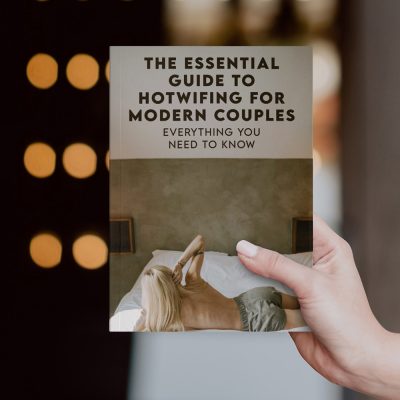
The fantasy is electric. The reality? It can feel like holding a grenade with the pin pulled. That gnawing fear that you might lose her isn't paranoia, it’s a warning. Without a battle-tested strategy, you aren't just exploring; you’re gambling with the most important thing in your life.
The Essential Guide replaces the terrifying unknown with ironclad structure. From managing primal jealousy to setting unbreakable boundaries, we provide the safety manual required to walk through the fire without getting burned. Don't guess. Know.

The fantasy is intoxicating. The reality? It can be terrifying. That sickening drop in your stomach when she leaves isn't just nerves; it's the fear of the unknown threatening everything you’ve built. Don't let vague agreements become grounds for disaster. You need structure before the chaos hits.
The Hotwife Contract Creator transforms your deepest anxieties about safety, emotions, and "going too far" into a rock-solid, signed agreement. Silence the jealousy and lock down your safety net so you can actually survive the thrill.
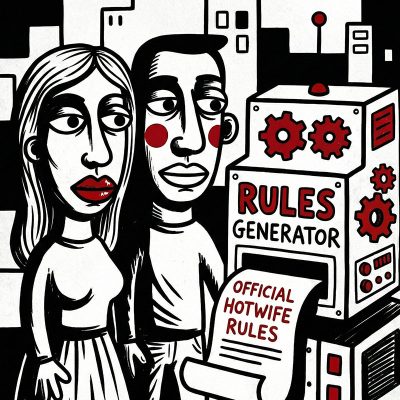
The fantasy is incredible, but the logistics can tear you apart. That sickening knot of anxiety you feel when she leaves isn't weakness; it's your brain warning you that you're flying without a safety net. Ambiguity is the oxygen that jealousy breathes. Don't let undefined "gray areas" become the reason your marriage implodes.
The Official Hotwife Rules Generator doesn't just list acts; it builds a protective fortress around your relationship. Get the concrete roadmap you need to ensure this high-stakes adventure doesn't turn into a disaster.
The fantasy is intoxicating. The reality? It can be a psychological car crash. That gut-wrenching drop when the bedroom door locks you out isn't just nerves, it’s a warning. 90% of men love the porn but crumble under the visceral weight of actual exclusion and emotional coldness.
This test drags your ego into the harsh light of day. We measure your resilience against the specific triggers that destroy marriages. Are you a true Cuckold or just a Tourist about to self-destruct? Check your ego before you wreck your life.
The fantasy is a rush, but the reality is a razor’s edge. That sickening drop when "humiliation" stops being a game and starts destroying his self-worth isn't a risk. It is the end of your marriage. Confusing "Stag" pride with "Cuckold" degradation is the fastest way to trauma.
This tool drags your hidden desires into the light. Pinpoint exactly where the fun stops and the pain begins, from gentle teasing to hard exclusion. Define your limits now before a misunderstanding becomes a permanent scar.
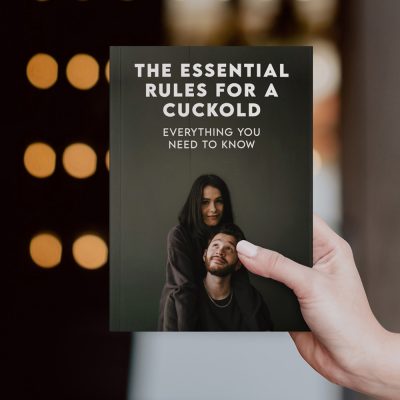
The fantasy is surrender. The reality is often shame that eats you alive. That gut-wrenching drop when the humiliation feels too real isn't part of the game. It is a warning that your psyche is cracking. Without a safety net, you aren't playing. You are traumatizing yourself.
The Essential Rules replaces reckless degradation with calculated intensity. We provide the contracts, vetting protocols, and aftercare scripts needed to explore the edge without falling off. Don't let a scene become a permanent scar.
Realistic scenarios and how to narrate them ethically
We will walk through several real world inspired scenarios and how to tell the stories ethically. Each scenario includes a quick how to guide for writing and a short sample paragraph you can adapt. The aim is to keep the narrative honest informative and respectful while preserving privacy and consent.
Scenario 1: A planned encounter with clear consent and prior discussion
In this scenario a couple discusses a potential encounter well in advance using a framework that they both trust. The writing approach highlights communication decision making and the emotional journey rather than only the physical details.
How to narrate
- Describe the planning phase what decisions were made what boundaries were set and how the couple reached mutual agreement.
- Keep the focus on emotional insights what each partner learned why the boundaries mattered and how aftercare was handled.
- Avoid sharing explicit sexual details that were not approved for publication. If you must reference activity use broad terms and anonymize.
Sample paragraph
We spent two weeks talking through what we were comfortable sharing and what would stay between us. Our main goal was to celebrate trust not to shock anyone. She spoke openly about her boundaries and I listened for what mattered most to us as a unit. When the moment finally came we checked in before during and after and the sense of alignment we felt afterward proved that careful planning makes storytelling possible.
Scenario 2: A boundary shift after a recent encounter
Boundaries can evolve. When writing about a shift in what is allowed or preferred it is important to describe the process rather than the sensational details.
How to narrate
- Explain why a boundary changed and who contributed to the decision.
- Highlight the emotional dynamics a sense of safety a desire to adapt and the steps taken to maintain trust.
- Avoid shaming anyone for past choices or for the evolution in boundaries.
Sample paragraph
After our last encounter we sat down with a clear menu of what still felt good and what did not. We approached the shift with care and curiosity recognizing that trust can grow when boundaries are revisited with honesty. The new approach reduced anxiety and increased the sense of safety for us both giving us a stronger sense of our shared path.
Scenario 3: An encounter that did not go as planned
Not every story goes smoothly. When sharing a setback you can still honor privacy and focus on learning rather than blame.
How to narrate
- Describe the challenge without naming or detailing private information about other people involved.
- Center the narrative on how the couple handled the situation what they learned and how they supported each other afterward.
- Offer a takeaway that can help readers facing similar situations.
Sample paragraph
Things did not go as we hoped and that is part of the learning we did together. We paused reassessed and communicated more openly than before. The experience showed us the power of listening when emotions are high and the importance of returning to core boundaries with patience and care.
Scenario 4: Aftercare and emotional processing
Aftercare is a vital part of any ENM encounter. Describing it can help readers understand how to care for themselves and their partners after a turn with another person.
How to narrate
- Detail the aftercare routine including checking in sharing emotions and providing physical comfort if appropriate.
- Explain what helped you feel grounded and connected after the encounter.
- Keep the focus on emotional safety rather than graphic intimacy.
Sample paragraph
After it was over we stayed close held hands and talked about what worked what felt difficult and what we wanted to try next time. The slow gentle debrief reminded us that affection and clarity are the real anchors in any ENM journey.
Scenario 5: Public discussion how to handle audience questions
If your content invites feedback or questions from readers or listeners there is a right way to handle it. Prepare readers for the kind of questions you might get and the boundaries for answering.
How to narrate
- Set expectations at the start about what you will and will not discuss publicly.
- Offer a process for readers to send questions and a plan for how you will respond while protecting privacy.
- Demonstrate respect even when questions are challenging.
Sample paragraph
We invite questions but we also protect privacy. If a reader asks for intimate details about someone else we will decline and offer general insights instead. Our aim is to illuminate how we navigate consent and communication not to reveal private information for shock value.
Must no s in ethical storytelling for the hotwife ENM dynamic
These are non negotiables that keep content humane and responsible.
- Never reveal identifying information about someone without explicit consent in writing.
- Never pressure a partner or the person involved to share more than they want.
- Never present the experiences as triumphs over others or as a standard that everyone should imitate.
- Never share explicit sexual details unless all parties have agreed to that level of disclosure and the platform supports it safely.
- Never blame or shame a partner for boundaries that change or for decisions that were made in good faith but did not work out.
Practical steps for ethical storytelling
If you want to write publish and share content about hotwife ENM use these steps to stay aligned with ethical principal.
- Get explicit written consent from all involved parties before sharing any story publicly. Clarify what can be shared and how it will be used.
- Anonymize where possible remove names locations identifying details and other markers that could reveal who is in the story.
- Ask for edits before posting review your draft with the people involved and be prepared to make changes or pull the piece if needed.
- Choose the right platform consider where the audience will see it and how that affects privacy and reach.
- Include a content warning if your piece may trigger readers or involve sensitive themes such as jealousy betrayal or emotional distress.
- Provide context explain why you are sharing the story what readers can learn and how others can apply the lessons to their own relationships.
- Be prepared to remove content if a party withdraws consent or requests removal after publication.
- Balance passion with restraint infuse energy and honesty but avoid sensationalism that can distort truth or harm someone involved.
Structuring content for clarity and impact
Good storytelling follows a rhythm. Here is a simple structure you can apply whether you are writing a blog post a chapter in a book a podcast script or social media carousel.
- Opening set the scene what is the dynamic about and who is involved at a high level without disclosing private information.
- Context provide the framework of consent boundaries and the emotional landscape you faced as the story unfolds.
- Turn reveal the moment where decisions were tested or a boundary shift occurred.
- Resolution describe how the situation concluded and what you learned or what changed for the future.
- Takeaway offer practical guidance readers can apply to their own relationships.
Handling jealousy and emotional responses when sharing
Jealousy is a common thread in ENM stories and honest discussion of it can be incredibly helpful for readers. When you address jealous feelings in a story you provide insight into your own processing and show readers how to handle similar emotions with care.
- Acknowledge feelings without invalidating them.
- Share the actions you took to address jealousy with your partner such as checking in setting new boundaries or seeking reassurance.
- Highlight the positive outcomes that resulted from honest processing and mutual support.
- Suggest practical tools such as journaling weekly check ins or setting a ritual after encounters.
Ethical storytelling tips for writers and creators
Whether you are writing for a blog a newsletter or a podcast there are practical tips that keep your work responsible and engaging.
- Practice radical honesty without broadcasting private details that could harm real people.
- Use plain language and explain terms so readers new to ENM can follow along.
- Tier your disclosure plan by audience this helps you control how much is shared on different platforms.
- Include a question and answer section to support readers who want to push into the topic with respect.
- Regularly review your own boundaries to ensure your content remains aligned with your values and with the consent you have obtained.
Glossary of useful terms and acronyms
- ENM Ethical nonmonogamy a relationship framework that emphasizes consent transparency and ongoing communication when exploring multiple intimate connections.
- Hotwife A woman who engages in sexual activities with others outside her primary relationship typically with the knowledge and sometimes involvement of her partner.
- Primary partner The person closest in the relationship structure often providing emotional support and alignment on major decisions.
- Compersion Feeling joy from your partner s happiness with someone else a positive emotional response rather than jealousy.
- Consent A clear enthusiastic agreement to participate in any activity with the freedom to change one s mind at any time.
- Boundaries Specific limits set by partners about what is allowed in and out of the relationship including what can be shared publicly.
- Anonymization The process of removing or altering details to protect individuals privacy when sharing stories.
- Aftercare The emotional and physical care provided after an encounter to help everyone feel safe and valued.
- Content warning A note to readers about sensitive or potentially triggering material within a story.
Frequently asked questions
Below are some common questions people have about ethical storytelling in the hotwife ENM dynamic. If you have other questions you can use the contact options on our site to reach out for personalized guidance.
How do I know if it is okay to share a story publicly
Always get explicit written consent from all involved parties before publishing any content about a real encounter. If anyone objects or wants changes you revise or remove the material. When in doubt choose privacy over exposure.
What should I do to protect privacy when sharing
Anonymize names places dates and any other identifiers that could reveal who is involved. Avoid sharing details about someone else s sexual experiences that they did not approve for publication even if you think it will help your story.
How can I handle audience questions responsibly
Set clear boundaries at the start about what you will discuss. If a question asks for information that could breach privacy you can redirect to broader insights and offer to discuss privately instead.
Is it okay to discuss jealousy in public content
Yes as long as you do it with honesty and care focusing on learning and growth rather than shaming others. Show how you managed the emotion with your partner and what steps helped restore trust.
What is the right level of detail when describing an encounter
Describe the emotional and decision making aspects rather than explicit sexual details unless all parties explicitly approve sharing those details. When in doubt err on the side of privacy and respect.
How can I start a post about a hotwife ENM topic
Begin with your relationship goals what you learned and a clear takeaway for readers. Then add context about consent how you navigated boundaries and what the experience taught you about communication.
Should I quote or reference other people in my stories
Only with explicit permission. If someone agrees you should still anonymize all identifiable information and respect any limits they set about what can be shared.
How long should a piece be
Length depends on format but aim for depth and usefulness rather than padding. A well crafted 1500 word post can be powerful while a 2500 word detailed piece can offer more practical guidance. Focus on value and clarity.
What if I need to retract content after it s published
Have a clear process for revisions and removal and communicate that if needed. Respect the wishes of the people involved and update the content accordingly.
How can I make content accessible to readers new to ENM
Include definitions avoid jargon provide real world examples and use a friendly conversational tone. Structure content with clear headings and bullet lists to improve readability.
The fantasy is electric. The reality? It can feel like holding a grenade with the pin pulled. That gnawing fear that you might lose her isn't paranoia, it’s a warning. Without a battle-tested strategy, you aren't just exploring; you’re gambling with the most important thing in your life.
The Essential Guide replaces the terrifying unknown with ironclad structure. From managing primal jealousy to setting unbreakable boundaries, we provide the safety manual required to walk through the fire without getting burned. Don't guess. Know.
The fantasy is intoxicating. The reality? It can be terrifying. That sickening drop in your stomach when she leaves isn't just nerves; it's the fear of the unknown threatening everything you’ve built. Don't let vague agreements become grounds for disaster. You need structure before the chaos hits.
The Hotwife Contract Creator transforms your deepest anxieties about safety, emotions, and "going too far" into a rock-solid, signed agreement. Silence the jealousy and lock down your safety net so you can actually survive the thrill.
The fantasy is incredible, but the logistics can tear you apart. That sickening knot of anxiety you feel when she leaves isn't weakness; it's your brain warning you that you're flying without a safety net. Ambiguity is the oxygen that jealousy breathes. Don't let undefined "gray areas" become the reason your marriage implodes.
The Official Hotwife Rules Generator doesn't just list acts; it builds a protective fortress around your relationship. Get the concrete roadmap you need to ensure this high-stakes adventure doesn't turn into a disaster.
The fantasy is intoxicating. The reality? It can be a psychological car crash. That gut-wrenching drop when the bedroom door locks you out isn't just nerves, it’s a warning. 90% of men love the porn but crumble under the visceral weight of actual exclusion and emotional coldness.
This test drags your ego into the harsh light of day. We measure your resilience against the specific triggers that destroy marriages. Are you a true Cuckold or just a Tourist about to self-destruct? Check your ego before you wreck your life.
The fantasy is a rush, but the reality is a razor’s edge. That sickening drop when "humiliation" stops being a game and starts destroying his self-worth isn't a risk. It is the end of your marriage. Confusing "Stag" pride with "Cuckold" degradation is the fastest way to trauma.
This tool drags your hidden desires into the light. Pinpoint exactly where the fun stops and the pain begins, from gentle teasing to hard exclusion. Define your limits now before a misunderstanding becomes a permanent scar.
The fantasy is surrender. The reality is often shame that eats you alive. That gut-wrenching drop when the humiliation feels too real isn't part of the game. It is a warning that your psyche is cracking. Without a safety net, you aren't playing. You are traumatizing yourself.
The Essential Rules replaces reckless degradation with calculated intensity. We provide the contracts, vetting protocols, and aftercare scripts needed to explore the edge without falling off. Don't let a scene become a permanent scar.
