
Integrating Lessons Into Monogamous Phases


Let us get real for a moment. Non monogamy is not a sprint it is a training ground. When you run a hotwife ENM dynamic you gain insights into desire boundaries trust and communication that can help you tighten up your monogamous phases. This guide is written in a down to earth voice because we know you want practical takeaways not theater. We will break down what hotwife ENM means how lessons learned in that space can be carried into a monogamous phase and how to implement them with care and consent. No drama just useful tools you can actually use.
Quick Links to Useful Sections
- What this guide covers
- Key terms you should know
- Setting the frame for monogamous phases
- Lessons hotwife ENM teaches that apply to monogamy
- 1. Communication is king
- 2. Consent is ongoing not a one time event
- 3. Trust grows through transparency
- 4. Boundaries are living documents
- 5. Jealousy as data not a threat
- 6. Desire and curiosity should be explicit
- 7. Empathy for partners and others
- 8. Self care and reflection
- 9. The power of a debrief
- Practical playbook to integrate lessons into monogamy
- Step 1 Acknowledge the dynamic and reframe the goals
- Step 2 Create a consent and communication roadmap
- Step 3 Craft a desire and boundary inventory
- Step 4 Schedule regular debriefs
- Step 5 Build micro tasks that practice the lessons
- Step 6 Prepare for renegotiation
- Step 7 Practice emotional safety rituals
- Realistic scenarios and scripts
- Scenario A Why did you not tell me you felt uncomfortable with her
- Scenario B We both want more connection how do we get it without jeopardizing trust
- Scenario C A flare of jealousy during a rare intimate moment
- Scenario D Aftercare and emotional check in
- Must nots when integrating lessons into monogamy
- Tips and common myths about the hotwife ENM to monogamy transition
- Tools and routines you can start today
- Glossary of useful terms and acronyms
- Frequently asked questions
- Putting it all together A simple week by week plan
- Final notes
What this guide covers
This article is designed for couples and individuals who are exploring a hotwife dynamic and want to translate the skills into healthier and more satisfying monogamous periods. It lays out core concepts defines common terms and gives you concrete steps for applying lessons without sacrificing consent or respect. You will find real world scenarios practical templates and a clear playbook you can follow from day one. The goal is to help you build a monogamous phase that feels secure exciting and deeply rooted in communication and empathy.
Key terms you should know
Before we dive in let us define some terms so we are all on the same page. If you already know these terms feel free to skim and jump to the sections you want. If you are new to these ideas this glossary will help you speak the language with confidence.
- Ethically non monogamous ENM A style of relationship where all partners consent to and benefit from sexual or romantic experiences with others outside the primary relationship. It is all about consent transparency and ongoing conversation.
- Hotwife A term used to describe a wife or female partner who engages in sexual experiences with other people with the knowledge and often the consent of her partner. It focuses on consent and shared boundaries rather than secrecy or betrayal.
- Monogamous phase A period in which two people commit to exclusively pursuing each other physically emotionally and romantically within agreed boundaries. It can be a temporary arrangement or a long term preference.
- Consent culture A practice where every step of a sexual or relational activity is discussed agreed upon and revisited. It is ongoing and dynamic rather than a one time checkbox.
- Boundaries The limits that you and your partner set around what is acceptable in your relationship. Boundaries are living documents that can shift over time.
- Jealousy as data A concept that jealousy signals something important is happening in your relationship such as insecurity fear or need that is not being addressed. It is information to be explored not a weapon to use against a partner.
- Debrief A post experience conversation where partners share what happened what felt good what did not and what to adjust for next time.
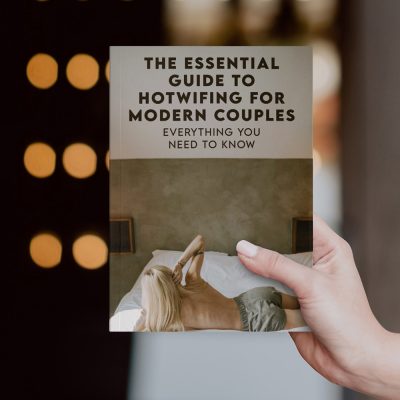
The fantasy is electric. The reality? It can feel like holding a grenade with the pin pulled. That gnawing fear that you might lose her isn't paranoia, it’s a warning. Without a battle-tested strategy, you aren't just exploring; you’re gambling with the most important thing in your life.
The Essential Guide replaces the terrifying unknown with ironclad structure. From managing primal jealousy to setting unbreakable boundaries, we provide the safety manual required to walk through the fire without getting burned. Don't guess. Know.

The fantasy is intoxicating. The reality? It can be terrifying. That sickening drop in your stomach when she leaves isn't just nerves; it's the fear of the unknown threatening everything you’ve built. Don't let vague agreements become grounds for disaster. You need structure before the chaos hits.
The Hotwife Contract Creator transforms your deepest anxieties about safety, emotions, and "going too far" into a rock-solid, signed agreement. Silence the jealousy and lock down your safety net so you can actually survive the thrill.

The fantasy is incredible, but the logistics can tear you apart. That sickening knot of anxiety you feel when she leaves isn't weakness; it's your brain warning you that you're flying without a safety net. Ambiguity is the oxygen that jealousy breathes. Don't let undefined "gray areas" become the reason your marriage implodes.
The Official Hotwife Rules Generator doesn't just list acts; it builds a protective fortress around your relationship. Get the concrete roadmap you need to ensure this high-stakes adventure doesn't turn into a disaster.

The fantasy is intoxicating. The reality? It can be a psychological car crash. That gut-wrenching drop when the bedroom door locks you out isn't just nerves, it’s a warning. 90% of men love the porn but crumble under the visceral weight of actual exclusion and emotional coldness.
This test drags your ego into the harsh light of day. We measure your resilience against the specific triggers that destroy marriages. Are you a true Cuckold or just a Tourist about to self-destruct? Check your ego before you wreck your life.

The fantasy is a rush, but the reality is a razor’s edge. That sickening drop when "humiliation" stops being a game and starts destroying his self-worth isn't a risk. It is the end of your marriage. Confusing "Stag" pride with "Cuckold" degradation is the fastest way to trauma.
This tool drags your hidden desires into the light. Pinpoint exactly where the fun stops and the pain begins, from gentle teasing to hard exclusion. Define your limits now before a misunderstanding becomes a permanent scar.
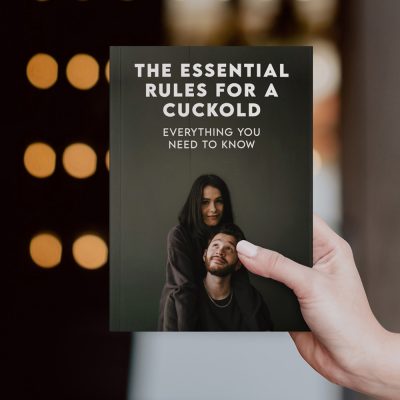
The fantasy is surrender. The reality is often shame that eats you alive. That gut-wrenching drop when the humiliation feels too real isn't part of the game. It is a warning that your psyche is cracking. Without a safety net, you aren't playing. You are traumatizing yourself.
The Essential Rules replaces reckless degradation with calculated intensity. We provide the contracts, vetting protocols, and aftercare scripts needed to explore the edge without falling off. Don't let a scene become a permanent scar.
Setting the frame for monogamous phases
The frame is the foundation. In a hotwife ENM dynamic you already know how to negotiate consent get consent again and recalibrate when needed. The challenge in a monogamous phase is to bring that same clarity and consent minded approach into a single partnership. Here is a practical frame you can adopt.
- Open and ongoing consent Even if you are in a monogamous phase you may want to discuss scenarios that could affect your relationship. Make consent a process not a moment. Check in regularly and adjust boundaries as life changes.
- Clear expectations Define what monogamy means for you in this phase. Is flirting allowed only with permission or completely off the table Why not both depending on context That clarity saves misinterpretation and hurt later on.
- Communication cadence Build a rhythm for talking about feelings. A weekly check in plus space for quick text updates can prevent small concerns from becoming big problems.
- Emotional safety Create a culture where vulnerability is met with empathy. When someone shares insecurity there is no judgment only exploration of what needs to change to feel secure.
Lessons hotwife ENM teaches that apply to monogamy
The core skills you develop in a hotwife dynamic are transferable. Here are the big ones and practical ways to apply them during monogamous phases. Each lesson includes a quick action you can start today.
1. Communication is king
In ENM communication is not optional it is the gear that keeps the machine running. You learn to state wants talk about fears and negotiate boundaries in real time. Translate this into monogamy by adopting a habit of weekly check ins and a daily practice of honest emotion labeling. Start a simple routine where you share one thing you appreciated about your partner that week and one area where you want more closeness. This practice builds intimacy and prevents drift.
2. Consent is ongoing not a one time event
Consent in ENM is constant and revisited. In a monogamous phase you can keep this momentum by making consent a living practice for every new situation. Before initiating anything that touches intimacy revisit boundaries and ask for quick updates about comfort levels. Even in a long term relationship you should not assume. A quick check in can be as simple as Are we still comfortable with X or would you like to revisit Y
3. Trust grows through transparency
Transparency is the heartbeat of hotwife relationships. When you bring that into monogamy you build trust that reduces insecurity. Be transparent about your needs your boundaries and your emotional process. This does not mean oversharing every thought but it does mean you tell your partner when something is happening that could impact the relationship.
4. Boundaries are living documents
The boundaries you set in ENM are not permanent fences they are guides that fit your current phase. In monogamy revisit them regularly especially after life changes those can be job shifts new children moving to a new city or health changes. Update them together so both people feel seen and safe.
5. Jealousy as data not a threat
Jealousy is a signal that something matters to you. In ENM you learn to examine jealousy rather than suppress it. In a monogamous phase use jealousy as a prompt for conversation what is lacking what feeling unseen is there an unmet need for affection or reassurance Or is there a boundary that needs reaffirming
6. Desire and curiosity should be explicit
In a hotwife scenario desire and curiosity are named not assumed. In monogamy that means inviting conversations about fantasy needs and preferences with respect. Set a regular space to talk about turn ons turn offs and boundaries a safe space where both partners can explore without fear of judgment.
7. Empathy for partners and others
Empathy is the connective tissue. In ENM you practice imagining your partner's perspective while still honoring your own needs. In monogamy this translates to listening with curiosity and validating feelings even when you disagree. It also means acknowledging the impact of external experiences on your partner and ensuring you both feel supported.
8. Self care and reflection
Hotwife ENM teaches you to reflect on your own needs and to take responsibility for your well being. In monogamy that looks like carving out space for your own interest time with friends or solo rest while maintaining a strong bond with your partner. When you take care of yourself you bring healthier energy to the relationship and reduce the risk of burnout or resentment.
9. The power of a debrief
A post experience debrief is a practical ritual in ENM that helps everyone learn. In monogamy use debriefs after significant emotional events or intimate moments to capture what worked what did not and what to adjust. A good debrief is not a blame game it is a learning session.
Practical playbook to integrate lessons into monogamy
Now we get to the implementation. Here is a straightforward playbook you can start using this week to carry lessons from hotwife ENM into a monogamous phase. The steps are practical and repeatable so you can adjust as you learn more about your relationship.
Step 1 Acknowledge the dynamic and reframe the goals
Start with a clear friendly conversation about what you want from the monogamous phase. Confirm that both partners feel heard and that the plan feels fair. State three concrete goals for the phase such as stronger weekly check ins deeper emotional intimacy and a shared language for discussing difficult topics. Write these goals down and agree to revisit them every four weeks.
Step 2 Create a consent and communication roadmap
Build a simple roadmap that outlines how conversations will happen what topics get flagged for a check in and how you will handle disagreements. Include a safety note that either partner can pause a conversation if emotions run too hot and you need a breath or a reset. The roadmap acts as a guide to keep discussions constructive and to protect the relationship from spiraling or blame.
Step 3 Craft a desire and boundary inventory
Create a shared inventory that lists desires boundaries and non negotiables. Make it a living document. Each partner adds to the list and the other partner confirms understanding. This inventory becomes a quick reference during the phase and helps you avoid misreads and assumptions. You might include items like preferred forms of affection daily check ins or times when privacy is especially important.
Step 4 Schedule regular debriefs
Debriefs should happen after meaningful moments together and after emotionally charged events. Use a simple structure: what happened what was felt what was learned what to adjust and what to celebrate. Focus on behavior not character and keep the tone respectful. Debriefs turn experiences into growth and they reinforce a healthy dynamic rather than letting tension fester.
Step 5 Build micro tasks that practice the lessons
Turn big ideas into small repeatable actions. Examples include a weekly 20 minute date night with no devices a shared journal entry on what you felt during a new experience a monthly review of boundaries and a weekly check in about sexual and emotional needs. Small tasks add up to meaningful shifts over time.
Step 6 Prepare for renegotiation
Expect that things will change. People grow. Feelings shift. Plan for renegotiation by design. Agree that every six to eight weeks you will revisit the core agreements and update them if needed. The ability to renegotiate without shame is a sign of a mature relationship.
Step 7 Practice emotional safety rituals
Develop rituals that protect your emotional health. That could be a short grounding exercise before tough conversations a ritual of affirmations after a disagreement or a calming conversation rule that no one interrupts while the other speaks. Healthy rituals reduce defensiveness and invite openness.
Realistic scenarios and scripts
Let us paint a few realistic situations you might encounter during a monogamous phase and how to handle them in a constructive way. These are not perfect scripts but templates you can adapt to your voice and relationship style.
Scenario A Why did you not tell me you felt uncomfortable with her
Context The couple had a recent ENM influenced interaction and now one partner feels unsettled about boundaries. Script You say I want to understand what happened and how you felt during that interaction. I noticed we did not discuss it in the moment would you be willing to talk about it now for a few minutes. The other person shares their experience and feelings. Then you both discuss what boundaries need reaffirming and how to prevent a similar gap in the future.
Scenario B We both want more connection how do we get it without jeopardizing trust
Context The relationship has good trust but emotion feels a bit distant. Script Let us schedule a regular weekly check in where we each share one thing we appreciate about the other and one thing we wish for in the coming week. Then we choose one small activity that will bring us closer whether that is a new shared hobby or a longer cuddle session each night. Small steps add up to stronger connection.
Scenario C A flare of jealousy during a rare intimate moment
Context A moment of jealousy arises because one partner feels left out. Script Acknowledge without blame You can say I felt a sting of jealousy and I want to understand what that means for me right now. The other partner responds with empathy and reassurance. Then you discuss how to adjust the boundaries or the communication plan to ensure both partners feel safe.
Scenario D Aftercare and emotional check in
Context A new experience within the monogamous phase occurred and both partners want to process it. Script We sit together for ten to fifteen minutes and use a guided aftercare format What did you enjoy What surprised you What would you want more of in the future What do you want to do next time to feel even more connected
Must nots when integrating lessons into monogamy
- Avoid turning conversations into a blame game. Focus on behavior and feelings not on accusations.
- Avoid hiding or shaming. If you feel exposed speak up in the moment and seek support rather than bottling it up.
- Avoid making ultimatums a default. Ultimatums often escalate tension instead pursue collaborative problem solving.
- Avoid assuming your partner shares your interpretation of events. Always ask for clarification before drawing conclusions.
- Avoid reinventing the wheel every time. Use the debrief framework and the living documents to stay aligned instead of re starting from scratch repeatedly.
Tips and common myths about the hotwife ENM to monogamy transition
- Tip Show your work. Demonstrate how you are applying lessons not just stating intentions.
- Tip Protect privacy. Share feelings not intimate details that could hurt others involved if you decide to keep parts private.
- Myth ENM ruins monogamy. Reality: with strong consent consent and communication ENM experiences can strengthen trust and deepen commitment.
- Myth It is all about sex. Reality: it is about trust communication and personal growth for all involved not just sexual experiences.
- Tip Build a language for difficult emotions. When you can name a feeling you reduce the power of the feeling to derail a conversation.
Tools and routines you can start today
The following tools are quick to implement and can substantially shift how your monogamous phase feels. Pick a few to start with and add more as you feel comfortable.
- Weekly relationship check in A fixed time where you both share highs and lows from the week and set an intention for the next one.
- Desire inventory A shared list that captures turn ons turn offs and fantasies you would like to explore with consent and boundaries in place.
- Deconstruct jealousy When jealousy arises label it as data and discuss what actions will address the underlying need.
- Structured aftercare A short routine after intimate moments to reconnect with each other emotionally.
- Public and private boundaries Clear rules about what is okay to discuss outside the relationship and what should stay private between partners.
Glossary of useful terms and acronyms
- ENM Ethically non monogamous a framework where all involved consent to exploring experiences with others outside the core pair or group.
- Hotwife A wife or female partner who engages in sexual experiences with others with the knowledge of her partner.
- Monogamous phase A period during which the couple commits to exclusive emotional and sexual commitment as agreed.
- Consent culture Ongoing open consent with regular check ins about comfort and boundaries.
- Boundaries The lines that define what is acceptable in a relationship. Boundaries can change but must be communicated clearly.
- Debrief A post experience discussion focused on learning and future adjustments rather than blaming.
- Jealousy as data A way to interpret jealousy as information about needs that may require attention or a boundary tweak.
Frequently asked questions
Below you will find quick answers to common questions about integrating lessons from hotwife ENM into monogamous phases. If you have a question not listed here please drop it in your notes and we can tailor a response for you.
How do I start applying ENM lessons to a monogamous phase
Begin with a calm conversation about your goals for the phase. Create a simple consent and communication roadmap and establish a weekly check in. Start a desire inventory together and plan a debrief after meaningful moments. Small consistent actions beat big promises that fade away.
What if one partner feels insecure despite our efforts
Insecurity is a signal that something needs attention. Validate the feelings and invite a specific discussion about what would help. Revisit boundaries and adjust the plan. Consider more frequent check ins or a shared activity that increases closeness as a temporary measure.
Is it possible to keep privacy while remaining transparent
Yes. Transparency is about sharing feelings and needs not every intimate detail. You can protect private information while still building trust by discussing emotions actions and boundaries at a high level and leaving out sensitive specifics that could hurt others involved.
How often should we renegotiate boundaries
As a rule plan a formal renegotiation every six to eight weeks or after any major life change. If you notice a significant shift in feelings or dynamics set up a renegotiation sooner. The key is to stay proactive not reactive.
Can we include fantasies in a monogamous phase
Absolutely. Fantasy exploration within agreed boundaries can deepen intimacy. Create a safe space to discuss fantasies without judgment and decide together which ideas you want to pursue and which to shelve for now.
What should a debrief look like
A debrief should cover what happened what you both felt what you learned and what adjustments you will make. It is not about assigning blame but about growing together. A simple structure keeps the process productive and compassionate.
How long should a monogamous phase last
There is no one size fits all answer. Let the couple’s needs and life circumstances guide the length. Some phases last a few weeks some last several months. The important thing is to keep communicating and to reassess when life changes occur.
What if we slide back into old patterns
That happens to many couples. Acknowledge the slip without judgment and reset your frame. Revisit your consent roadmap and debrief to understand what triggers you. Use a short plan to get back on track quickly rather than waiting for a bigger issue to unfold.
Putting it all together A simple week by week plan
If you want a concrete starter plan here is a simple eight week outline you can adapt. Each week includes one or two small tasks designed to reinforce the lessons and create momentum without overwhelming you.
- Week 1 establish goals and create a shared consent roadmap. Task one write down three goals for the monogamous phase and review them together.
- Week 2 create a desire and boundary inventory. Task two each partner adds five items to the inventory and confirms understanding.
- Week 3 schedule the first debrief after a meaningful moment. Task three plan a debrief structure for future events.
- Week 4 implement a weekly check in. Task four pick a fixed day and time and keep it sacred for discussion and connection.
- Week 5 add a small intimacy ritual. Task five generate a simple aftercare routine that both partners find comforting.
- Week 6 address jealousy as data. Task six identify one jealousy trigger and plan a constructive response.
- Week 7 expand communication skills. Task seven practice a two minute non blaming reflection when sharing a tough feeling.
- Week 8 renegotiate boundaries if needed and celebrate the progress. Task eight write a short reflection on what you learned and plan next steps.
Final notes
Integrating lessons from a hotwife ENM dynamic into a monogamous phase is about building trust clarity and mutual growth. It is not about erasing experiences or pretending everything is simple. It is about turning those experiences into tools for a stronger partnership. This approach invites honesty courage and playfulness. It invites you to see each phase as an opportunity to deepen your connection while staying true to your shared values. If you lean into consent and communication you will find that monogamy can become a richer and more satisfying space for both of you. The goal is not to replicate a non monogamous experience but to translate the learning in a way that respects your relationship and enhances your bond.
The fantasy is electric. The reality? It can feel like holding a grenade with the pin pulled. That gnawing fear that you might lose her isn't paranoia, it’s a warning. Without a battle-tested strategy, you aren't just exploring; you’re gambling with the most important thing in your life.
The Essential Guide replaces the terrifying unknown with ironclad structure. From managing primal jealousy to setting unbreakable boundaries, we provide the safety manual required to walk through the fire without getting burned. Don't guess. Know.
The fantasy is intoxicating. The reality? It can be terrifying. That sickening drop in your stomach when she leaves isn't just nerves; it's the fear of the unknown threatening everything you’ve built. Don't let vague agreements become grounds for disaster. You need structure before the chaos hits.
The Hotwife Contract Creator transforms your deepest anxieties about safety, emotions, and "going too far" into a rock-solid, signed agreement. Silence the jealousy and lock down your safety net so you can actually survive the thrill.
The fantasy is incredible, but the logistics can tear you apart. That sickening knot of anxiety you feel when she leaves isn't weakness; it's your brain warning you that you're flying without a safety net. Ambiguity is the oxygen that jealousy breathes. Don't let undefined "gray areas" become the reason your marriage implodes.
The Official Hotwife Rules Generator doesn't just list acts; it builds a protective fortress around your relationship. Get the concrete roadmap you need to ensure this high-stakes adventure doesn't turn into a disaster.
The fantasy is intoxicating. The reality? It can be a psychological car crash. That gut-wrenching drop when the bedroom door locks you out isn't just nerves, it’s a warning. 90% of men love the porn but crumble under the visceral weight of actual exclusion and emotional coldness.
This test drags your ego into the harsh light of day. We measure your resilience against the specific triggers that destroy marriages. Are you a true Cuckold or just a Tourist about to self-destruct? Check your ego before you wreck your life.
The fantasy is a rush, but the reality is a razor’s edge. That sickening drop when "humiliation" stops being a game and starts destroying his self-worth isn't a risk. It is the end of your marriage. Confusing "Stag" pride with "Cuckold" degradation is the fastest way to trauma.
This tool drags your hidden desires into the light. Pinpoint exactly where the fun stops and the pain begins, from gentle teasing to hard exclusion. Define your limits now before a misunderstanding becomes a permanent scar.
The fantasy is surrender. The reality is often shame that eats you alive. That gut-wrenching drop when the humiliation feels too real isn't part of the game. It is a warning that your psyche is cracking. Without a safety net, you aren't playing. You are traumatizing yourself.
The Essential Rules replaces reckless degradation with calculated intensity. We provide the contracts, vetting protocols, and aftercare scripts needed to explore the edge without falling off. Don't let a scene become a permanent scar.
