
Integrating Love Desire and Freedom


Welcome to a real world guide that treats your relationships like a living experiment with honest feedback loops, clear boundaries, and plenty of humor when needed. We are going to unpack how to balance three core ingredients in the hotwife ethical non monogamy dynamic. Love keeps you connected. Desire keeps the spark alive. Freedom lets each person grow with autonomy. When you combine all three well you can maintain trust, deepen intimacy and enjoy adventures you could not access in a strictly monogamous setup.
Quick Links to Useful Sections
- What is this guide for
- What is the hotwife ENM dynamic
- Terms you might hear
- Core ideas behind integrating love desire and freedom
- Boundaries and consent first
- How to start the conversation
- A practical framework to implement the dynamic
- Step 1 The alignment conversation
- Step 2 Map boundaries and agreements
- Step 3 Create a communication plan
- Step 4 Safeguards and aftercare
- Step 5 Logging experiences for learning
- Realistic scenarios you might encounter
- Scenario 1 A wife goes on a date with an outside partner
- Scenario 2 A husband joins for a specific encounter or event
- Scenario 3 Scheduling conflicts and renegotiation
- Scenario 4 Handling a difficult emotional moment
- Scenario 5 Evolving needs and renegotiation
- Must nots and common pitfalls
- Practical tips for better communication
- Self care and aftercare in the hotwife dynamic
- Glossary of useful terms and acronyms
- Getting started checklist
What is this guide for
This guide is for couples exploring a hotwife ENM arrangement. ENM stands for ethical non monogamy. A hotwife is a term used to describe a wife or female partner who has sexual encounters with other people with the knowledge and consent of her primary partner. In many cases the primary couple remains emotionally committed and emotionally aligned while opening the relationship to experiences beyond the couple. This guide will explain terms, provide practical steps, present realistic scenarios, and share tips to help you design an arrangement that respects both partners and creates space for growth.
What is the hotwife ENM dynamic
The hotwife ENM dynamic blends a strong primary bond with the freedom for a wife or female partner to explore sexual experiences with other partners. The primary partner may or may not participate in external encounters. The key is clear consent, ongoing communication and a shared understanding of what is acceptable in terms of boundaries and timing. This dynamic can feel exhilarating and nerve racking at the same time which is why good planning matters. We do not pretend this is simple or one size fits all. We are here to help you navigate your unique version with practical steps and real talk.
Terms you might hear
- ENM Ethical non monogamy a relationship style where honesty and consent guide multiple intimate connections outside the primary partnership.
- Hotwife A wife or female partner who has sexual experiences with other people with the knowledge and consent of her partner.
- Primary partner The person who is the central relationship in a couple or triad while others occur outside that primary bond.
- Compersion The feeling of joy one experiences when a partner is happy with another relationship or experience.
- Jealousy management Techniques and practices that help a person cope with feelings of envy or insecurity in non monogamous settings.
- Negotiation A structured conversation to establish what is allowed and what is off limits in a relationship arrangement.
- Boundaries Explicit lines that separate what is okay and what is not within the relationship dynamic.
- Aftercare Careful emotional support following a difficult or intimate experience to help partners feel connected and safe.
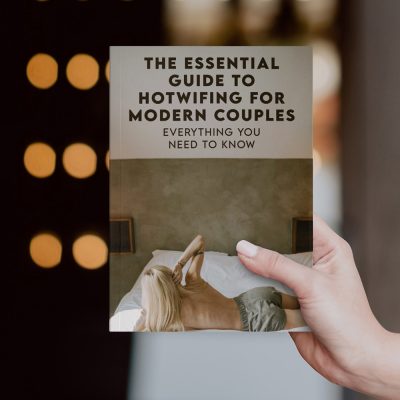
The fantasy is electric. The reality? It can feel like holding a grenade with the pin pulled. That gnawing fear that you might lose her isn't paranoia, it’s a warning. Without a battle-tested strategy, you aren't just exploring; you’re gambling with the most important thing in your life.
The Essential Guide replaces the terrifying unknown with ironclad structure. From managing primal jealousy to setting unbreakable boundaries, we provide the safety manual required to walk through the fire without getting burned. Don't guess. Know.

The fantasy is intoxicating. The reality? It can be terrifying. That sickening drop in your stomach when she leaves isn't just nerves; it's the fear of the unknown threatening everything you’ve built. Don't let vague agreements become grounds for disaster. You need structure before the chaos hits.
The Hotwife Contract Creator transforms your deepest anxieties about safety, emotions, and "going too far" into a rock-solid, signed agreement. Silence the jealousy and lock down your safety net so you can actually survive the thrill.

The fantasy is incredible, but the logistics can tear you apart. That sickening knot of anxiety you feel when she leaves isn't weakness; it's your brain warning you that you're flying without a safety net. Ambiguity is the oxygen that jealousy breathes. Don't let undefined "gray areas" become the reason your marriage implodes.
The Official Hotwife Rules Generator doesn't just list acts; it builds a protective fortress around your relationship. Get the concrete roadmap you need to ensure this high-stakes adventure doesn't turn into a disaster.

The fantasy is intoxicating. The reality? It can be a psychological car crash. That gut-wrenching drop when the bedroom door locks you out isn't just nerves, it’s a warning. 90% of men love the porn but crumble under the visceral weight of actual exclusion and emotional coldness.
This test drags your ego into the harsh light of day. We measure your resilience against the specific triggers that destroy marriages. Are you a true Cuckold or just a Tourist about to self-destruct? Check your ego before you wreck your life.

The fantasy is a rush, but the reality is a razor’s edge. That sickening drop when "humiliation" stops being a game and starts destroying his self-worth isn't a risk. It is the end of your marriage. Confusing "Stag" pride with "Cuckold" degradation is the fastest way to trauma.
This tool drags your hidden desires into the light. Pinpoint exactly where the fun stops and the pain begins, from gentle teasing to hard exclusion. Define your limits now before a misunderstanding becomes a permanent scar.
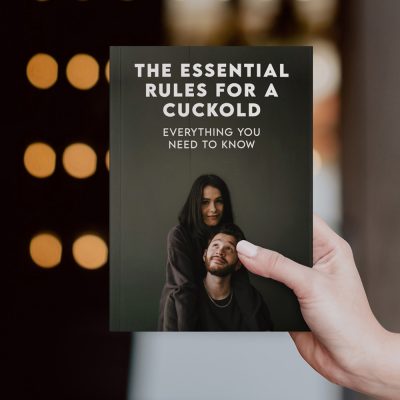
The fantasy is surrender. The reality is often shame that eats you alive. That gut-wrenching drop when the humiliation feels too real isn't part of the game. It is a warning that your psyche is cracking. Without a safety net, you aren't playing. You are traumatizing yourself.
The Essential Rules replaces reckless degradation with calculated intensity. We provide the contracts, vetting protocols, and aftercare scripts needed to explore the edge without falling off. Don't let a scene become a permanent scar.
Core ideas behind integrating love desire and freedom
Love is the glue that binds you together even when you are exploring outside connections. Desire is the spark that keeps passion alive and invites novelty into the relationship. Freedom is the space that allows both partners to grow as individuals while staying connected. When these three pieces are aligned you reduce pressure and create a more resilient bond. Here are the core ideas that guide this work:
- Mutual longing You both want to experience closeness with each other and with other people in a way that sustains the relationship rather than weakens it.
- Transparent communication You talk openly about what you want what you fear and what you are curious about without shaming or blaming.
- Explicit consent You both agree on boundaries and renegotiate them as life changes and desires shift.
- Responsive governance You have a clear plan for how decisions are made who communicates what when and how often you check in.
- Emotional literacy You work on recognizing and naming feelings jealousy pride longing relief and happiness as they arise.
Boundaries and consent first
Boundaries are not walls to trap you they are guardrails that keep you safe while you explore. Consent is ongoing and enthusiastic not a one time checkbox. In a hotwife ENM setting you typically need to decide on the following kinds of boundaries:
- Who is off limits You may designate specific people or types of encounters as off limits and you can discuss why those boundaries exist.
- What is allowed Define what sexual activities are permitted with external partners and what settings are okay for meeting people.
- Time windows Agree on when external dating occurs for example certain days or months or a limit on frequency.
- Disclosure Decide how much information will be shared after an encounter how soon and in what form.
- Public vs private Clarify whether encounters happen in private spaces or in more public settings and what privacy means in this context.
- Safety rules Establish health safety expectations including tests and protection when appropriate.
How to start the conversation
Starting a conversation about opening or expanding a relationship can feel risky but a calm approach increases the odds of a productive result. Here is a simple blueprint you can adapt to your relationship style.
- Choose the right moment Find a time without distractions when you both feel calm and present.
- State your intention Begin with a direct statement about what you want to explore and why it matters to you both.
- Invite response Ask your partner what they think how they feel and what they want to say. Listen without interrupting.
- Summarize and reflect Repeat back what you heard and confirm you understood correctly before proposing next steps.
- Agree on a plan Set a small trial period with specific boundaries and a date to check in and adjust.
A practical framework to implement the dynamic
Below is a practical framework you can apply step by step. It is designed to help you test the waters with confidence and respect. You do not need to rush this you can take your time and record what you learn along the way.
Step 1 The alignment conversation
In this step you explore core questions with your partner. The goal is alignment not immediate action. Talk about what you want to experience what you dread and what would make you feel secure. Create a shared vision for what success looks like for you as a couple.
- What does freedom mean to each of us in this relationship
- What does desire feel like when we are connected and when we are apart
- What would a healthy level of connection with others look like in our life
- What are the non negotiables that we must protect in any scenario
Step 2 Map boundaries and agreements
Use a boundary mapping exercise to translate values into concrete rules. Create a document that lists each boundary with the reason and the acceptable alternatives. Keep it clear and concrete. If a boundary feels unclear it is a sign that more discussion is needed.
- Boundary examples include time boundaries location boundaries emotional boundaries and safety boundaries.
- Make sure both partners own the agreements and feel heard when a boundary is set or revised.
Step 3 Create a communication plan
Regular check ins are essential. Decide how often you will talk about the arrangement during the trial phase. Some couples prefer weekly check ins with a brief message mid week to surface issues early. The plan should include what you will share how you will share it and how you will adjust based on feelings and events.
- Use neutral language focus on behaviors not person blame.
- Ask clarifying questions and reflect feelings before offering options.
- Agree on a simple process for renegotiation when life changes like new job or a move impact your time and energy.
Step 4 Safeguards and aftercare
Aftercare is the practice of checking in after any significant encounter to reinforce trust and emotional safety. Decide who will provide aftercare and what that looks like for each partner. It can be a quiet talk a shared meal a cuddle session or time alone to process. The essential part is that both partners feel seen valued and cared for after the experience.
- Agree on one or two aftercare rituals that work for you.
- Share what you learned about your own needs and your partner's needs in the moment.
Step 5 Logging experiences for learning
Keep a shared journal of experiences what happened what you felt and what you might do differently next time. This creates a feedback loop that helps the relationship evolve. The journal is for learning not for blame.
- Record the circumstances of the encounter including where when with whom and what was discussed before during and after.
- Note changes in how you feel over time and any shifts in boundaries or comfort levels.
Realistic scenarios you might encounter
These scenarios illustrate common situations and how to handle them with care. Use them as a starting point to map your own specifics. They are not one size fits all but they give you practical ideas to discuss with your partner.
Scenario 1 A wife goes on a date with an outside partner
The wife plans a date with a partner who has been vetted in advance. The couple has agreed on a time window and a disclosure plan. The husband will receive a quick debrief after the date and there is a pre agreed signal if either partner wants to pause the activity. After the date the couple shares how the experience felt and whether any boundary should be adjusted. This approach preserves trust while allowing the wife to explore a new connection.
Scenario 2 A husband joins for a specific encounter or event
In this scenario the husband or male partner engages in a participation role on a specific occasion such as a group event or a single encounter. The agreement might permit participation but require a clear end point an explicit consent check before moving to a new interaction and a focus on keeping the primary relationship visible and central. The idea is to maintain equity between partners while recognizing that each person may wish different levels of involvement.
Scenario 3 Scheduling conflicts and renegotiation
Life sometimes disrupts plans. A couple may decide to pause for a few weeks or revise the frequency. They discuss what changes are needed how long the pause will last and how they will re check in after the pause to decide how to move forward. You can also renegotiate how long a trial period should be or if a different day of the week works better for both partners.
Scenario 4 Handling a difficult emotional moment
Jealousy can surface for any partner at any time. In this scenario one partner feels overwhelmed after a date. They pause together breathe and check in with a therapist or a trusted friend or coach if needed. The goal is not to silence emotion but to process it and return to a shared plan with renewed insight. The other partner expresses care and acknowledgments their needs and emotions while reaffirming commitment to the relationship.
Scenario 5 Evolving needs and renegotiation
Over time desires can shift. A couple may decide to shift boundaries from a more open stance to a more closed stance or vice versa. The important factor is conducting that renegotiation with honesty as the guiding principle and ensuring both partners feel heard and safe throughout the process.
Must nots and common pitfalls
- Avoid secrecy Secrecy corrodes trust. If something feels off talk about it right away rather than letting it fester.
- Avoid pressure Do not pressure your partner into experiences they are not ready for. Consent must be enthusiastic and ongoing.
- Do not ignore boundaries Boundaries exist to protect both partners. Treat them with respect even if you personally want to push them.
- Don not assume roles People are not one dimensional. Allow flexibility and avoid rigid scripts.
- Avoid comparing Each person brings their own history and needs. Avoid comparing experiences with others or pressuring your partner to measure up to a standard.
Practical tips for better communication
- Practice active listening Reflect what you heard before adding your own point. This reduces misunderstandings and shows you care.
- Keep the tone curious not accusatory Use questions that invite dialogue rather than statements that shut down conversation.
- Use check in signals Have agreed signals that indicate you want to pause or revisit a topic without interrupting the flow of the moment.
- Write it down A live conversation plus a written outline helps you capture all essential points and reduces misremembering.
Self care and aftercare in the hotwife dynamic
Taking care of yourself emotionally is non negotiable. Aftercare may involve time alone time with a friend or a session with a therapist or coach. The aim is to restore balance and to ensure you feel valued and heard after any encounter whether it involved you directly or not.
- Develop a post encounter routine that suits both partners.
- Schedule a low stress activity after a date such as a quiet meal or a walk to help process emotions.
- Share gratitude and appreciation in the days following the encounter to reinforce trust and connection.
Glossary of useful terms and acronyms
- ENM Ethical non monogamy a framework that emphasizes consent honesty and communication for relationships that involve more than two people.
- Hotwife A wife or female partner who engages in sexual activity with other partners with the consent of her primary partner.
- Primary partner The main long term partner who anchors the relationship structure and emotional life of the couple.
- Compersion A positive feeling in which one partner enjoys the happiness and fulfillment of the other partner in a different relationship.
- Boundaries Recognized lines that define acceptable and unacceptable behavior within the relationship.
- Negotiation A structured conversation aimed at creating agreements that honor both partners together.
- Consent Ongoing enthusiastic agreement to participate in activities and boundaries within the relationship.
- Aftercare Attentive emotional support following a sexual or emotionally charged experience to promote safety and closeness.
- Disclosure The level of information shared about external experiences with the primary partner.
Getting started checklist
- Schedule a dedicated conversation to discuss openness and desire for growth together.
- Agree on one small initial boundary with a clear trial period and a date to review.
- Prepare a simple written plan that outlines boundaries consent and responsibilities for both partners.
- Choose a regular check in cadence and a plan for aftercare that works for both of you.
- Keep a shared journal or notes to track feelings insights and adjustments.
- Be prepared to renegotiate as life changes and as you learn what works best for you.
The fantasy is electric. The reality? It can feel like holding a grenade with the pin pulled. That gnawing fear that you might lose her isn't paranoia, it’s a warning. Without a battle-tested strategy, you aren't just exploring; you’re gambling with the most important thing in your life.
The Essential Guide replaces the terrifying unknown with ironclad structure. From managing primal jealousy to setting unbreakable boundaries, we provide the safety manual required to walk through the fire without getting burned. Don't guess. Know.
The fantasy is intoxicating. The reality? It can be terrifying. That sickening drop in your stomach when she leaves isn't just nerves; it's the fear of the unknown threatening everything you’ve built. Don't let vague agreements become grounds for disaster. You need structure before the chaos hits.
The Hotwife Contract Creator transforms your deepest anxieties about safety, emotions, and "going too far" into a rock-solid, signed agreement. Silence the jealousy and lock down your safety net so you can actually survive the thrill.
The fantasy is incredible, but the logistics can tear you apart. That sickening knot of anxiety you feel when she leaves isn't weakness; it's your brain warning you that you're flying without a safety net. Ambiguity is the oxygen that jealousy breathes. Don't let undefined "gray areas" become the reason your marriage implodes.
The Official Hotwife Rules Generator doesn't just list acts; it builds a protective fortress around your relationship. Get the concrete roadmap you need to ensure this high-stakes adventure doesn't turn into a disaster.
The fantasy is intoxicating. The reality? It can be a psychological car crash. That gut-wrenching drop when the bedroom door locks you out isn't just nerves, it’s a warning. 90% of men love the porn but crumble under the visceral weight of actual exclusion and emotional coldness.
This test drags your ego into the harsh light of day. We measure your resilience against the specific triggers that destroy marriages. Are you a true Cuckold or just a Tourist about to self-destruct? Check your ego before you wreck your life.
The fantasy is a rush, but the reality is a razor’s edge. That sickening drop when "humiliation" stops being a game and starts destroying his self-worth isn't a risk. It is the end of your marriage. Confusing "Stag" pride with "Cuckold" degradation is the fastest way to trauma.
This tool drags your hidden desires into the light. Pinpoint exactly where the fun stops and the pain begins, from gentle teasing to hard exclusion. Define your limits now before a misunderstanding becomes a permanent scar.
The fantasy is surrender. The reality is often shame that eats you alive. That gut-wrenching drop when the humiliation feels too real isn't part of the game. It is a warning that your psyche is cracking. Without a safety net, you aren't playing. You are traumatizing yourself.
The Essential Rules replaces reckless degradation with calculated intensity. We provide the contracts, vetting protocols, and aftercare scripts needed to explore the edge without falling off. Don't let a scene become a permanent scar.
