
Intersectionality and Diverse Identities

Welcome to a practical, down to earth look at how identity shapes experiences in the Hotwife ENM dynamic. If you are new to the idea or you have been exploring it for a while, we are here to break down the complex mix of identity, power, and consent in a way that is easy to apply. We will define key terms, explain why intersectionality matters, offer real life scenarios, and share tools that help couples navigate diversity with respect and curiosity. This guide treats all identities with care and is written in a way that is clear and relatable rather than preachy. Let us start with the basics and then move into the messy, nuanced stuff that makes real life relationships interesting.
Quick Links to Useful Sections
- What this guide covers
- Hotwife ENM defined
- What is a hotwife
- What does ENM stand for
- Who participates in hotwife ENM
- What is intersectionality
- Why intersectionality matters in Hotwife ENM
- Identity intersections that show up in Hotwife ENM
- Race and ethnicity
- Gender and sexuality
- Religion and culture
- Age and life stage
- Disability and accessibility
- Language, communication styles, and immigration status
- Common challenges and how to handle them
- Practical frameworks for inclusive communication
- Realistic scenarios and sample dialogue
- Scenario 1: A Black cisgender woman and a white partner dealing with fetishization concerns
- Scenario 2: A Muslim woman negotiating modesty and consent within ENM
- Scenario 3: Trans and nonbinary partners navigating pronouns and boundaries
- Scenario 4: A disabled partner seeking accessible communication in ENM
- Ethical considerations and safety
- Tips for partners and communities
- Glossary of useful terms and acronyms
- Frequently asked questions
What this guide covers
This article focuses on the Hotwife ENM dynamic and how intersectionality influences experiences for people with different identities. We cover terms and acronyms so nothing is left ambiguous. We discuss how race, gender, sexuality, religion, culture, age, disability, language, and immigration status can shape desires, boundaries, consent processes, and the way partners experience intimacy. We also offer practical negotiation frameworks, communication scripts, and scenario based discussions to help you live the dynamic in a way that is fair and consensual for everyone involved.
Hotwife ENM defined
What is a hotwife
A hotwife is typically a married or partnered woman who has sexual relationships with people outside her primary relationship with the knowledge and often the consent of her partner. The dynamic can vary a lot from couple to couple. For some, the experience is about exploration and celebration of her agency. For others it is about building trust through transparent communication and mutual care. The key idea is that all parties have explicit consent and ongoing communication about limits, safety, and feelings.
What does ENM stand for
ENM stands for ethical nonmonogamy. This is a broad umbrella term for relationship styles where more than two people have agreed to engage in romantic or sexual activities. The ethics part means consent, honesty, respect, and ongoing negotiation. ENM is not a single blueprint. It is a flexible practice that depends on the needs and agreements of the people involved.
Who participates in hotwife ENM
People from many backgrounds explore this dynamic. The common thread is consent and the willingness to communicate openly. The reasons people pursue hotwife ENM can include curiosity, sexual variety, personal growth, or strengthening the primary relationship through honesty and shared boundaries. Identity factors will shape how people experience the dynamic and how communities respond to them.
The fantasy is electric. The reality? It can feel like holding a grenade with the pin pulled. That gnawing fear that you might lose her isn't paranoia, it’s a warning. Without a battle-tested strategy, you aren't just exploring; you’re gambling with the most important thing in your life.
The Essential Guide replaces the terrifying unknown with ironclad structure. From managing primal jealousy to setting unbreakable boundaries, we provide the safety manual required to walk through the fire without getting burned. Don't guess. Know.
The fantasy is intoxicating. The reality? It can be terrifying. That sickening drop in your stomach when she leaves isn't just nerves; it's the fear of the unknown threatening everything you’ve built. Don't let vague agreements become grounds for disaster. You need structure before the chaos hits.
The Hotwife Contract Creator transforms your deepest anxieties about safety, emotions, and "going too far" into a rock-solid, signed agreement. Silence the jealousy and lock down your safety net so you can actually survive the thrill.
The fantasy is incredible, but the logistics can tear you apart. That sickening knot of anxiety you feel when she leaves isn't weakness; it's your brain warning you that you're flying without a safety net. Ambiguity is the oxygen that jealousy breathes. Don't let undefined "gray areas" become the reason your marriage implodes.
The Official Hotwife Rules Generator doesn't just list acts; it builds a protective fortress around your relationship. Get the concrete roadmap you need to ensure this high-stakes adventure doesn't turn into a disaster.
The fantasy is intoxicating. The reality? It can be a psychological car crash. That gut-wrenching drop when the bedroom door locks you out isn't just nerves, it’s a warning. 90% of men love the porn but crumble under the visceral weight of actual exclusion and emotional coldness.
This test drags your ego into the harsh light of day. We measure your resilience against the specific triggers that destroy marriages. Are you a true Cuckold or just a Tourist about to self-destruct? Check your ego before you wreck your life.
The fantasy is a rush, but the reality is a razor’s edge. That sickening drop when "humiliation" stops being a game and starts destroying his self-worth isn't a risk. It is the end of your marriage. Confusing "Stag" pride with "Cuckold" degradation is the fastest way to trauma.
This tool drags your hidden desires into the light. Pinpoint exactly where the fun stops and the pain begins, from gentle teasing to hard exclusion. Define your limits now before a misunderstanding becomes a permanent scar.
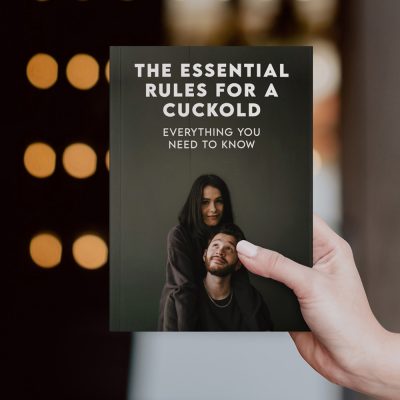
The fantasy is surrender. The reality is often shame that eats you alive. That gut-wrenching drop when the humiliation feels too real isn't part of the game. It is a warning that your psyche is cracking. Without a safety net, you aren't playing. You are traumatizing yourself.
The Essential Rules replaces reckless degradation with calculated intensity. We provide the contracts, vetting protocols, and aftercare scripts needed to explore the edge without falling off. Don't let a scene become a permanent scar.
What is intersectionality
Intersectionality is a way of understanding how different parts of a person s identity overlap and influence their experiences. The concept was developed to explain how race, gender, sexuality, class and other identities interact to create unique forms of privilege and disadvantage. In everyday life this means two people might share a label but have very different experiences because of how their other identities interact with that label. In the Hotwife ENM space intersectionality matters because sexual communities do not exist in a vacuum. They are shaped by culture, history, power, stigma and personal backgrounds.
Why intersectionality matters in Hotwife ENM
When you bring identity into the conversation you build a more honest map of what is working and what is not. Consider these ideas:
- Power dynamics shift when identities differ. A partner who is expected to do most of the emotional labor may find themselves navigating additional burdens if their race or religion is central to how they are perceived.
- Privilege and marginalization can appear as micro actions that accumulate over time. A single comment may sting more because it taps into larger social patterns.
- Communication needs adapt. What feels safe and respectful to one person may feel risky or misread to another. Clear language and consent rituals become essential tools.
- Safety includes both physical safety and emotional safety. People with different access needs may require different boundaries or accommodations in dating, communication, and negotiation.
Identity intersections that show up in Hotwife ENM
Race and ethnicity
Racial and ethnic identities can shape the way desires are framed and the way experiences are interpreted. Some couples worry about fetishization or exoticization. Others may encounter stereotypes about sexual behavior tied to a race. The risk is real if a partner uses a partner s identity as a sexual prop rather than as a person with feelings and boundaries. The antidote is explicit consent, ongoing check ins, and a commitment to listening and adjusting when a partner expresses discomfort. A healthy dynamic treats race as one part of a person s full identity and avoids reducing a person to a stereotype or a fetish.
Gender and sexuality
Gender identity and sexual orientation influence how people show up in a hotwife dynamic. The experience of being a cis woman versus a trans woman, or a nonbinary partner, can change how a person is perceived and how safe they feel. People may also negotiate how pronouns are used, how partners address each other in intimate spaces, and how gendered dynamics play into power sharing. An inclusive approach centers consent and respect for someone s gender identity and sexual orientation at every step. It also means ensuring that all parties feel heard when boundaries are set and renegotiated.
Religion and culture
Religious beliefs and cultural backgrounds shape comfort levels with sex, public displays of intimacy, and the role of a partner within a family system. In some faith traditions there are clear boundaries around sex outside of marriage or within nontraditional arrangements. In others there may be strong community stigma about nonmonogamy. Navigating these spaces requires sensitivity, patience, and often clear family level conversations. It helps to separate spiritual or cultural values from personal desires and to find a shared ground that respects faith while honoring consent and safety for everyone involved.
Age and life stage
Age can influence energy levels, communication styles, and life goals. A couple with a significant age difference may approach risk, risk perception, and boundaries differently. Younger partners might feel invisible or face pressure to perform, while older partners may have established patterns that new experiences must respect. The key is to discuss expectations openly and to avoid putting one partner in a position where they feel they must prove themselves because of age.
Disability and accessibility
Disability and accessibility shape how people navigate social spaces, physical intimacy, and information sharing. A partner with mobility limitations or sensory processing differences may require changes to the environment or the cadence of conversations. People with disabilities deserve the same respect, consent and autonomy in ENM as anyone else. Discussions around accessibility should be part of the ongoing negotiation and not treated as an afterthought.
Language, communication styles, and immigration status
Language barriers or differences in communication styles can complicate negotiations. Non native speakers may need more time to process information or prefer written agreements as well as spoken conversations. Immigration status can add layers of concern about safety, stigma, or family repercussions. Creating space for multilingual discussions and offering written summaries of agreements helps everyone feel safe and included.
Common challenges and how to handle them
When identities are diverse there are bound to be moments of tension. Here are some typical scenarios and constructive ways to respond:
- Feeling tokenized or invisible. If a partner feels that their identity is being used as a performance, pause the conversation and explicitly name the feeling. Revisit boundaries and ask what would make the experience feel more respectful.
- Fear of public stigma. If community norms around race, religion or culture conflict with a dynamic, create a plan for how to discuss privacy and boundaries with others. Decide together what to share publicly and what to keep private.
- Unbalanced emotional labor. If one partner ends up doing most of the talking or planning, redistribute tasks and check in about energy levels. Acknowledge how life stage or identity might affect capacity for processing conversations.
- Consent drift. Boundaries may evolve. Treat consent as an ongoing process not a one time checkbox. Regularly ask for confirmation and be prepared to pause if someone feels uncertain.
- Jealousy rooted in identity. Do not dismiss feelings as simply insecurity. Learn what aspect of identity is being triggered and explore ways to address it through confidence building, reassurance, or changing the negotiation where needed.
Practical frameworks for inclusive communication
Clear communication is the backbone of any ethical nonmonogamy arrangement. Here are practical tools you can adopt to keep the conversation honest and respectful.
- Explicit consent rituals. Use direct language to confirm boundaries before interactions. For example say I am comfortable with this level and I would like to proceed if you both feel the same way. Then pause for a response.
- Regular check ins. Schedule brief reviews of how the arrangement is working. Ask questions like What is working for you right now and what would you like to change.
- Ground rules for behavior. Agree on how to talk about people s identities during conversations. Decide on language to use when addressing sensitive topics and set expectations for respectful discourse.
- Written summaries of agreements. In addition to verbal agreements maintain a shared document with each person s boundaries, safety needs, and any cultural or spiritual considerations that matter.
- Response plan for discomfort. Agree on a plan for pausing an interaction or stepping back when emotions rise. Identify a person who can facilitate the de escalation if needed.
Realistic scenarios and sample dialogue
In everyday life there is no script. Here are some realistic dialogue samples that show how to navigate diversity in a hotwife ENM setup. Use them as starting points and customize for your own identities and relationships.
Scenario 1: A Black cisgender woman and a white partner dealing with fetishization concerns
Alice is a Black woman who is dating within a hotwife ENM framework with her husband James. They love honest talk and want to protect her dignity. James notices a tendency to comment on her body in a way that feels like objectification rather than appreciation. He speaks first to acknowledge the problem and then to rebuild trust.
Dialogue:
James: I want to check in about something I noticed. When we talk about your experiences with others I want to make sure I am not turning you into a fantasy or a prop. I care about you as a person first.
Alice: Thank you for bringing that up. I do feel seen and respected when the focus is on who I am and how I feel about the experiences. Could we set a rule that no one makes comments about my body or my race during any encounter?
James: Absolutely. Your body is yours and your identity is yours to share on your own terms. We will keep the conversations respectful and we will pause if anything feels demeaning or sexualized beyond what we agreed.
Scenario 2: A Muslim woman negotiating modesty and consent within ENM
Samira grew up with strong community norms around modesty and family expectations. Her partner Malik wants to explore ENM but Samira wants to maintain certain boundaries for her religious or cultural comfort. They discuss boundaries openly and create a plan that honors her values while still pursuing exploration.
Dialogue:
Malik: I want us to explore this but I also want to honor your beliefs. What are the lines you want me to stay within and how would you like us to handle external conversations?
Samira: I appreciate that. I would like to keep public spaces comfortable and avoid overtly sexualized language in communities that we share. I am comfortable with private encounters with clear consent and a shared understanding of what is permissible.
Malik: Let us create guidelines that reflect both our values. We can use word choices that feel respectful and check in after each experience to ensure we both feel good about moving forward.
Scenario 3: Trans and nonbinary partners navigating pronouns and boundaries
Alex, a nonbinary partner, and Kai, their partner, are in a hotwife ENM dynamic. They work on pronoun use, color coded boundaries, and inclusive language during all conversations and encounters.
Dialogue:
Kai: I want to make sure we use your pronouns correctly and we keep your safety as the priority. How would you like me to address you when we talk about the experiences?
Alex: I prefer they them pronouns and I want to be invited into conversations about every step. I want you to describe partners with neutral language and avoid gender stereotypes.
Kai: We can do that. I will ask for consent in a direct way and we will pause if anything feels off. This is about us growing together with respect for your identity.
Scenario 4: A disabled partner seeking accessible communication in ENM
Priya uses a wheelchair and has sensory processing differences. Her partner Mateo wants to explore ENM but Priya emphasizes accessibility in communication and space. They craft a plan that works for their daily realities and emotional needs.
Dialogue:
Mateo: I want to keep this accessible for you. If there is anything about how we talk or plan that could be tiring or confusing, tell me and we will adjust.
Priya: Thank you. Written summaries help me process. I would also like clear cues for when conversations shift and a slower pace for any planning sessions. We will check in midweek and adjust as needed.
Ethical considerations and safety
Ethical nonmonogamy is built on consent, respect, and ongoing negotiation. When identities vary widely across participants those principles become even more important. Here are key ideas to keep in mind:
- Consent is ongoing. A person may revoke or adjust boundaries at any time. Treat every new encounter as a fresh consent moment even if previous agreements exist.
- Hold space for marginalized identities. When a partner expresses discomfort rooted in race, religion, gender identity or disability, listen deeply and adapt your approach with care.
- Avoid fetishization. Identity based fetishization harms trust. Focus on the whole person and invite them to set boundaries about what feels comfortable for them.
- Champions for equity. Distribute emotional labor and decision making. The strongest hotwife ENM arrangements share the load and let everyone contribute ideas and safety measures.
- Education and reflection. Regularly read, listen, and learn about the experiences of people with different identities. Growth is part of every long term relationship.
Tips for partners and communities
Building inclusive spaces requires practical habits. Here are ideas you can apply right away:
- Use inclusive language. Ask people how they would like to be addressed and which terms they prefer for their identities and bodies.
- Develop safety nets. Create a plan for stopping a conversation or a date if a boundary feels crossed. Have a trusted friend or partner who can mediate if needed.
- Center consent in every interaction. Do not assume that past agreements cover future encounters. Revisit boundaries frequently and invite updates.
- Make space for feedback. Invite honest feedback after experiences and take it seriously even if it is hard to hear.
- Provide accessible resources. If a partner has a disability or language barrier, offer written materials and simple, direct explanations that are easy to process.
- Respect privacy. Some identities and experiences may be sensitive within families or communities. Approach conversations with care and verify when it is safe to share information.
Glossary of useful terms and acronyms
- ENM Ethical nonmonogamy a relationship style based on consent and ongoing negotiation of multiple intimate relationships.
- Hotwife A wife or partnered woman who has sexual encounters outside her primary relationship with the knowledge and consent of her partner.
- Bull A term used for the man who has a sexual relationship with the hotwife, often described as a dominant or desirable partner for that encounter.
- Cuckold A partner in a hotwife ENM dynamic who may derive arousal from the wife s external relationships or may be referred to by others in this way; the term can carry stigma and should be used with consent and awareness.
- Privilege Advantages that come from social identities such as race, gender, or class that can influence experiences in intimate spaces.
- Stigma Social disapproval based on identity or behavior that can shape how a person experiences the dynamic.
- Microaggression Small, often unintentional comments or actions that convey bias or stereotypes about a protected group.
- Ongoing consent The understanding that consent must be confirmed continually as feelings and boundaries evolve.
Frequently asked questions
The fantasy is electric. The reality? It can feel like holding a grenade with the pin pulled. That gnawing fear that you might lose her isn't paranoia, it’s a warning. Without a battle-tested strategy, you aren't just exploring; you’re gambling with the most important thing in your life.
The Essential Guide replaces the terrifying unknown with ironclad structure. From managing primal jealousy to setting unbreakable boundaries, we provide the safety manual required to walk through the fire without getting burned. Don't guess. Know.
The fantasy is intoxicating. The reality? It can be terrifying. That sickening drop in your stomach when she leaves isn't just nerves; it's the fear of the unknown threatening everything you’ve built. Don't let vague agreements become grounds for disaster. You need structure before the chaos hits.
The Hotwife Contract Creator transforms your deepest anxieties about safety, emotions, and "going too far" into a rock-solid, signed agreement. Silence the jealousy and lock down your safety net so you can actually survive the thrill.
The fantasy is incredible, but the logistics can tear you apart. That sickening knot of anxiety you feel when she leaves isn't weakness; it's your brain warning you that you're flying without a safety net. Ambiguity is the oxygen that jealousy breathes. Don't let undefined "gray areas" become the reason your marriage implodes.
The Official Hotwife Rules Generator doesn't just list acts; it builds a protective fortress around your relationship. Get the concrete roadmap you need to ensure this high-stakes adventure doesn't turn into a disaster.
The fantasy is intoxicating. The reality? It can be a psychological car crash. That gut-wrenching drop when the bedroom door locks you out isn't just nerves, it’s a warning. 90% of men love the porn but crumble under the visceral weight of actual exclusion and emotional coldness.
This test drags your ego into the harsh light of day. We measure your resilience against the specific triggers that destroy marriages. Are you a true Cuckold or just a Tourist about to self-destruct? Check your ego before you wreck your life.
The fantasy is a rush, but the reality is a razor’s edge. That sickening drop when "humiliation" stops being a game and starts destroying his self-worth isn't a risk. It is the end of your marriage. Confusing "Stag" pride with "Cuckold" degradation is the fastest way to trauma.
This tool drags your hidden desires into the light. Pinpoint exactly where the fun stops and the pain begins, from gentle teasing to hard exclusion. Define your limits now before a misunderstanding becomes a permanent scar.
The fantasy is surrender. The reality is often shame that eats you alive. That gut-wrenching drop when the humiliation feels too real isn't part of the game. It is a warning that your psyche is cracking. Without a safety net, you aren't playing. You are traumatizing yourself.
The Essential Rules replaces reckless degradation with calculated intensity. We provide the contracts, vetting protocols, and aftercare scripts needed to explore the edge without falling off. Don't let a scene become a permanent scar.
