
Managing Childcare and Family Logistics


Running a household that involves ethical non monogamy or ENM can feel exhilarating and complicated at the same time. When the dynamic centers on a hotwife a wife or partner may date others with the knowledge and sometimes involvement of her husband or partner. The logistics of childcare and family life still need to hum along smoothly. This guide is here to help you map out practical strategies so the family runs like clockwork while respecting everyone involved. We will break down terms and acronyms so nothing feels confusing and we will offer real world scenarios that you can adapt to your own situation.
Quick Links to Useful Sections
- What this guide covers
- Key terms and acronyms explained
- How the hotwife ENM dynamic affects family logistics
- Practical scheduling strategies
- Shared calendars and planning
- Co parenting communications
- Ground rules and boundaries
- Child safety and age appropriate conversations
- Back up childcare options and contingency planning
- Safety and health considerations
- Navigating social events and date nights
- Financial planning and transparency
- Stories and scenarios you can adapt
- Scenario 1 A weekend away with a trusted caregiver
- Scenario 2 A midweek date with a same day school pick up
- Scenario 3 A long weekend trip with a combined family schedule
- Common mistakes and how to avoid them
- Tools and templates you can use
- Glossary of useful terms and acronyms
- Frequently asked questions
What this guide covers
This article focuses on practical ways to manage childcare and family logistics when a hotwife ENM dynamic is part of your life. It covers communication strategies boundaries scheduling backup plans money and safety. It is written for adults in households with children or dependents who want to maintain stability while exploring open relationship practices. You will find explanations for common terms used in ENM and a glossary you can reference quickly. You will also see realistic scenarios that illustrate how to apply the ideas in everyday life.
Key terms and acronyms explained
Understanding terminology helps reduce confusion and underscores consent and respect. Here are the terms we will use frequently in this guide.
- ENM Ethical non monogamy. A relationship approach where all involved parties agree to non exclusive dating or sexual relationships.
- Hotwife A married or partnered woman who has sexual encounters with other partners with the knowledge or involvement of her spouse or primary partner.
- Primary partner The person who is the central relationship in a household or block of time within ENM arrangements.
- Secondary partner A partner who is not the primary but is involved in the ENM arrangement.
- Cuckold A term used in some ENM contexts to describe a partner who experiences arousal or pride from their partner dating others. Some people prefer not to use this term because it carries specific connotations.
- Cuckquean The female counterpart to cuckold in certain dynamics. As with cuckold language some people avoid this term for sensitivity reasons.
- NRE New relationship energy. The excitement and intensity that comes with a new partner or new relationship phase.
- Compersion Feeling happiness for your partner when they experience joy with another person.
- Boundaries Explicit agreements about what is allowed and what is not in the relationship and in family life.
- Transparent communication Honest sharing of thoughts feelings limits and concerns to keep everyone safe and informed.
- Consent Permission given freely by all parties involved for any activities or arrangements.
- STI Sexually transmitted infection. Testing and safe sex practices are important in ENM to protect everyone involved.
- Back up childcare A plan that covers times when usual care is unavailable such as illness or scheduling conflicts.
- Co parenting Working together to raise children even when romantic boundaries with adults differ from prior arrangements.
If you see a term you do not recognize feel free to ask for a quick explanation. Clear language helps prevent misunderstandings which is essential when children are part of the equation.
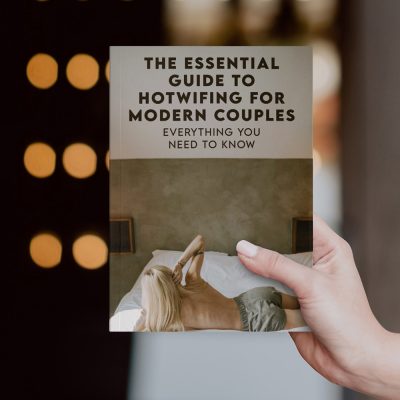
The fantasy is electric. The reality? It can feel like holding a grenade with the pin pulled. That gnawing fear that you might lose her isn't paranoia, it’s a warning. Without a battle-tested strategy, you aren't just exploring; you’re gambling with the most important thing in your life.
The Essential Guide replaces the terrifying unknown with ironclad structure. From managing primal jealousy to setting unbreakable boundaries, we provide the safety manual required to walk through the fire without getting burned. Don't guess. Know.

The fantasy is intoxicating. The reality? It can be terrifying. That sickening drop in your stomach when she leaves isn't just nerves; it's the fear of the unknown threatening everything you’ve built. Don't let vague agreements become grounds for disaster. You need structure before the chaos hits.
The Hotwife Contract Creator transforms your deepest anxieties about safety, emotions, and "going too far" into a rock-solid, signed agreement. Silence the jealousy and lock down your safety net so you can actually survive the thrill.

The fantasy is incredible, but the logistics can tear you apart. That sickening knot of anxiety you feel when she leaves isn't weakness; it's your brain warning you that you're flying without a safety net. Ambiguity is the oxygen that jealousy breathes. Don't let undefined "gray areas" become the reason your marriage implodes.
The Official Hotwife Rules Generator doesn't just list acts; it builds a protective fortress around your relationship. Get the concrete roadmap you need to ensure this high-stakes adventure doesn't turn into a disaster.

The fantasy is intoxicating. The reality? It can be a psychological car crash. That gut-wrenching drop when the bedroom door locks you out isn't just nerves, it’s a warning. 90% of men love the porn but crumble under the visceral weight of actual exclusion and emotional coldness.
This test drags your ego into the harsh light of day. We measure your resilience against the specific triggers that destroy marriages. Are you a true Cuckold or just a Tourist about to self-destruct? Check your ego before you wreck your life.

The fantasy is a rush, but the reality is a razor’s edge. That sickening drop when "humiliation" stops being a game and starts destroying his self-worth isn't a risk. It is the end of your marriage. Confusing "Stag" pride with "Cuckold" degradation is the fastest way to trauma.
This tool drags your hidden desires into the light. Pinpoint exactly where the fun stops and the pain begins, from gentle teasing to hard exclusion. Define your limits now before a misunderstanding becomes a permanent scar.

The fantasy is surrender. The reality is often shame that eats you alive. That gut-wrenching drop when the humiliation feels too real isn't part of the game. It is a warning that your psyche is cracking. Without a safety net, you aren't playing. You are traumatizing yourself.
The Essential Rules replaces reckless degradation with calculated intensity. We provide the contracts, vetting protocols, and aftercare scripts needed to explore the edge without falling off. Don't let a scene become a permanent scar.
How the hotwife ENM dynamic affects family logistics
The core difference in this dynamic is that adults navigate romance and intimacy with a high level of openness while still prioritizing the welfare of children. The reality is that planning for child care schedules social events and daily routines becomes more complex when there are multiple adult timelines. The following ideas help you keep the family organized without sacrificing the core values of respect consent and safety.
- Communication determines rhythm Regular honest conversations about plans and feelings help prevent last minute chaos. Create a routine for sharing upcoming dates class schedules family events and important changes.
- Clear boundaries protect kids Always shield children from adult conversations about sexual activities or intimate details. Children should never be exposed to explicit content or adult conflicts that do not involve their safety or well being.
- Safety is non negotiable Safety covers both physical safety during activities and emotional safety when children are present. Establish agreed on safety practices and respect signals for stepping back when needed.
- Consistency matters Children benefit from predictable routines even when adult lives involve changes. Strive to keep core routines like meals bedtimes and school mornings steady as much as possible.
- Documentation helps everyone Shared calendars checklists and notes make it easier to coordinate babysitting schedules transportation and overnight plans.
Practical scheduling strategies
One of the biggest stress points in a hotwife ENM household is aligning multiple adult calendars with school calendars sports practice and extra curricular activities. Below are strategies that reduce friction and keep the family wheels turning smoothly.
Shared calendars and planning
Start with a centralized calendar that all adults in the household can access. A digital calendar with color coded events makes it easy to understand who is contributing what and when. Include the following types of entries separate color codes for easy scanning.
- School and activity timelines School events sports practices music lessons after school care and holiday schedules. These set the backbone of daily life.
- Date nights and ENM events Plan adult only events with sufficient lead time. Note whether children will be with you or with a caregiver during these times.
- Backup childcare Include contact details for babysitters grandparents or trusted friends. Mark availability and any special notes like allergies or routines.
- Travel and overnight plans If one or more adults will be away overnight for work or personally meaningful events note travel times and who will cover caregiving duties.
Make it a habit to review the calendar at a weekly family meeting. This keeps everyone in the loop and creates space for questions or adjustments. The goal is to prevent last minute scrambles and to respect everyone’s responsibilities.
Co parenting communications
Healthy ENM arrangements still prioritize the children. Co parenting in this context means clear documentation and mutual respect even when adult relationships are fluid. Consider these practices.
- Joint decision making For major decisions such as changes to bedtime routines or vacations involve both parents when possible. If one parent is unavailable use a documented process to reach a fair conclusion quickly.
- Privacy with children Create a boundary that keeps adult dating information away from kids. Children do not need to know about the dating life beyond what is necessary for family safety and stability.
- Consistency in rules Align on core rules related to screen time curfews and safety guidelines to avoid sending mixed messages.
- Open lines for conflicts If disagreements arise use a pre agreed method to resolve them without escalating in front of children. Consider a calm discussion with a mediator if needed.
Ground rules and boundaries
Boundaries are the glue that holds ENM and family life together. They protect children from uncomfortable situations and ensure all adults know what to expect. Here are some practical boundaries to discuss.
- Disclosure level Decide how much information about adult dating is appropriate to share with children of different ages. Younger children need nothing about dating details.
- Time boundaries Set limits on late night activities or overnight stays when children are involved. If an event runs late arrange a safe way to get everyone home without disrupting children the next day.
- Location boundaries Determine if adult activities can be hosted at home in front of children or should be kept away from home space. In many cases it is better to avoid hosting sexual activities at home where kids live.
- Contact boundaries Clarify acceptable communication channels with partners outside the household. This helps reduce noise and confusion for children and other family members.
Child safety and age appropriate conversations
Children deserve safety and stability. Treat their well being as the priority. You can explain that families sometimes have different relationships and that all adults in their life are committed to their care and safety. Here are guidelines to keep in mind.
- Age appropriate explanations Tailor explanations to the child s age. Younger children need simple statements about safety and routines. Older children can handle more nuance about consent and respect in relationships.
- Protect privacy Do not disclose intimate details about dating partners or sexual activities. Keep focus on who helps with homework who makes meals and who picks them up at the end of the day.
- Reassurance Regular reassurance about love and safety helps children feel secure even as adult dynamics shift. Make a point to say that all adults are on the same team for the kids well being.
- Safety drills and routines Maintain or adapt safety routines such as after school pickup rules and how to contact a caregiver in an emergency. Children should always know what to do if a caregiver is late or unavailable.
Back up childcare options and contingency planning
Unexpected changes happen. The best way to handle them is to have solid backup plans. Use a tiered approach with several layers of coverage so you are never scrambling.
- Family and friends Close family members or trusted friends can often provide last minute coverage. Build a roster and confirm expectations in advance.
- Nannies and babysitters Maintain a network of reliable sitters. Having a few go to options reduces the risk if one person is unavailable.
- School based options Some schools offer after care programs or community run programs after hours. Enroll in these programs when possible to provide dependable support.
- Swap and share If you have another couple or family in a similar situation consider swapping childcare on certain weekends to support each other s needs.
Safety and health considerations
Health and safety extend beyond physical safety. In ENM families you should consider protection against infections and the emotional safety of children and adults alike.
- STI testing Regular STI screening for all sexually active adults helps protect everyone. Discuss testing frequency and privacy expectations with your partner.
- Contraception If pregnancy is a possibility discuss contraception methods and plans with all parties involved. Clarify who is responsible for costs and who will handle medical visits when relevant.
- Safe sex practices Use barrier methods where appropriate and follow best practices to reduce risk. Share information about methods in a non judgemental way.
- Emotional safety Check in on emotions regularly. JEALOUSY can surface in ENM scenarios. Compersion is the positive feeling you get when your partner thrives with someone else. Both responses are valid and deserve acknowledgement and care.
Navigating social events and date nights
Social events including date nights require planning that respects children s routines while allowing adults to connect. Here are strategies to balance the social and the family needs.
- Plan in advance Schedule adult only events with enough time for everyone to arrange child coverage. Avoid last minute changes that cascade into stress for the kids.
- Choose child friendly venues when possible If an event involves many adults and kids consider venues with appropriate child care options or safe play areas.
- Be mindful of NRE New relationship energy can be intense. Recognize when you need to step back and prioritize family routines over exciting late night plans.
- Transparent but discreet Communicate plans to co parents but avoid sharing intimate details with children or others who do not need to know.
Financial planning and transparency
Open financial communication reduces stress and builds trust. ENM households sometimes see variable costs for dating activities child care and travel. You can manage this with clear agreements and fair practices.
- Shared budget for household expenses Maintain a central budget for groceries housing utilities and routine care. Keep it consistent to minimize tension.
- Caregiving costs If you hire babysitters or pay for after care programs factor these costs into the budget and plan for fluctuations.
- Dating and travel expenses Be upfront about who pays for dating related activities and how you allocate funds for travel if needed. Create boundaries that feel fair to everyone involved including children who may overhear conversations.
- Emergency fund Maintain an emergency fund to cover unexpected childcare gaps or schedule changes without disrupting essential family needs.
Stories and scenarios you can adapt
Real life examples help illustrate how these ideas work in practice. The following scenarios are fictional but grounded in common situations faced by hotwife ENM households with children. Use them as templates to shape your own plans.
Scenario 1 A weekend away with a trusted caregiver
Maria and Jake are a couple with two kids aged seven and nine. Maria is a hotwife in an ENM arrangement with clear boundaries and an open line of communication with Jake. For a weekend away Maria has a pre planned schedule that keeps the children in their routine as much as possible. Grandparents live nearby and can supervise Friday evening Saturday overnight and Sunday morning. A backup babysitter is lined up for emergencies. The calendar clearly marks who will pick up the kids on Friday and Saturday and who will handle Sunday morning routines. Maria discusses the plan with the kids in a general sense focusing on safety routines rather than the dating aspect. The result is a smooth weekend with minimal disruption to the children and a meaningful adult experience for the couple.
Scenario 2 A midweek date with a same day school pick up
Alex and Sam coordinate a midweek date near the end of school with the kids finishing early. They arrange a trusted babysitter to pick up the children from school and stay with them until a family member arrives. The calendar notes the exact time and contact numbers for the caregiver. They share a brief overview with the children that introduces the concept of adults enjoying time with people outside the family in a positive and respectful way. The goal is to maintain routine after school activities while giving the parents room to nurture their relationship in a healthy way.
Scenario 3 A long weekend trip with a combined family schedule
In this scenario a group of couples share a weekend trip to a nearby retreat. The trip includes planned family time such as nature walks and a shared meal as well as adult only evenings. The childcare plan includes multiple backup caregivers and clear transportation arrangements. In the days leading up to the trip everyone communicates expectations and reviews safety protocols. After the trip the group meets to debrief and to note any improvements for future outings. The children experience a sense of belonging and stability while the adults gain time for connection and reflection.
Common mistakes and how to avoid them
Even with the best intentions mistakes happen. Here are frequent missteps and practical fixes you can use to keep your family life on track.
- Over sharing with kids Do not discuss dating details with children. Keep conversations at a level appropriate for their age and always prioritize their safety and emotional well being.
- Under communicating among adults Delay in sharing plans can create confusion and stress. Use the weekly family meeting to align everyone and document decisions so nothing falls through the cracks.
- Lack of backup plans When child care falls through the household can become chaotic. Build multiple layers of coverage so nothing disrupts essential routines.
- Ignoring boundaries When boundaries are not respected trust erodes. Revisit boundaries regularly and adjust them as needed based on what works for the family.
- Unclear financial arrangements Money matters can create tension if not addressed. Keep a simple budget and review it together on a regular basis.
Tools and templates you can use
Having practical tools helps you stay organized and consistent. Here are ready to adapt templates you can print or copy into your own documents.
- Weekly planning checklist A simple checklist includes dates times childcare coverage meal plans and school activities. Use it each week to keep everyone aligned.
- Backup care roster Create a list of trusted caregivers with contact details and preferred times. Review quarterly and update any changes.
- Boundaries agreement Write down the boundaries you all agree on including disclosure level schedules and privacy expectations. Have everyone sign digitally or in writing.
- Conversation scripts Scripts help when you need to discuss difficult topics with a partner regarding scheduling or privacy. Keep the language respectful and direct.
Glossary of useful terms and acronyms
- ENM Ethical non monogamy a relationship practice that involves openness and consent among all adults involved.
- Hotwife A wife or female partner who has sexual experiences with others with knowledge or involvement of her husband or primary partner.
- Primary partner The main partner in an ENM arrangement.
- Compersion The feeling of joy when your partner experiences happiness with another person.
- NRE New relationship energy the excitement that comes with a new relationship or encounter.
- Boundaries Rules set by adults to protect emotional safety at home and in dating life.
- Disclosure level How much information about dating is shared with children and other family members.
- STI Sexually transmitted infection testing and prevention measures are important for health and safety.
- Backup childcare A plan that provides care when the usual caregiver is unavailable.
If any term is unclear you can ask for a quick explanation and we will tailor it to your situation with practical examples.
Frequently asked questions
What is ENM and how does it apply to family life with kids?
Ethical non monogamy is a relationship approach based on consent openness and honest communication. In a family with children ENM means adult partners negotiate boundaries and routines that safeguard kids safety and stability while allowing adult relationships to unfold in a respectful way.
How do we start discussing childcare while engaging in ENM?
Begin with the shared goal of keeping children safe and supported. Create a planning calendar decide on who covers care and how to communicate changes. Keep conversations calm and solution focused and avoid sharing intimate details with children.
What should we tell our kids about dating outside the family?
Provide a simple age appropriate explanation that adults have relationships with other adults and that love and care for the children remain constant. Emphasize privacy and safety and never expose them to adult conversations about sex.
How can we handle jealousy in a household with multiple adults and dating?
Jealousy is natural in ENM settings. Use regular check ins with your partner and practice compassionate communication. Compersion is the goal where you feel happy for your partner s joy. If jealousy becomes disruptive revisit boundaries and consider professional guidance if needed.
How do we plan for backup childcare without creating stress for kids?
Build a roster of trusted caregivers and plan early for events that may require coverage. Have clear pickup times and emergency contacts. Ensure all caregivers know the family routines and safety expectations.
What about finances when dating outside the primary relationship?
Discuss budgets for dating travel and childcare openly. Create a simple plan that allocates funds for household needs and for elective adult activities. Revisit the plan periodically to adapt to changing circumstances.
How do we handle safety and health in an ENM family?
Prioritize regular STI testing and safe sex practices. Keep kids away from sexual details and ensure that all adults follow consent and safety norms. Maintaining a clean and respectful home environment supports emotional safety too.
What is the best way to talk to a partner about boundaries and expectations?
Using a calm non accusatory style helps a lot. Start with your needs and feelings then invite your partner to share theirs. Record decisions so everyone knows what is expected and when and where things apply.
The fantasy is electric. The reality? It can feel like holding a grenade with the pin pulled. That gnawing fear that you might lose her isn't paranoia, it’s a warning. Without a battle-tested strategy, you aren't just exploring; you’re gambling with the most important thing in your life.
The Essential Guide replaces the terrifying unknown with ironclad structure. From managing primal jealousy to setting unbreakable boundaries, we provide the safety manual required to walk through the fire without getting burned. Don't guess. Know.
The fantasy is intoxicating. The reality? It can be terrifying. That sickening drop in your stomach when she leaves isn't just nerves; it's the fear of the unknown threatening everything you’ve built. Don't let vague agreements become grounds for disaster. You need structure before the chaos hits.
The Hotwife Contract Creator transforms your deepest anxieties about safety, emotions, and "going too far" into a rock-solid, signed agreement. Silence the jealousy and lock down your safety net so you can actually survive the thrill.
The fantasy is incredible, but the logistics can tear you apart. That sickening knot of anxiety you feel when she leaves isn't weakness; it's your brain warning you that you're flying without a safety net. Ambiguity is the oxygen that jealousy breathes. Don't let undefined "gray areas" become the reason your marriage implodes.
The Official Hotwife Rules Generator doesn't just list acts; it builds a protective fortress around your relationship. Get the concrete roadmap you need to ensure this high-stakes adventure doesn't turn into a disaster.
The fantasy is intoxicating. The reality? It can be a psychological car crash. That gut-wrenching drop when the bedroom door locks you out isn't just nerves, it’s a warning. 90% of men love the porn but crumble under the visceral weight of actual exclusion and emotional coldness.
This test drags your ego into the harsh light of day. We measure your resilience against the specific triggers that destroy marriages. Are you a true Cuckold or just a Tourist about to self-destruct? Check your ego before you wreck your life.
The fantasy is a rush, but the reality is a razor’s edge. That sickening drop when "humiliation" stops being a game and starts destroying his self-worth isn't a risk. It is the end of your marriage. Confusing "Stag" pride with "Cuckold" degradation is the fastest way to trauma.
This tool drags your hidden desires into the light. Pinpoint exactly where the fun stops and the pain begins, from gentle teasing to hard exclusion. Define your limits now before a misunderstanding becomes a permanent scar.
The fantasy is surrender. The reality is often shame that eats you alive. That gut-wrenching drop when the humiliation feels too real isn't part of the game. It is a warning that your psyche is cracking. Without a safety net, you aren't playing. You are traumatizing yourself.
The Essential Rules replaces reckless degradation with calculated intensity. We provide the contracts, vetting protocols, and aftercare scripts needed to explore the edge without falling off. Don't let a scene become a permanent scar.
