
Motivations of the Wife


Welcome to The Monogamy Experiment where we break down tricky relationship dynamics without the mystery fog. Today we are diving into the hotwife ENM dynamic and specifically looking at what motivates the wife in this setup. We will explain terms, share realistic scenarios, offer practical negotiation tips, and keep things grounded. If you are curious about why a wife might want to explore external connections within an ethical non monogamy framework this guide is for you. We will keep the convo human and useful not theoretical fluff.
Quick Links to Useful Sections
- What is the hotwife ENM dynamic
- Core motivations for wives in this dynamic
- Autonomy and agency
- Sexual curiosity and desire for novelty
- Validation and self worth
- Empowerment and boundary setting
- Adventure and play
- Relationship maintenance and non replacement mindset
- How motivation shapes negotiation and boundaries
- Communication practices that support motivation
- Boundaries and agreements that reflect motivations
- Managing jealousy and insecurity
- Reassurance and emotional safety
- The partner s role in this dynamic
- The dynamic of mutual respect and ongoing consent
- Realistic scenarios and practical storytelling
- Starter conversations about curiosity
- Addressing fears before they become problems
- Negotiating time and attention
- Handling a first dating encounter with care
- Keeping friends and family out of the loop
- Common myths and misperceptions
- Practical steps for wives exploring ethically
- Glossary of useful terms and acronyms
- Real world perspectives from the front lines
- Resources and further reading
- Frequently asked questions
- Meta description
What is the hotwife ENM dynamic
Let us start with some plain language definitions so we all speak the same language. A hotwife is a wife or long term partner who has sexual relationships with other people with the knowledge and often the participation of her husband or primary partner. ENM stands for ethical non monogamy a broad umbrella term for relationship styles where more than two people participate in romantic or sexual connections with consent and open communication. In a hotwife dynamic the emphasis is often on the wife’s sexual agency within a framework of agreed rules. Some couples call this a cuckold element when a partner is aware of or involved in the dynamics but that term can carry loaded connotations so we will use neutral language and keep the focus on consent and emotional safety. The goal is not chaos but clarity. The aim is to create a space where both partners feel seen heard and respected while exploring desires that have long lived in the shadows of conventional monogamy.
Key terms you might see when talking about hotwife ENM include compersion which is feeling pleasure from your partner s happiness even when it does not involve you jealousy which is a normal feeling that can be navigated with skills negotiations boundaries and reassurance and safe sex practices which protect everyone involved. If any term feels unfamiliar take a moment to ask for a plain language explanation. We explain acronyms and terms in every section so you can follow along without needing a glossary in your pocket.
Core motivations for wives in this dynamic
Motivation is personal and layered. A wife exploring hotwife ENM is not reacting to a single push factor. There are emotional practical and relational drivers at play. Below we break them down into clear categories with real world relevance.
Autonomy and agency
One of the strongest motivations is reclaiming personal autonomy within a long term bond. In many marriages the couple has built a life around shared routines and expectations. A wife may feel that her own sexual identity has been tucked away or defined by the partner s fantasies rather than her own. The hotwife dynamic can offer a path back to agency a sense that she owns her body her desires and her boundaries. Autonomy in this sense means choice it means the capacity to decide when where and with whom to connect and most importantly it means being trusted to make those decisions without fear of shaming or punishment. autonomy does not equal disregard for the relationship it is a stance that says I own my choices and I want to explore them with a partner who respects that ownership.
Sexual curiosity and desire for novelty
Humans are curious creatures and sexual curiosity is a powerful driver. The wife in a hotwife ENM dynamic may want to explore different body types, different dynamics, different forms of intimacy, or simply the feeling of being desired by others. novelty can refresh a comfort zone that has grown predictable. This motivation is about play and exploration not reckless risk taking. It often comes with careful planning and communication to ensure everyone involved feels excited not pressured or used. Embracing novelty with consent creates a sense of vitality that couples can carry back into their shared life.
Validation and self worth
Validation matters. In some cases a wife may seek positive affirmation outside the marriage to remind herself of her value and desirability. This does not imply that the marriage lacks love or care. It can be a way to see herself through a different lens to hear that she is a whole person with a magnetic energy that others notice. When handled well validation is not about replacing the partner s love but about expanding the emotional map of who she is. It is important that validation from others is not treated as a replacement for the emotional work that happens inside the marriage. The goal is to complement not to substitute.
Empowerment and boundary setting
Empowerment goes hand in hand with autonomy. A wife may set clear boundaries and test them in real life experiences. This is a positive form of empowerment where she proves to herself that she can articulate needs and hold space for her boundaries. In practice this means negotiating safe words boundaries around time contact or emotional checks in. It also means deciding what is off limits such as certain acts certain venues or certain people. Boundaries are not about punishment but about creating a playground where both partners feel safe and confident to explore responsibly.
Adventure and play
For some couples this dynamic is simply about injecting playfulness into their lives. The sense of shared mischief the memory making and the thrill of trying something new can feel like a couple s version of an adventure holiday. This motivation is about joy not distraction. It often goes hand in hand with light hearted rules like check ins after a date or celebrating successes with a special date night. The aim is to keep the relationship alive while honoring the agreed rhythm of exploration.
Relationship maintenance and non replacement mindset
Motivation also comes from a place of strengthening the core relationship instead of replacing it. A wife may use hotwife dynamics to address specific relationship needs that have gone unspoken for too long. When both partners approach this with honesty it becomes a tool for improving communication resilience and honesty. The dynamic becomes a practice ground for intimacy trust and vulnerability which can deepen the bond over time. The focus is not on seeking a new partner but on growing as a couple through shared negotiation and discovery.
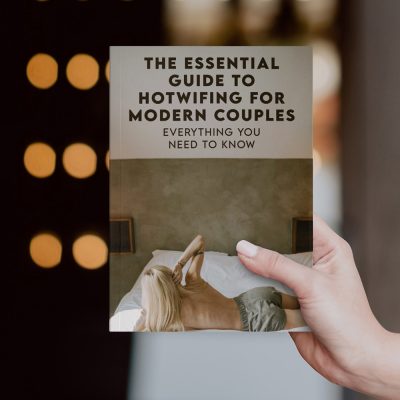
The fantasy is electric. The reality? It can feel like holding a grenade with the pin pulled. That gnawing fear that you might lose her isn't paranoia, it’s a warning. Without a battle-tested strategy, you aren't just exploring; you’re gambling with the most important thing in your life.
The Essential Guide replaces the terrifying unknown with ironclad structure. From managing primal jealousy to setting unbreakable boundaries, we provide the safety manual required to walk through the fire without getting burned. Don't guess. Know.

The fantasy is intoxicating. The reality? It can be terrifying. That sickening drop in your stomach when she leaves isn't just nerves; it's the fear of the unknown threatening everything you’ve built. Don't let vague agreements become grounds for disaster. You need structure before the chaos hits.
The Hotwife Contract Creator transforms your deepest anxieties about safety, emotions, and "going too far" into a rock-solid, signed agreement. Silence the jealousy and lock down your safety net so you can actually survive the thrill.

The fantasy is incredible, but the logistics can tear you apart. That sickening knot of anxiety you feel when she leaves isn't weakness; it's your brain warning you that you're flying without a safety net. Ambiguity is the oxygen that jealousy breathes. Don't let undefined "gray areas" become the reason your marriage implodes.
The Official Hotwife Rules Generator doesn't just list acts; it builds a protective fortress around your relationship. Get the concrete roadmap you need to ensure this high-stakes adventure doesn't turn into a disaster.
The fantasy is intoxicating. The reality? It can be a psychological car crash. That gut-wrenching drop when the bedroom door locks you out isn't just nerves, it’s a warning. 90% of men love the porn but crumble under the visceral weight of actual exclusion and emotional coldness.
This test drags your ego into the harsh light of day. We measure your resilience against the specific triggers that destroy marriages. Are you a true Cuckold or just a Tourist about to self-destruct? Check your ego before you wreck your life.
The fantasy is a rush, but the reality is a razor’s edge. That sickening drop when "humiliation" stops being a game and starts destroying his self-worth isn't a risk. It is the end of your marriage. Confusing "Stag" pride with "Cuckold" degradation is the fastest way to trauma.
This tool drags your hidden desires into the light. Pinpoint exactly where the fun stops and the pain begins, from gentle teasing to hard exclusion. Define your limits now before a misunderstanding becomes a permanent scar.
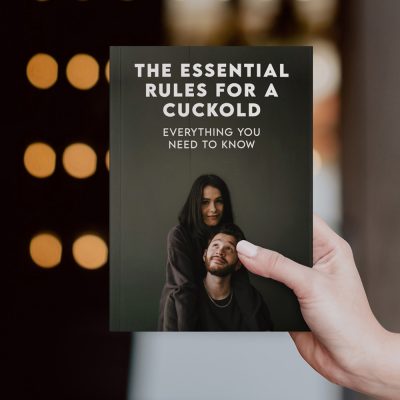
The fantasy is surrender. The reality is often shame that eats you alive. That gut-wrenching drop when the humiliation feels too real isn't part of the game. It is a warning that your psyche is cracking. Without a safety net, you aren't playing. You are traumatizing yourself.
The Essential Rules replaces reckless degradation with calculated intensity. We provide the contracts, vetting protocols, and aftercare scripts needed to explore the edge without falling off. Don't let a scene become a permanent scar.
How motivation shapes negotiation and boundaries
Motivation informs how couples negotiate rules and boundaries. If a wife s motive is autonomy the couple may favor more flexible boundaries with clear check in points. If the motive is exploration and novelty the boundary set might be more open allowing time windows more social permission and careful vetting of potential partners. Each couple will find a different balance based on personality history and risk tolerance. Below are practical considerations you can apply regardless of where you land on the spectrum.
Communication practices that support motivation
Open communication is the foundation. In practice this means frequent honest conversations about desires boundaries fears and successes. It means using non accusatory language focusing on needs not accusations and taking time to listen as well as to express. It also means normalizing uncomfortable topics so they do not erupt as surprise storms later. Regular check ins a weekly or biweekly if needed help ensure both partners feel heard and capable of adjusting as motivations shift over time. The goal is ongoing consent that evolves with the relationship not a one off agreement to be locked in forever.
Boundaries and agreements that reflect motivations
Boundaries should be specific and revisable. Common boundaries include what kinds of activities are allowed where when how often with whom and what to do in case emotions run high. Some couples prefer soft boundaries for flexibility like a preferred emotional check in after a date while others implement strict boundaries around who is allowed to meet essential criteria such as shared friends or certain venues. The important thing is that boundaries reflect the couple s motivations and the couple revisits them as needs change. A boundary that was right a year ago might feel constraining today and that is okay as long as both partners are part of the conversation.
Managing jealousy and insecurity
Jealousy is a normal human response and a sign to pause not panic. The wife s motivation can influence how jealousy is addressed. Practices include cognitive reframing labeling the feeling naming the trigger and exploring what the feeling is trying to protect. Partners can also create reliable reassurance strategies for moments of doubt. These may include more frequent check in texts after a date more explicit consent before seeing someone new and agreements about sharing details if both partners want transparency. The aim is to reduce insecurity while preserving the sense of autonomy and trust at the heart of the dynamic.
Reassurance and emotional safety
Emotional safety is non negotiable. This means agreeing on how to handle emotional distress how to communicate needs during difficult moments and how to repair after conflicts. It also means acknowledging when something feels off and choosing to slow down or pause the exploration. Reassurance can take many forms from regular affirmations and appreciation to scheduled time for cuddling and connecting away from the dating scene. The best reassurance is consistent actions that align with stated intentions and boundaries.
The partner s role in this dynamic
While this guide focuses on the wife s motivations we cannot ignore the role of the husband or primary partner. A healthy hotwife ENM dynamic rests on mutual respect open values alignment and shared accountability. The husband s motivations can include a desire for closeness with his wife through shared vulnerability the interest in sexual or emotional jealousy as a signal to work on the relationship or simply enjoying seeing his partner flourish within a secure framework. The key is that both partners are co pilots in a journey that requires ongoing negotiation and shared ethical commitments. When both sides bring curiosity and care to the table the dynamic has a higher chance of being sustainable and rewarding for everyone involved.
The dynamic of mutual respect and ongoing consent
Mutual respect means listening to what the other person needs and making space for those needs in a way that does not strip away personal dignity. Ongoing consent means checking in regularly about comfort levels while allowing the relationship to evolve. Consent is not a one time checkbox it is a living agreement that can shift with circumstances and life events. When both partners value consent as a practice rather than a rule you increase the likelihood of a long lasting and satisfying dynamic.
Realistic scenarios and practical storytelling
Real life examples help bring these ideas to life. Here are some common situations and how motivations can shape the conversations and outcomes. The goal is practical guidance you can adapt to your own relationship and world view.
Starter conversations about curiosity
Spontaneity can be exciting but it helps to begin with a calm chat. A simple script you can adapt is I have been feeling curious about exploring how my sexuality feels when I have agency and I want to talk about what that could look like for us. What does sexual autonomy mean to you and where would you feel safest starting this journey? By framing curiosity as a shared exploration you invite your partner to join you rather than feel judged or boxed in.
Addressing fears before they become problems
Worries tend to grow in the silence. A wife might say I want to make sure this does not undermine what we have. If a partner shares a fear like I am worried this will erode our trust we acknowledge it and craft a plan together. That plan might include more frequent check in times or a policy about sharing details with close friends. Turning fear into a practical plan reduces anxiety and creates a stable path forward.
Negotiating time and attention
Time management matters. A practical approach is to set a weekly or monthly schedule for outside connections with built in recovery time for the couple. This helps prevent burnout or fatigue and ensures the main relationship maintains a strong central current. The motivation here is to strengthen rather than dilute the relationship through repetitive positive experiences that reinforce trust and closeness.
Handling a first dating encounter with care
The first outside encounter is often the most delicate. It is common for wives to seek partners who understand consent expectations and the couple s boundaries. A practical approach is to discuss preferred venues consent before exchanging personal details and agreeing on a safe aftercare plan including a debrief after the date. Aftercare might involve sharing highlights soft reflections and a moment of closeness with the husband or partner before returning to everyday life.
Keeping friends and family out of the loop
Many couples prefer to keep this private. This choice reduces outside drama and protects the emotional labor involved. It is absolutely acceptable to keep the dynamic confidential with a trusted circle and to set clear boundaries about what information is shared and with whom. The motivation here is to protect emotional safety and ensure the primary relationship remains intact and respected.
Common myths and misperceptions
Let us debunk a few ideas that show up often when people first encounter hotwife ENM. There is no universal path to this dynamic and no single right way to feel either. Some common myths include that this dynamic means a wife is not loved or that it is guaranteed to ruin a marriage. In reality the healthiest versions rely on strong communication consent and ongoing performance of care. Another myth is that jealousy disappears in ENM. Jealousy can show up but skilled couples learn to manage it through transparency and supportive routines. A final myth is that this dynamic is only for extremely bold adventurous couples. In truth many couples begin with small baby steps and grow into more expansive exploration as trust builds. The truth is nuanced and personal and worthy of careful honest discussion.
Practical steps for wives exploring ethically
If you re listening this far you probably want concrete ways to move forward. Here are actionable steps you can start using tonight. They are designed to respect your motivations whether autonomy curiosity validation empowerment or a mix of reasons.
- Clarify your own motivations Take time to journal what matters most to you why you want to explore and what you hope to gain. Distill this into a few clear sentences you can share with your partner.
- Choose the right partner for the journey Not every partner will be comfortable with this style of exploration the same way you might not be comfortable with every relationship. Seek a partner who shares values around consent communication and care and who is open to negotiate and revisit boundaries.
- Set up a practical negotiation framework Create a simple plan that includes boundaries consent check-ins emotional aftercare and a clear process for revisiting the terms as needs evolve.
- Develop emotional safety routines Build routines that reinforce closeness such as weekly date nights a shared hobby a check in ritual or explicit expressions of appreciation. Strong emotional safety reduces anxiety as you explore.
- Practice compassionate communication When discussing desires use I statements and avoid blame. For example I feel curious about exploring this dynamic and I want to ensure we both feel safe and respected. This approach keeps conversations constructive even when topics are sensitive.
- Educate yourselves together Read articles watch interviews or attend a workshop focusing on ethical non monogamy. Learning together builds shared vocabulary and reduces miscommunication.
- Prioritize health and safety Establish clear consent boundaries and discuss safe sex practices. Regular STI testing if you are engaging with multiple partners is prudent and shows you take each other seriously.
- Plan for aftercare and debriefs After any outside encounter set aside time to talk about feelings process what went well and what could be improved. This practice helps you align after every experience.
Glossary of useful terms and acronyms
- ENM Ethical non monogamy a relationship style where all parties consent to more than two romantic or sexual connections.
- Hotwife A wife or long term partner who has sexual experiences with others with her partner s knowledge or involvement.
- Compersion Feeling happy for your partner s happiness even when you are not directly involved.
- Boundary A limit that a partner sets to protect emotional safety and well being within the relationship.
- Consent The explicit agreement by all involved parties to engage in a specific activity within agreed boundaries.
- Aftercare Time spent after an intimate encounter to process emotions and reconnect with each other.
- Primary partner The main partner in a relationship usually the person who provides the majority of emotional and financial support.
- Secondary partner A partner who is involved in a relationship with the same person but not the primary focus of life logistics or core commitments.
- Jealousy management Strategies used to understand and mitigate jealousy within an ethical non monogamy context.
Real world perspectives from the front lines
We know every couple writes their own rules and every wife s motivation is unique. Here are a few distilled perspectives from people living this dynamic in real life. These snippets are not universal truths they are landscapes that show how motivation shapes choices and outcomes.
- Autonomy oriented couples often report a palpable increase in mutual respect once boundaries are clear. Each partner experiences a stronger sense of self while staying connected through regular check ins.
- Curiosity driven couples frequently describe a surge of energy and playfulness that spills into their everyday lives. The novelty becomes a feature of the relationship not a detour from it.
- Validation seekers emphasize the importance of reaffirmation. They often build rituals that celebrate each other and create space for compliments and appreciation to circulate freely.
- Empowerment oriented partners tend to normalize negotiation as a strength not a fault. Over time this reduces stigma around talking about desire and vulnerability.
- Adventure driven couples cherish the shared memory bank they build together. Each successful encounter strengthens trust and deepens emotional connection at home.
Resources and further reading
If you want to dive deeper here are some practical resources you can explore with your partner. Look for books and articles that emphasize ethics consent clear communication and emotional safety. Remember that every relationship is different and you should adapt lessons to fit your own values and circumstances. The goal is to improve both your relationship and your personal sense of autonomy with care and respect at the center.
- Books on ethical non monogamy and relationship repair
- Workshops offering guided conversations about consent and boundaries
- Podcasts featuring couples who openly discuss their hotwife ENM journeys
- Online communities that emphasize respectful discussion and safe practices
Frequently asked questions
What motivates a wife to pursue a hotwife ENM dynamic?
Motivations vary but common drivers include autonomy and agency, sexual curiosity and novelty, validation and self worth, empowerment through boundary setting, and a sense of adventure. Many couples report that exploring together helps strengthen trust and communication even as they introduce new experiences into their relationship.
Is jealousy inevitable in this dynamic?
Jealousy is a natural response for many people. The aim is not to eliminate jealousy but to reduce its impact through clear boundaries open communication and reliable reassurance. With practice many couples learn to recognize jealousy early and address it before it grows into resentment.
How do couples start the conversation about hotwife ENM?
Start with a calm and honest inquiry about curiosity rather than a demand. For example I have been curious about how it would feel to explore sexual autonomy within our relationship. What would comfortable boundaries look like for you and how can we make sure both of us feel safe and respected? Keep it light confident and open ended.
What are common boundaries in hotwife ENM dynamics?
Boundaries are highly personal but typical examples include limits on who can be involved where and when how much physical contact is allowed and what details are shared. Some couples require a checklist of sexual health practices and set up aftercare routines to help both partners process emotions after an encounter.
How important is consent in ongoing negotiations?
Consent is the cornerstone of ethical non monogamy. It is not a one time event it is a living agreement that should be revisited as needs shift. Both partners should feel they can pause revisit or redefine terms at any time without fear of judgment or retribution.
Should friends or family be told about the dynamic?
That choice belongs to each couple. Many couples choose to keep the details private to protect emotional safety and reduce outside pressure. If a couple decides to share they should do so with clear boundaries about what information can be shared and with whom.
How can I make sure we stay connected at home?
Regular quality time is key. Build rituals like weekly date nights and daily check ins. Focus on emotional intimacy and shared activities that remind you both why you value the partnership. The more you invest in your domestic life the better you can manage external connections when they arise.
What if I feel overwhelmed or want to stop?
Voice it immediately. Do not bottle it up. Take a pause and reassess boundaries or the pace of exploration. The dynamic should feel exciting not overwhelming. If needed seek guidance from a therapist who specializes in relationship dynamics or ethics oriented counseling to help navigate the feelings.
Meta description
Explore the motivations of wives in hotwife ENM dynamics with clear terms real scenarios and practical negotiation tips.
The fantasy is electric. The reality? It can feel like holding a grenade with the pin pulled. That gnawing fear that you might lose her isn't paranoia, it’s a warning. Without a battle-tested strategy, you aren't just exploring; you’re gambling with the most important thing in your life.
The Essential Guide replaces the terrifying unknown with ironclad structure. From managing primal jealousy to setting unbreakable boundaries, we provide the safety manual required to walk through the fire without getting burned. Don't guess. Know.
The fantasy is intoxicating. The reality? It can be terrifying. That sickening drop in your stomach when she leaves isn't just nerves; it's the fear of the unknown threatening everything you’ve built. Don't let vague agreements become grounds for disaster. You need structure before the chaos hits.
The Hotwife Contract Creator transforms your deepest anxieties about safety, emotions, and "going too far" into a rock-solid, signed agreement. Silence the jealousy and lock down your safety net so you can actually survive the thrill.
The fantasy is incredible, but the logistics can tear you apart. That sickening knot of anxiety you feel when she leaves isn't weakness; it's your brain warning you that you're flying without a safety net. Ambiguity is the oxygen that jealousy breathes. Don't let undefined "gray areas" become the reason your marriage implodes.
The Official Hotwife Rules Generator doesn't just list acts; it builds a protective fortress around your relationship. Get the concrete roadmap you need to ensure this high-stakes adventure doesn't turn into a disaster.
The fantasy is intoxicating. The reality? It can be a psychological car crash. That gut-wrenching drop when the bedroom door locks you out isn't just nerves, it’s a warning. 90% of men love the porn but crumble under the visceral weight of actual exclusion and emotional coldness.
This test drags your ego into the harsh light of day. We measure your resilience against the specific triggers that destroy marriages. Are you a true Cuckold or just a Tourist about to self-destruct? Check your ego before you wreck your life.
The fantasy is a rush, but the reality is a razor’s edge. That sickening drop when "humiliation" stops being a game and starts destroying his self-worth isn't a risk. It is the end of your marriage. Confusing "Stag" pride with "Cuckold" degradation is the fastest way to trauma.
This tool drags your hidden desires into the light. Pinpoint exactly where the fun stops and the pain begins, from gentle teasing to hard exclusion. Define your limits now before a misunderstanding becomes a permanent scar.
The fantasy is surrender. The reality is often shame that eats you alive. That gut-wrenching drop when the humiliation feels too real isn't part of the game. It is a warning that your psyche is cracking. Without a safety net, you aren't playing. You are traumatizing yourself.
The Essential Rules replaces reckless degradation with calculated intensity. We provide the contracts, vetting protocols, and aftercare scripts needed to explore the edge without falling off. Don't let a scene become a permanent scar.
