
Navigating Mismatched Pacing


Welcome to a practical, no nonsense guide for couples exploring ethical non monogamy in the hotwife dynamic. We are going to talk about pacing the speed of exploration in a way that respects both partners. You will get clear language, real world examples, quick wins and long term strategies to reduce friction and keep a connection that feels honest and exciting. Think of this as a playbook for moving at a pace that fits both of you while still honoring the hotwife dynamic you are building together.
Quick Links to Useful Sections
- What this guide covers
- Key terms and quick definitions
- Why pacing challenges arise in hotwife ENM
- How mismatched pacing shows up in real life
- Principles for aligning pacing
- Practical tools to manage pacing
- 1. The pacing plan an evolving map
- 2. Time boxed experiences
- 3. Structured check ins
- 4. A boundary refresh protocol
- 5. A jealousy management plan
- Communicating when pacing feels off
- How to start a pacing conversation
- Language that keeps things constructive
- Active listening techniques
- Negotiation templates you can adapt
- Balancing autonomy and closeness
- Handling difficult emotions with mismatched pacing
- Real world scenarios with mismatched pacing and how to respond
- Scenario 1 a new date comes up quickly while you need time to process
- Scenario 2 slow down moves causing frustration for the hotwife
- Scenario 3 emotional shock after a date triggers insecurity
- Scenario 4 mismatched pacing strains the primary relationship
- Boundaries to support pacing and safety
- Self care and personal growth during mismatched pacing
- Long term strategies for sustainable pacing
- Glossary of useful terms and acronyms
- Frequently asked questions
What this guide covers
This guide is written for couples who love the heat and curiosity of the hotwife dynamic but who struggle with pacing. We will define key terms so you can speak the same language. We will explain how mismatched pacing shows up in daily life and in dating scenarios. We will share communication techniques that actually work when emotions run high. We will offer practical boundary structures and scheduling ideas. We will also cover emotional strategies for managing jealousy and building compersion the genuine joy you feel when your partner thrives in new experiences.
Key terms and quick definitions
Understanding terms helps you avoid miscommunication. Here are some core ideas in plain language.
- Ethical non monogamy also known as ENM is a relationship approach in which all involved people consent to partners having relationships or sexual experiences with people outside the primary relationship.
- Hotwife describes a partnered woman who has sexual experiences with other people with the knowledge and often the encouragement of her partner. In this setup the male partner usually holds a supportive or arousal oriented role rather than a controlling one.
- Pacing means the speed at which people feel comfortable exploring outside relationships including how quickly new experiences are pursued and how they are integrated into the couple dynamic.
- Mismatched pacing happens when one partner wants to move faster or more aggressively with outside experiences while the other prefers a slower more cautious approach.
- Boundaries are agreed lines about what is okay and what is not in the relationship. Boundaries can be about time places rules conversations or activities.
- Check in is a structured moment to pause and assess how everyone is feeling about the current pace and the experiences being pursued.
- Consent refers to a clear and ongoing agreement to participate in a chosen activity. Consent should be enthusiastically given and easy to withdraw at any time.
- Jealousy is an emotional response that can show up when one partner wants more distance between partners or feels threatened by new connections.
- Compersion is the positive feeling you get when your partner is enjoying a relationship or experience with someone else.
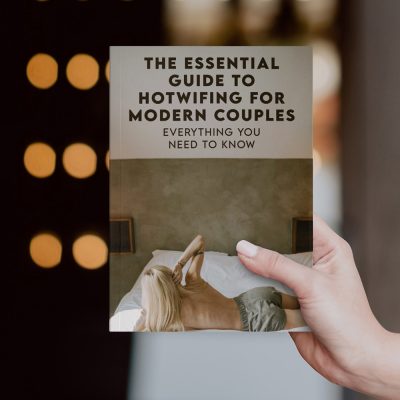
The fantasy is electric. The reality? It can feel like holding a grenade with the pin pulled. That gnawing fear that you might lose her isn't paranoia, it’s a warning. Without a battle-tested strategy, you aren't just exploring; you’re gambling with the most important thing in your life.
The Essential Guide replaces the terrifying unknown with ironclad structure. From managing primal jealousy to setting unbreakable boundaries, we provide the safety manual required to walk through the fire without getting burned. Don't guess. Know.

The fantasy is intoxicating. The reality? It can be terrifying. That sickening drop in your stomach when she leaves isn't just nerves; it's the fear of the unknown threatening everything you’ve built. Don't let vague agreements become grounds for disaster. You need structure before the chaos hits.
The Hotwife Contract Creator transforms your deepest anxieties about safety, emotions, and "going too far" into a rock-solid, signed agreement. Silence the jealousy and lock down your safety net so you can actually survive the thrill.

The fantasy is incredible, but the logistics can tear you apart. That sickening knot of anxiety you feel when she leaves isn't weakness; it's your brain warning you that you're flying without a safety net. Ambiguity is the oxygen that jealousy breathes. Don't let undefined "gray areas" become the reason your marriage implodes.
The Official Hotwife Rules Generator doesn't just list acts; it builds a protective fortress around your relationship. Get the concrete roadmap you need to ensure this high-stakes adventure doesn't turn into a disaster.

The fantasy is intoxicating. The reality? It can be a psychological car crash. That gut-wrenching drop when the bedroom door locks you out isn't just nerves, it’s a warning. 90% of men love the porn but crumble under the visceral weight of actual exclusion and emotional coldness.
This test drags your ego into the harsh light of day. We measure your resilience against the specific triggers that destroy marriages. Are you a true Cuckold or just a Tourist about to self-destruct? Check your ego before you wreck your life.

The fantasy is a rush, but the reality is a razor’s edge. That sickening drop when "humiliation" stops being a game and starts destroying his self-worth isn't a risk. It is the end of your marriage. Confusing "Stag" pride with "Cuckold" degradation is the fastest way to trauma.
This tool drags your hidden desires into the light. Pinpoint exactly where the fun stops and the pain begins, from gentle teasing to hard exclusion. Define your limits now before a misunderstanding becomes a permanent scar.

The fantasy is surrender. The reality is often shame that eats you alive. That gut-wrenching drop when the humiliation feels too real isn't part of the game. It is a warning that your psyche is cracking. Without a safety net, you aren't playing. You are traumatizing yourself.
The Essential Rules replaces reckless degradation with calculated intensity. We provide the contracts, vetting protocols, and aftercare scripts needed to explore the edge without falling off. Don't let a scene become a permanent scar.
Why pacing challenges arise in hotwife ENM
- Different libido or erotic timing People do not always want sex at the same moment. One partner may crave risk and novelty while the other needs security and closeness.
- Past experiences and triggers Previous breakups or betrayals can make slower pacing feel safer even if both partners want a dynamic that is more adventurous.
- Work and life demands Scheduling competing priorities can push one partner toward a faster pace simply because there is less time to process emotions.
- Emotional thresholds Some people need more emotional prep before they can handle the reality of dating others while others feel ready to dive in.
- Communication gaps Without precise language about desires boundaries and limits it is easy for partners to drift apart as experiences begin to accumulate.
How mismatched pacing shows up in real life
Reality is messy and the best learning comes from concrete moments. Here are common patterns you might see in a hotwife ENM setup when pacing clashes.
- Frequent new connections while one partner feels overwhelmed One partner sees a stream of new dates while the other experiences anxiety over time loss or a sense of being displaced.
- Quick escalation to sexual activity with external partners The hotwife may pursue outside experiences more rapidly than the primary partner comfortable with their own sexual boundaries.
- Intense emotional reactions after experiences One partner may feel jealousy sadness or fear after a date while the other feels elation or relief creating a feedback loop of emotion.
- Misaligned check ins Regular conversations can drift from honest recovery talks to administrative scheduling which leaves feelings unspoken.
- Boundary creep When boundaries are not revisited frequently small rules slowly shift leaving someone feeling unsafe.
Principles for aligning pacing
Alignment does not mean sameness. It means creating a path where both partners feel seen heard and valued. Here are guiding principles to help you move toward pace harmony in the hotwife dynamic.
- Clarity over assumptions Talk about what you want what you fear what you can handle and what you cannot accept. Clarity reduces misinterpretation and surprise.
- Ongoing enthusiastic consent Consent is not a one time checkbox. Reconfirm consent as the dynamic evolves and as experiences occur.
- Small steps before big jumps Build confidence by trying slower or smaller experiences before moving to more advanced scenarios.
- Regular check ins Schedule consistent conversations about how pacing feels. Treat check ins as a value adding routine not a crisis response.
- Strong boundaries Boundaries are the guardrails that allow for safe exploration. Review them regularly and adjust as needed.
Practical tools to manage pacing
These tools help you translate talk into action while preserving trust. Use them to create structure without smothering spontaneity.
1. The pacing plan an evolving map
Start with a simple map that outlines a few milestones. For example a plan could include a limit on how many nights away from home a partner can have with someone else in a given period. It might set a minimum emotional check in after a date. The map should be revisited every two to four weeks and adjusted as needed. The goal is to keep both partners moving forward at a pace that feels comfortable.
2. Time boxed experiences
Time box ideas help contain the pace of exploration. For example decide that any outside encounter will be scheduled with a specific window of time and that after the date there will be a scheduled debrief. Time boxing helps reduce drift and it creates a natural pause for processing emotions.
3. Structured check ins
Set a predictable cadence for check ins that cover how each person is feeling about the pacing the experiences and the relationship. Use a simple format such as one thing you enjoyed one thing that concerns you and one request for the next period. Keep the check ins short and focused to avoid turning into a vent session.
4. A boundary refresh protocol
When you notice pacing shifting you should refresh boundaries. A boundary refresh protocol could be a 48 hour cooling off period followed by a short boundary review session. The goal is to identify what changed why it matters and what new boundaries might be needed to keep everyone safe and respected.
5. A jealousy management plan
Jealousy is a normal signal not a verdict. Create a plan that includes recognizing triggers naming them openly and deciding on actions that reduce risk. For example swapping dating feeds for activities that build trust or taking a break on new dates to focus on the relationship can help the emotional balance.
Communicating when pacing feels off
Communication is the fuel that keeps the car running smoothly. When pacing feels off use these practical strategies to talk with your partner without blame or escalation.
How to start a pacing conversation
Begin with care and curiosity. A useful opening might be I want to talk about how we are pacing our outside experiences. I have noticed that my feelings are shifting and I want to hear how you are feeling too. I am hoping we can adjust the pace together in a way that feels safe for both of us.
Language that keeps things constructive
Avoid accusatory language like you always push too fast. Instead say things like I feel anxious when we have back to back dates. I would prefer a slower pace for the next month. Could we try a weekly check in and see how that goes
Active listening techniques
Practice reflective listening mirroring back what you heard and asking clarifying questions. For example That sounds challenging for you. If I understand correctly you would like more space between new dates and more time to process before the next encounter Is that right
Negotiation templates you can adapt
Template A I want to keep the hotwife dynamic but I would like to slow the pace by adding a one week pause after a date or by limiting the number of new dates this month. If we agree I will commit to checking in mid week and again at the end of the week.
Template B If you are the partner who wants a slower pace you could say I value what we have and I want to continue building trust. I am asking for a two date pause this month to focus on our connection and to rethink how we want to pace future experiences.
The fantasy is electric. The reality? It can feel like holding a grenade with the pin pulled. That gnawing fear that you might lose her isn't paranoia, it’s a warning. Without a battle-tested strategy, you aren't just exploring; you’re gambling with the most important thing in your life.
The Essential Guide replaces the terrifying unknown with ironclad structure. From managing primal jealousy to setting unbreakable boundaries, we provide the safety manual required to walk through the fire without getting burned. Don't guess. Know.
The fantasy is intoxicating. The reality? It can be terrifying. That sickening drop in your stomach when she leaves isn't just nerves; it's the fear of the unknown threatening everything you’ve built. Don't let vague agreements become grounds for disaster. You need structure before the chaos hits.
The Hotwife Contract Creator transforms your deepest anxieties about safety, emotions, and "going too far" into a rock-solid, signed agreement. Silence the jealousy and lock down your safety net so you can actually survive the thrill.
The fantasy is incredible, but the logistics can tear you apart. That sickening knot of anxiety you feel when she leaves isn't weakness; it's your brain warning you that you're flying without a safety net. Ambiguity is the oxygen that jealousy breathes. Don't let undefined "gray areas" become the reason your marriage implodes.
The Official Hotwife Rules Generator doesn't just list acts; it builds a protective fortress around your relationship. Get the concrete roadmap you need to ensure this high-stakes adventure doesn't turn into a disaster.
The fantasy is intoxicating. The reality? It can be a psychological car crash. That gut-wrenching drop when the bedroom door locks you out isn't just nerves, it’s a warning. 90% of men love the porn but crumble under the visceral weight of actual exclusion and emotional coldness.
This test drags your ego into the harsh light of day. We measure your resilience against the specific triggers that destroy marriages. Are you a true Cuckold or just a Tourist about to self-destruct? Check your ego before you wreck your life.
The fantasy is a rush, but the reality is a razor’s edge. That sickening drop when "humiliation" stops being a game and starts destroying his self-worth isn't a risk. It is the end of your marriage. Confusing "Stag" pride with "Cuckold" degradation is the fastest way to trauma.
This tool drags your hidden desires into the light. Pinpoint exactly where the fun stops and the pain begins, from gentle teasing to hard exclusion. Define your limits now before a misunderstanding becomes a permanent scar.
The fantasy is surrender. The reality is often shame that eats you alive. That gut-wrenching drop when the humiliation feels too real isn't part of the game. It is a warning that your psyche is cracking. Without a safety net, you aren't playing. You are traumatizing yourself.
The Essential Rules replaces reckless degradation with calculated intensity. We provide the contracts, vetting protocols, and aftercare scripts needed to explore the edge without falling off. Don't let a scene become a permanent scar.
Balancing autonomy and closeness
Autonomy means freedom to pursue experiences and closeness means emotional availability. In a hotwife dynamic balancing these needs is essential for long term harmony. Here are ideas to keep both sides feeling seen.
- Make space for solo time with friends or hobbies that do not involve sexual activity. Autonomy supports identity outside the relationship and reduces pressure in the dynamic.
- Plan shared rituals that reinforce closeness such as weekly date nights or debrief sessions after outside encounters.
- Use transparent calendars that show planned dates but maintain privacy by not oversharing details. The calendar is a tool not a diary.
- Celebrate successes together such as shared compersion moments where one partner expresses happiness for the other’s experience.
Handling difficult emotions with mismatched pacing
Emotions are real and you deserve to process them in a respectful environment. Here are practical ways to address tough feelings without letting them derail the relationship.
- Acknowledge emotions without judgment
- Separate feelings from actions coffee then talk
- Use a cooling off period when emotions run high
- Revisit goals and the original reasons for exploring together
Real world scenarios with mismatched pacing and how to respond
Seeing concrete examples can help you translate theory into action. Here are four typical scenarios and measured responses that preserve trust and intimacy.
Scenario 1 a new date comes up quickly while you need time to process
Response strategy place the new date on the calendar but pause on any new intimate plans with this partner until you both feel ready. Use a structured check in to discuss how the date went and what you both learned about pace for next time.
Scenario 2 slow down moves causing frustration for the hotwife
Validate the hotwife experience and propose a targeted plan for the next two weeks such as a couple friendly event with a potential external connection but with a clear stop point and guided conversation after the event. This approach keeps momentum while safety nets are in place.
Scenario 3 emotional shock after a date triggers insecurity
Pause the dating schedule if needed and schedule a deep conversation. Use the time to rebuild emotional safety by discussing what each person regrets what they learned and how to prevent similar triggers in the future.
Scenario 4 mismatched pacing strains the primary relationship
Consider a temporary pause on external experiences while you rebuild trust. Between dates invest in small rituals that intensify the couple connection such as shared meals more long walks or a weekend away with no outside contact. Revisit goals before resuming any new experiences.
Boundaries to support pacing and safety
Boundaries are the scaffolding that keeps a dynamic steady as you experiment with new experiences. Use practical boundaries that are easy to implement and revisit.
- Time boundaries define how many outside encounters you allow per month and how much time you need between events.
- Communication boundaries specify how often you will check in and what information you will share about dates outside the primary relationship.
- Emotional boundaries determine how you process jealousy and how you show support for your partner while protecting your own emotional health.
- Sexual boundaries cover what activities are allowed who can participate and how sexual content is discussed within the relationship.
- Privacy boundaries set what you will share publicly about your experiences and what remains private between the two of you.
Self care and personal growth during mismatched pacing
Personal growth helps the relationship survive tough pacing differences. Here are some practical self care practices that support a healthier dynamic.
- Maintain a social circle and activities that nourish you outside the relationship. This builds resilience and reduces dependency on the dynamic for emotional balance.
- Practice journaling to capture your feelings before and after encounters. This creates a personal archive you can discuss with your partner in check ins.
- Engage in mindfulness or breathing exercises during tense moments or before conversations to reduce reactivity.
- Seek professional support from a therapist who understands ethical non monogamy. A neutral perspective can be incredibly helpful.
Long term strategies for sustainable pacing
In the long run you want a rhythm that feels fair and exciting. Here are strategies that help you build a durable pace that can adapt as life changes.
- Review pacing every quarter and after major life events such as a move a job change or a birth.
- Keep a living document of boundaries and desires that is accessible to both partners. In non monogamy the map is never final it evolves with you.
- Put value on the relationship beyond sexual experiences. This means prioritizing trust companionship and shared goals.
- Encourage and celebrate growth in both partners whether it comes from new experiences or from improving communication skills.
Glossary of useful terms and acronyms
- ENM ethical non monogamy the practice of pursuing intimate or sexual connections outside the primary relationship with the consent of all involved.
- Hotwife a partnered woman who entertains sexual relationships with others with the knowledge and usually the encouragement of her partner.
- Boundaries agreed lines about what is permissible and what is off limits in a relationship.
- Consent enthusiastic agreement to participate in a specific activity that can be revoked at any time.
- Jealousy an emotional response that can signal a need for safety security or boundary adjustment.
- Compersion taking joy in your partner s happiness when they enjoy a meaningful connection with someone else.
- Check in a scheduled moment to discuss feelings experiences boundaries and needs.
Frequently asked questions
What is mismatched pacing in a hotwife ENM dynamic
Mismatched pacing happens when one partner wants to move faster with outside experiences while the other prefers a slower approach. The result is tension friction and sometimes fear that the relationship will break. The fix is open dialogue clear boundaries and a shared plan for moving forward at a pace that works for both partners.
How do we start a conversation about pacing without triggering defensiveness
Choose a calm moment and use non blaming language. Use I statements and speak about your feelings not about the other person s flaws. For example I feel nervous when there are back to back dates. I would like to slow down a bit and check in more often to ensure we both feel secure.
What if one partner refuses to slow down
Respect is earned through honest conversations and consistent actions. If one partner refuses to negotiate consider pausing new outside experiences until both feel ready. If the refusal continues you may want to seek professional help to explore underlying fears or a different arrangement that preserves consent and safety for both.
How can boundaries help with pacing
Boundaries are tools for safety and clarity. They help you define what is ok who may be involved how often you will check in and what kinds of experiences count as part of the dynamic. Regularly revisiting boundaries keeps the pace aligned with both partners needs.
What is compersion and how does it relate to pacing
Compersion is the positive feeling you can have when your partner enjoys experiences with others. It does not erase jealousy but it can soften difficult moments and make it easier to stay aligned on pace. Building compersion is a practice that grows with honest communication and steady reassurance.
How do I handle jealousy during mismatched pacing
Name the jealousy early talk about what triggers it and explore practical steps to reduce the trigger. This can include adjusting pacing adding check ins and ensuring emotional safety. Jealousy is a signal not a verdict about the relationship you can respond with care and action.
Is it possible to transition from mismatched pacing to a sustainable rhythm
Yes. It takes time patience and consistent effort from both partners. Start with small steps and frequent check ins keep boundaries clear and plan for reassessment. Over time you can build a rhythm that supports both emotional safety and curiosity.
When should we seek help
If mismatched pacing leads to persistent conflict repeated breaches of boundaries or emotional distress consider reaching out to a therapist who understands ethical non monogamy. A professional can help you learn new communication patterns and reframe past hurts.
The fantasy is electric. The reality? It can feel like holding a grenade with the pin pulled. That gnawing fear that you might lose her isn't paranoia, it’s a warning. Without a battle-tested strategy, you aren't just exploring; you’re gambling with the most important thing in your life.
The Essential Guide replaces the terrifying unknown with ironclad structure. From managing primal jealousy to setting unbreakable boundaries, we provide the safety manual required to walk through the fire without getting burned. Don't guess. Know.
The fantasy is intoxicating. The reality? It can be terrifying. That sickening drop in your stomach when she leaves isn't just nerves; it's the fear of the unknown threatening everything you’ve built. Don't let vague agreements become grounds for disaster. You need structure before the chaos hits.
The Hotwife Contract Creator transforms your deepest anxieties about safety, emotions, and "going too far" into a rock-solid, signed agreement. Silence the jealousy and lock down your safety net so you can actually survive the thrill.
The fantasy is incredible, but the logistics can tear you apart. That sickening knot of anxiety you feel when she leaves isn't weakness; it's your brain warning you that you're flying without a safety net. Ambiguity is the oxygen that jealousy breathes. Don't let undefined "gray areas" become the reason your marriage implodes.
The Official Hotwife Rules Generator doesn't just list acts; it builds a protective fortress around your relationship. Get the concrete roadmap you need to ensure this high-stakes adventure doesn't turn into a disaster.
The fantasy is intoxicating. The reality? It can be a psychological car crash. That gut-wrenching drop when the bedroom door locks you out isn't just nerves, it’s a warning. 90% of men love the porn but crumble under the visceral weight of actual exclusion and emotional coldness.
This test drags your ego into the harsh light of day. We measure your resilience against the specific triggers that destroy marriages. Are you a true Cuckold or just a Tourist about to self-destruct? Check your ego before you wreck your life.
The fantasy is a rush, but the reality is a razor’s edge. That sickening drop when "humiliation" stops being a game and starts destroying his self-worth isn't a risk. It is the end of your marriage. Confusing "Stag" pride with "Cuckold" degradation is the fastest way to trauma.
This tool drags your hidden desires into the light. Pinpoint exactly where the fun stops and the pain begins, from gentle teasing to hard exclusion. Define your limits now before a misunderstanding becomes a permanent scar.
The fantasy is surrender. The reality is often shame that eats you alive. That gut-wrenching drop when the humiliation feels too real isn't part of the game. It is a warning that your psyche is cracking. Without a safety net, you aren't playing. You are traumatizing yourself.
The Essential Rules replaces reckless degradation with calculated intensity. We provide the contracts, vetting protocols, and aftercare scripts needed to explore the edge without falling off. Don't let a scene become a permanent scar.
