
Power Imbalances and How to Mitigate Them


Welcome friend. If you are here you probably want to understand the tricky stuff that can pop up when a hotwife ENM dynamic begins to tilt toward one side. This guide is about power. Not power like who wears the pants in a sitcom but real life power the kind that changes how you make decisions who gets to set boundaries and how safe you feel day to day. We keep things practical and grounded with clear language and concrete steps you can apply. We will explain terms as we go so everything stays understandable even if you are new to ethical non monogamy or new to this specific dynamic.
Quick Links to Useful Sections
- What is the hotwife ENM dynamic
- Common power balance patterns in hotwife ENM
- 1. Decision making centralization
- 2. Boundary setting as control
- 3. Emotional labor overload
- 4. Social pressure and external validation
- 5. Financial and logistical leverage
- 6. Social status and appearance
- 7. Privacy and disclosure dynamics
- Why power imbalances happen in hotwife ENM
- Strategies to mitigate power imbalances
- 1. Start with a thorough written agreement
- 2. Create a shared decision making process
- 3. Schedule regular check ins
- 4. Normalize renegotiation
- 5. Build emotional safety nets
- 6. Separate sexual consent from relationship consent
- 7. Establish safety protocols for risk and health
- 8. Protect privacy and confidentiality
- 9. Equal emotional labor distribution
- 10. Use third party support
- Practical tools and scripts you can use
- Sample consent talk for a new encounter
- Dialogue for renegotiating a boundary
- Handling jealousy in the moment
- Privacy friendly sharing script
- Maintaining ongoing consent and renegotiation
- Common mistakes to avoid
- Realistic scenarios and how to handle them
- Scenario one a new partner enters the dynamic
- Scenario two jealousy spikes during a night out
- Scenario three a partner wants a different type of experience
- Glossary of useful terms and acronyms
- Frequently asked questions
What is the hotwife ENM dynamic
Hotwife ENM is a form of ethical non monogamy where a cis hetero couple or a partnered couple explores sexual experiences outside the primary relationship with the knowledge and consent of all involved. In many setups the woman in the couple takes on the role of the hotwife engaging with others while the other partner may enjoy watching or hearing about these experiences or simply supporting the arrangement. The emphasis is on consent honesty and ongoing communication rather than secrecy or deception.
In this style of dynamic both partners have agency and both should feel safe and respected. Power imbalances can appear when one voice dominates or when one person carries more emotional load than the other. The goal is to spot those patterns early and create a structure that keeps both people feeling seen and heard. The good news is that with careful planning and regular check ins many imbalances can be reduced or even eliminated.
Common power balance patterns in hotwife ENM
Understanding typical patterns helps you spot trouble before it grows. Here are some common dynamics people notice in hotwife ENM setups.
1. Decision making centralization
Sometimes one partner makes most of the rules around who can see others what kinds of experiences are allowed and how often. When that happens the other partner can feel sidelined or powerless. This is especially common if the partner with less social or sexual confidence becomes used to following orders rather than co creating boundaries.
2. Boundary setting as control
Boundaries are essential but when they become a tool for control the dynamic shifts. If one side uses boundaries to police the other person too tightly or to regulate every small detail the sense of freedom in the relationship erodes. Boundaries should protect people not restrict their humanity.
3. Emotional labor overload
The partner who handles the planning the emotional checks the scheduling and the risk management can burn out. When one person manages all of the feelings the other may drift away or stop showing up with genuine curiosity. It is easy for one person to become the de facto project manager for the relationship which creates a hidden power gap.
4. Social pressure and external validation
Friends family or online communities can feed pressure that pushes a couple toward a particular setup. If one partner seeks external validation or fear judgment from peers this can skew decisions away from what feels right for the two of you and toward what looks good on a surface level.
5. Financial and logistical leverage
In some cases financial or logistical realities give one partner more control. For example one partner may handle travel arrangements or pay for experiences which can create a practical power imbalance especially if money feels like an invisible form of influence.
6. Social status and appearance
External factors such as age attractiveness or perceived social status can subtly tilt power. If one person is viewed as more desirable externally they may receive more attention or more opportunities which can affect how decisions are made within the couple.
7. Privacy and disclosure dynamics
Decisions about what to share with friends family or social circles can become a power issue. If one partner wants to share aggressively and the other wants strict privacy this friction can drive a wedge between them over time.
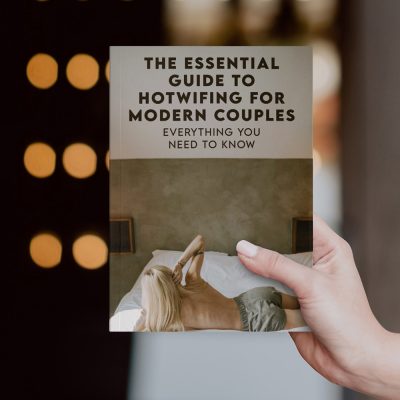
The fantasy is electric. The reality? It can feel like holding a grenade with the pin pulled. That gnawing fear that you might lose her isn't paranoia, it’s a warning. Without a battle-tested strategy, you aren't just exploring; you’re gambling with the most important thing in your life.
The Essential Guide replaces the terrifying unknown with ironclad structure. From managing primal jealousy to setting unbreakable boundaries, we provide the safety manual required to walk through the fire without getting burned. Don't guess. Know.

The fantasy is intoxicating. The reality? It can be terrifying. That sickening drop in your stomach when she leaves isn't just nerves; it's the fear of the unknown threatening everything you’ve built. Don't let vague agreements become grounds for disaster. You need structure before the chaos hits.
The Hotwife Contract Creator transforms your deepest anxieties about safety, emotions, and "going too far" into a rock-solid, signed agreement. Silence the jealousy and lock down your safety net so you can actually survive the thrill.

The fantasy is incredible, but the logistics can tear you apart. That sickening knot of anxiety you feel when she leaves isn't weakness; it's your brain warning you that you're flying without a safety net. Ambiguity is the oxygen that jealousy breathes. Don't let undefined "gray areas" become the reason your marriage implodes.
The Official Hotwife Rules Generator doesn't just list acts; it builds a protective fortress around your relationship. Get the concrete roadmap you need to ensure this high-stakes adventure doesn't turn into a disaster.

The fantasy is intoxicating. The reality? It can be a psychological car crash. That gut-wrenching drop when the bedroom door locks you out isn't just nerves, it’s a warning. 90% of men love the porn but crumble under the visceral weight of actual exclusion and emotional coldness.
This test drags your ego into the harsh light of day. We measure your resilience against the specific triggers that destroy marriages. Are you a true Cuckold or just a Tourist about to self-destruct? Check your ego before you wreck your life.

The fantasy is a rush, but the reality is a razor’s edge. That sickening drop when "humiliation" stops being a game and starts destroying his self-worth isn't a risk. It is the end of your marriage. Confusing "Stag" pride with "Cuckold" degradation is the fastest way to trauma.
This tool drags your hidden desires into the light. Pinpoint exactly where the fun stops and the pain begins, from gentle teasing to hard exclusion. Define your limits now before a misunderstanding becomes a permanent scar.

The fantasy is surrender. The reality is often shame that eats you alive. That gut-wrenching drop when the humiliation feels too real isn't part of the game. It is a warning that your psyche is cracking. Without a safety net, you aren't playing. You are traumatizing yourself.
The Essential Rules replaces reckless degradation with calculated intensity. We provide the contracts, vetting protocols, and aftercare scripts needed to explore the edge without falling off. Don't let a scene become a permanent scar.
Why power imbalances happen in hotwife ENM
Power imbalances tend to appear when there is unclear negotiation or when people fear losing something they value. Common triggers include fear of jealousy losing control faking consent or hiding insecurities behind firm rules. The best cure for these patterns is transparency ongoing consent and an agreed upon method for renegotiation. No couple should feel forced to accept a dynamic that feels wrong or unsafe just to keep the arrangement going.
Strategies to mitigate power imbalances
Now for the good part. Here are concrete steps you can take to bring balance back into a hotwife ENM arrangement or to prevent imbalance from taking root in the first place. Each strategy is practical and aims to protect both partners while preserving the excitement of the dynamic.
1. Start with a thorough written agreement
Put your boundaries rules and expectations in writing. That does not mean you never change them it means you have a clear starting point you can refer back to. A good agreement covers consent boundaries communication style safety measures privacy and renegotiation triggers. It also includes a process for addressing breaches and what happens if one person feels uncomfortable and needs a pause.
2. Create a shared decision making process
Decisions about who what where and when should involve both partners equally. Consider using a simple framework such as a monthly review where both voices are heard and decisions are revised if needed. You can also use a real time consent check in practice where both partners confirm they are comfortable with a plan before it moves forward.
3. Schedule regular check ins
Set aside time every few weeks for a candid conversation about feelings experiences and any shifts in comfort level. These check ins should be non accusatory and focused on solutions. Even a small adjustment can restore balance and trust.
4. Normalize renegotiation
Make renegotiation a routine part of your relationship not a response to a problem. People change and so do needs. By treating renegotiation as a normal step you remove the stigma that it means something has gone wrong.
5. Build emotional safety nets
Emotional safety means creating space where either partner can express insecurities without fear of judgment or punishment. Use phrases that invite dialogue such as I am feeling uncertain and I would like to talk about a plan that might help. Try to avoid blaming language and focus on shared goals.
6. Separate sexual consent from relationship consent
Consent for sexual encounters does not automatically grant consent for every action or decision in the relationship. Make sure you have boundaries around what is allowed what needs to be discussed and what should trigger a pause. Clarity here reduces covert pressure and builds trust.
7. Establish safety protocols for risk and health
Discuss contraception STD and STI testing routine and aftercare. Agree on what health checks are expected when new partners join the dynamic and how you handle information sharing while respecting privacy. Health safety is a foundation for trust and it reduces anxiety for both partners.
8. Protect privacy and confidentiality
Agree on what details you will share with others what stays private and how you manage digital information. This includes social media posts about experiences and what you tell friends or family. A clear privacy plan prevents accidental leaks that can damage trust.
9. Equal emotional labor distribution
Spread the load of planning communicating and supporting both partners. If one person always handles logistics consider rotating roles or sharing responsibilities to prevent burnout and to preserve a sense of teamwork.
10. Use third party support
Therapy coaching or a skilled sex positive mediator can be a neutral space to work through tough issues. An outside perspective is often invaluable when you are stuck on a difficult topic or when patterns repeat themselves without resolution.
Practical tools and scripts you can use
Words matter and a plan is useful. Here are templates and example conversations you can adapt to your own situation. The goal is to keep the tone collaborative and non accusatory while clearly stating needs and boundaries.
Sample consent talk for a new encounter
First partner speaks The idea of meeting someone new excites me and I want to explore that with your input. I would like to proceed with a date that includes clear boundaries around what is shared after and how we check in during and after. Second partner responds I appreciate that you are asking for my input. I am not comfortable with sharing every detail but I want to know the general plan and to have a chance to voice any concerns. How about we set a time limit for tonight and a check in during the next day to review how we both feel.
Dialogue for renegotiating a boundary
Partner A I am noticing that the current boundary is leaving me with more anxiety than comfort. Partner B I appreciate your honesty. What would help you feel safer while still allowing some flexibility for me to explore this week? Partner A Maybe we adjust the boundary to require a mid point check in and we reserve the right to pause at any time. Partner B That works for me. Thank you for bringing it up with care.
Handling jealousy in the moment
When jealousy rises say I am feeling a wave of jealousy and I want to pause for a moment to collect myself. Then take a short break before continuing the conversation. Remember that a pause does not erase the plan it gives you space to process and come back with a calmer perspective.
Privacy friendly sharing script
Partner A I want to keep what happens in our experiences private between us. If we ever choose to share with others it will be our joint decision and we will discuss what is appropriate to disclose and what should remain private. Partner B I value that approach a lot and I agree to our shared boundaries on what can be shared and with whom.
Maintaining ongoing consent and renegotiation
Consent is not a one time check off. It is a continuous practice. People change and circumstances shift. The moment you feel unsure is the moment to pause and talk. Keep the channel open and make renegotiation a normal part of life together rather than a reaction to a problem. When both partners feel heard and involved the power balance stays healthier and the relationship grows stronger.
Common mistakes to avoid
- Letting one person set every limit without input from the other
- Assuming consent means ongoing desire without check ins
- Using jealousy as a weapon to control rather than a signal to talk
- Rushing negotiations to please others outside the couple
- Ignoring health safety guidelines in the name of adventure
Realistic scenarios and how to handle them
Let us walk through a few situations you might see in real life. The aim is to keep responses practical and fair to both partners.
Scenario one a new partner enters the dynamic
The couple agrees to a test run with a short chat first to discuss expectations and boundaries. After the meeting the partners debrief and decide if they want to proceed with a longer encounter. If one partner feels uneasy they pause and revisit the plan.
Scenario two jealousy spikes during a night out
The couple uses a pre agreed pause signal. They step away from the situation to breathe and reassess. After a brief break they regroup and decide on a revised boundary or a temporary pause if needed. The goal is to keep the relationship intact while respecting feelings in the moment.
Scenario three a partner wants a different type of experience
They sit together and talk about what is appealing and what feels risky. They may agree to a controlled trial with new ground rules or they might decide to forgo the experience for a time while the comfort level is rebuilt. The key is transparency and mutual respect.
Glossary of useful terms and acronyms
- ENM Ethically non monogamous a relationship style where all partners consent to sexual or romantic engagement outside the main relationship.
- Hotwife A woman who is allowed or encouraged to have sexual encounters outside her primary relationship typically with the knowledge and consent of her partner.
- Consent Clear voluntary agreement to engage in specific activity without pressure coercion or manipulation.
- Boundaries Personal limits around what is acceptable two separate partners to maintain safety comfort and respect.
- Renegotiation The act of revisiting and adjusting terms especially when circumstances change.
- Health safety Practices including STI checks contraception and aftercare following encounters.
- Emotional labor The energy and effort required to manage emotions communication and relationship care.
- Negotiation framework A planned approach to discuss boundaries rules and expectations with an aim to reach mutual agreement.
- Transparency Open honest sharing of feelings experiences and concerns to foster trust.
Frequently asked questions
What signs indicate a power imbalance is growing in a hotwife ENM dynamic
Common signs include one partner routinely making decisions without input from the other feeling pressured to agree staying silent about discomfort or experiencing mounting jealousy that is not addressed. If you notice a shrinking sense of safety or a sense that one voice dominates it is time to pause and renegotiate.
How often should we renegotiate boundaries in this setup
There is no fixed schedule. Many couples find it effective to renegotiate after a new partner enters the dynamic after a major life change or after any emotional shift. A monthly check in also works well for many couples as a routine practice.
What is the role of a third party in preventing power imbalances
A third party such as a therapist a coach or a trusted mediator can provide an impartial perspective and practical tools to improve communication. They can help the couple articulate needs spot hidden patterns and design fair renegotiation processes.
How can we protect privacy while exploring outside the primary relationship
Agree on what to share with others what stays private and how to manage digital traces. Use consent based sharing and limit details while preserving trust. Privacy protection reduces risk of social pressure and helps both partners feel more secure.
What happens if one partner is not comfortable with any option presented
Respect the boundary. Do not push for agreement. The couple should pause and revisit the discussion later perhaps with new information new feelings or after seeking outside guidance. The aim is to reach a plan that both partners feel can be lived with.
Is a power imbalance a reason to end the dynamic
Not necessarily. A power imbalance signals a need for repair and renegotiation. With commitment to honest conversation and a plan for equal participation in decisions many imbalances can be resolved and the dynamic can continue in a healthier form.
What if there is covert coercion or manipulation
Any sign of coercion is a red flag. Stop the activity immediately and seek support from a trusted person or professional. Revisit the underlying needs and ensure both partners feel safe to speak up without fear of retaliation or punishment.
How do we measure progress when power imbalances are addressed
Progress can be measured through more open dialogue more balanced decision making fewer hidden agendas and a greater sense of safety and satisfaction for both partners. You can also track weekly or monthly check in outcomes including whether boundaries were respected and how comfortable each partner feels after experiences.
The fantasy is electric. The reality? It can feel like holding a grenade with the pin pulled. That gnawing fear that you might lose her isn't paranoia, it’s a warning. Without a battle-tested strategy, you aren't just exploring; you’re gambling with the most important thing in your life.
The Essential Guide replaces the terrifying unknown with ironclad structure. From managing primal jealousy to setting unbreakable boundaries, we provide the safety manual required to walk through the fire without getting burned. Don't guess. Know.
The fantasy is intoxicating. The reality? It can be terrifying. That sickening drop in your stomach when she leaves isn't just nerves; it's the fear of the unknown threatening everything you’ve built. Don't let vague agreements become grounds for disaster. You need structure before the chaos hits.
The Hotwife Contract Creator transforms your deepest anxieties about safety, emotions, and "going too far" into a rock-solid, signed agreement. Silence the jealousy and lock down your safety net so you can actually survive the thrill.
The fantasy is incredible, but the logistics can tear you apart. That sickening knot of anxiety you feel when she leaves isn't weakness; it's your brain warning you that you're flying without a safety net. Ambiguity is the oxygen that jealousy breathes. Don't let undefined "gray areas" become the reason your marriage implodes.
The Official Hotwife Rules Generator doesn't just list acts; it builds a protective fortress around your relationship. Get the concrete roadmap you need to ensure this high-stakes adventure doesn't turn into a disaster.
The fantasy is intoxicating. The reality? It can be a psychological car crash. That gut-wrenching drop when the bedroom door locks you out isn't just nerves, it’s a warning. 90% of men love the porn but crumble under the visceral weight of actual exclusion and emotional coldness.
This test drags your ego into the harsh light of day. We measure your resilience against the specific triggers that destroy marriages. Are you a true Cuckold or just a Tourist about to self-destruct? Check your ego before you wreck your life.
The fantasy is a rush, but the reality is a razor’s edge. That sickening drop when "humiliation" stops being a game and starts destroying his self-worth isn't a risk. It is the end of your marriage. Confusing "Stag" pride with "Cuckold" degradation is the fastest way to trauma.
This tool drags your hidden desires into the light. Pinpoint exactly where the fun stops and the pain begins, from gentle teasing to hard exclusion. Define your limits now before a misunderstanding becomes a permanent scar.
The fantasy is surrender. The reality is often shame that eats you alive. That gut-wrenching drop when the humiliation feels too real isn't part of the game. It is a warning that your psyche is cracking. Without a safety net, you aren't playing. You are traumatizing yourself.
The Essential Rules replaces reckless degradation with calculated intensity. We provide the contracts, vetting protocols, and aftercare scripts needed to explore the edge without falling off. Don't let a scene become a permanent scar.
