
Scheduling and Time Management


Welcome to a down to earth guide that treats time like a tool not a tyrant. If you are exploring the hotwife ENM dynamic you know that juggling schedules with desire boundaries and care can feel like a live performance. This guide breaks down practical steps you can use to keep the calendar calm and the relationship thriving. We will explain terms and acronyms so you are never left guessing. Grab a coffee and let us walk through a real world approach to scheduling that respects everyone involved and keeps you free to enjoy the moment when it happens.
Quick Links to Useful Sections
- What is the hotwife ENM dynamic
- Why scheduling matters in the hotwife dynamic
- Key terms you should know
- Principles for smart scheduling in this dynamic
- Practical tools you can use right now
- Step by step scheduling process
- Step 1. Define core non negotiables
- Step 2. Map out each partner s availability
- Step 3. Create a master schedule
- Step 4. Establish a process for adding new outside partners
- Step 5. Set up a weekly review
- Step 6. Build in flexibility with grace
- Step 7. Create a personal time reserve
- Real world scenarios and templates
- Scenario A the busy professional household
- Scenario B the family with kids and travel
- Scenario C long distance and timing windows
- Boundaries and risk management in scheduling
- Communication routines that support scheduling
- Common mistakes and how to fix them
- Health and safety in scheduling
- Maintaining trust through transparent calendars
- Practical tips for delivering this plan in daily life
- Glossary of useful terms and acronyms
- Frequently asked questions
- Final notes on building a resilient schedule
What is the hotwife ENM dynamic
In ethical non monogamy ENM partners explore sexual connections with others with full consent and honesty. The hotwife is usually a wife or long term partner who has sexual experiences with other partners with the support and knowledge of her primary partner. The primary partner remains emotionally committed while embracing the chance to witness or hear about experiences that are outside the usual couple dynamic. ENM stands for ethical non monogamy a term used to describe non traditional relationship structures that emphasize consent communication and transparency. The hotwife dynamic centers on balance between romance sex and time together versus time with other partners. It is about making space for new experiences while protecting the wellbeing and connection of the core relationship.
Why scheduling matters in the hotwife dynamic
Time is our most precious resource. When you add dating outside the relationship it becomes essential to create clear patterns that respect everyone involved. Scheduling in this context helps prevent guessing games and miscommunications. It reduces jealousy by making plans explicit and it helps each person feel seen and valued. It also protects the primary relationship from burnout by mapping out shared commitments personal time and date nights. When done well scheduling becomes a form of care not a weapon in a power struggle.
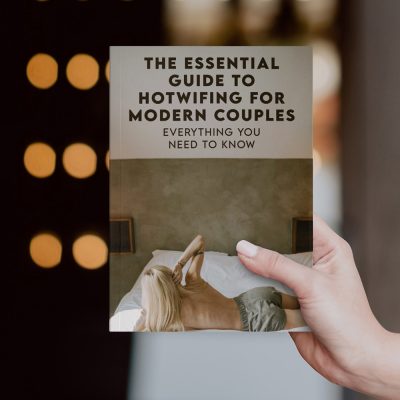
The fantasy is electric. The reality? It can feel like holding a grenade with the pin pulled. That gnawing fear that you might lose her isn't paranoia, it’s a warning. Without a battle-tested strategy, you aren't just exploring; you’re gambling with the most important thing in your life.
The Essential Guide replaces the terrifying unknown with ironclad structure. From managing primal jealousy to setting unbreakable boundaries, we provide the safety manual required to walk through the fire without getting burned. Don't guess. Know.

The fantasy is intoxicating. The reality? It can be terrifying. That sickening drop in your stomach when she leaves isn't just nerves; it's the fear of the unknown threatening everything you’ve built. Don't let vague agreements become grounds for disaster. You need structure before the chaos hits.
The Hotwife Contract Creator transforms your deepest anxieties about safety, emotions, and "going too far" into a rock-solid, signed agreement. Silence the jealousy and lock down your safety net so you can actually survive the thrill.

The fantasy is incredible, but the logistics can tear you apart. That sickening knot of anxiety you feel when she leaves isn't weakness; it's your brain warning you that you're flying without a safety net. Ambiguity is the oxygen that jealousy breathes. Don't let undefined "gray areas" become the reason your marriage implodes.
The Official Hotwife Rules Generator doesn't just list acts; it builds a protective fortress around your relationship. Get the concrete roadmap you need to ensure this high-stakes adventure doesn't turn into a disaster.

The fantasy is intoxicating. The reality? It can be a psychological car crash. That gut-wrenching drop when the bedroom door locks you out isn't just nerves, it’s a warning. 90% of men love the porn but crumble under the visceral weight of actual exclusion and emotional coldness.
This test drags your ego into the harsh light of day. We measure your resilience against the specific triggers that destroy marriages. Are you a true Cuckold or just a Tourist about to self-destruct? Check your ego before you wreck your life.

The fantasy is a rush, but the reality is a razor’s edge. That sickening drop when "humiliation" stops being a game and starts destroying his self-worth isn't a risk. It is the end of your marriage. Confusing "Stag" pride with "Cuckold" degradation is the fastest way to trauma.
This tool drags your hidden desires into the light. Pinpoint exactly where the fun stops and the pain begins, from gentle teasing to hard exclusion. Define your limits now before a misunderstanding becomes a permanent scar.

The fantasy is surrender. The reality is often shame that eats you alive. That gut-wrenching drop when the humiliation feels too real isn't part of the game. It is a warning that your psyche is cracking. Without a safety net, you aren't playing. You are traumatizing yourself.
The Essential Rules replaces reckless degradation with calculated intensity. We provide the contracts, vetting protocols, and aftercare scripts needed to explore the edge without falling off. Don't let a scene become a permanent scar.
Key terms you should know
- ENM Ethical non monogamy a relationship approach that centers on consent honesty and communication rather than rigid rules about who you can date.
- Hotwife A married or partnered woman who has sexual experiences with other partners with the knowledge and support of her primary partner.
- Primary partner The person who is considered the main emotional and romantic focus within a non monogamous arrangement.
- Compersion The feeling of joy when your partner experiences pleasure with someone else which is a common goal in healthy ENM relationships.
- Boundaries Clearly defined rules that guide how and when outside partners are involved and how to protect the primary relationship.
- Time blocking A scheduling technique where you divide the day into blocks dedicated to specific activities.
- Check in A regular conversation about how each person is feeling about the arrangement.
Principles for smart scheduling in this dynamic
- Consent first Always secure enthusiastic consent for any scheduling change that affects boundaries.
- Be explicit about availability Share calendars and be detailed about when you are free or busy so no one is guessing.
- Honor primary relationship time Protect date nights and private time together as non negotiables in the schedule.
- Respect boundaries around privacy Decide what you share with others about your schedule and what remains private between you and your partner.
- Make room for growth Build in space for exploration while keeping the core bond strong through regular check ins.
- Communicate early about changes If plans shift say something sooner rather than later to minimize frustration for everyone.
Practical tools you can use right now
- Shared calendar Use a calendar platform that both partners can access. Add blocks for personal time and for time with others. Color code so everything is visually clear.
- Time blocking Create blocks for work family rest and social time. Treat these blocks as commitments that you keep unless there is a compelling reason to change.
- Weekly cadence Schedule a standing weekly check in to review what went well and what to adjust for the coming week. Keep it short and focused.
- Buffer zones Include small buffers between commitments to handle travel delays emotion shifts or unexpected events.
- Disclosure rules Agree what details you will share with each other about outside partners and keep sensitive information within agreed boundaries.
- Communication guidelines Decide how quickly you expect replies when plans are changing and what to do if a partner is late or canceling.
Step by step scheduling process
Step 1. Define core non negotiables
Start with a clear map of your must have commitments. For the hotwife ENM setup these often include a weekly date night for the primary relationship a couple of evenings or mornings reserved for the couple to connect and non negotiable times for family and work. Write them down and treat them as fixed points on the calendar.
Step 2. Map out each partner s availability
Have a candid conversation about when each partner is available for outside connections and when they are not. This includes travel times work commitments family obligations and personal energy levels. Make a list of available windows with dates if possible. The more precise you are the less room there is for confusion later.
Step 3. Create a master schedule
Put together a master schedule that includes all the core blocks you have defined. Include time for check ins and for reflection after each outside encounter. Color code blocks by person or by activity so the layout communicates quickly.
Step 4. Establish a process for adding new outside partners
Agree on how you will bring new partners into the calendar. Decide who needs to know and who gets informed about what. A simple rule is that both partners must approve any new dating window before it appears on the shared calendar.
Step 5. Set up a weekly review
During the weekly review talk about what worked and what did not. Adjust the schedule based on energy levels feelings of jealousy or concerns about time with the primary. Keep the focus on care and growth rather than control.
Step 6. Build in flexibility with grace
No plan survives first contact with reality intact. Build in grace periods for cancellations or delays. Use a standard response template to reduce friction when plans must change.
Step 7. Create a personal time reserve
Reserve blocks for your own rest and personal pursuits. A strong ENM dynamic respects the needs of all involved. Personal space strengthens the core bond and prevents resentment from creeping in.
Real world scenarios and templates
Scenario A the busy professional household
Alex is a project manager and Sam is a designer. They have a weekly date night for their primary relationship every Friday. Fridays are protected and they reserve at least two extra evenings per month for social exploration with outside partners. They use a shared calendar with color coded blocks for primary time outside partner time and personal time. If a new outside partner requests a slot they ask for at least one week s notice and both partners discuss whether the window fits the current rhythm. If it does not fit they offer an alternative time or a different week.
Scenario B the family with kids and travel
Priya and Mateo have two kids and travel every quarter for work. They schedule outside connections during the time when the kids are with relatives or during travel where they can be discreet and safe. They keep a clear outline of boundaries with the outside partners and share travel dates in the calendar so everyone knows when the home time will be uninterrupted. They review energy levels before booking a trip and often plan a light day after travel to recuperate.
Scenario C long distance and timing windows
Jules and Casey are in a long distance ENM setup. They use a rotating window system where Jules schedules a weekly in person session when possible and Casey schedules virtual experiences in the weeks Jules is not available. They communicate thoroughly about boundaries and use a shared journal to note emotional states after each encounter. The calendar keeps both people aligned and prevents silent resentment from building up.
The fantasy is electric. The reality? It can feel like holding a grenade with the pin pulled. That gnawing fear that you might lose her isn't paranoia, it’s a warning. Without a battle-tested strategy, you aren't just exploring; you’re gambling with the most important thing in your life.
The Essential Guide replaces the terrifying unknown with ironclad structure. From managing primal jealousy to setting unbreakable boundaries, we provide the safety manual required to walk through the fire without getting burned. Don't guess. Know.
The fantasy is intoxicating. The reality? It can be terrifying. That sickening drop in your stomach when she leaves isn't just nerves; it's the fear of the unknown threatening everything you’ve built. Don't let vague agreements become grounds for disaster. You need structure before the chaos hits.
The Hotwife Contract Creator transforms your deepest anxieties about safety, emotions, and "going too far" into a rock-solid, signed agreement. Silence the jealousy and lock down your safety net so you can actually survive the thrill.
The fantasy is incredible, but the logistics can tear you apart. That sickening knot of anxiety you feel when she leaves isn't weakness; it's your brain warning you that you're flying without a safety net. Ambiguity is the oxygen that jealousy breathes. Don't let undefined "gray areas" become the reason your marriage implodes.
The Official Hotwife Rules Generator doesn't just list acts; it builds a protective fortress around your relationship. Get the concrete roadmap you need to ensure this high-stakes adventure doesn't turn into a disaster.
The fantasy is intoxicating. The reality? It can be a psychological car crash. That gut-wrenching drop when the bedroom door locks you out isn't just nerves, it’s a warning. 90% of men love the porn but crumble under the visceral weight of actual exclusion and emotional coldness.
This test drags your ego into the harsh light of day. We measure your resilience against the specific triggers that destroy marriages. Are you a true Cuckold or just a Tourist about to self-destruct? Check your ego before you wreck your life.
The fantasy is a rush, but the reality is a razor’s edge. That sickening drop when "humiliation" stops being a game and starts destroying his self-worth isn't a risk. It is the end of your marriage. Confusing "Stag" pride with "Cuckold" degradation is the fastest way to trauma.
This tool drags your hidden desires into the light. Pinpoint exactly where the fun stops and the pain begins, from gentle teasing to hard exclusion. Define your limits now before a misunderstanding becomes a permanent scar.
The fantasy is surrender. The reality is often shame that eats you alive. That gut-wrenching drop when the humiliation feels too real isn't part of the game. It is a warning that your psyche is cracking. Without a safety net, you aren't playing. You are traumatizing yourself.
The Essential Rules replaces reckless degradation with calculated intensity. We provide the contracts, vetting protocols, and aftercare scripts needed to explore the edge without falling off. Don't let a scene become a permanent scar.
Boundaries and risk management in scheduling
Setting boundaries is essential for a healthy hotwife ENM arrangement. Boundaries cover who is involved how actions are shared and how time is allocated. It is also wise to discuss risk management including sexual health privacy and consent. Agreements might include regular STI testing keeping to mutually agreed safe sex practices and reporting any boundary breach quickly with a plan to repair trust. Treat boundaries as living agreements that you review and revise as you grow together.
Communication routines that support scheduling
- Check in frequency Decide how often you will check in about how the arrangement feels. Some couples do a quick daily check in others prefer a weekly deep dive.
- Voice tone Keep language respectful and neutral especially when discussing changes. Neutral language reduces defensiveness and keeps the focus on solutions.
- Response expectations Agree on how quickly you expect replies when plans change. A clear standard reduces last minute stress for everyone.
- Post encounter debrief After a date or encounter talk about what worked what could improve and how you felt during and after. This helps you adjust the schedule with care.
Common mistakes and how to fix them
- Overloading the schedule Too many outside connections can drain energy and weaken the primary bond. Start with a lighter rhythm and build up gradually as energy allows.
- Hidden cancellations Canceling plans without explanation creates mistrust. If you must cancel share a brief reason and propose a new time promptly.
- Inconsistent communication Sporadic updates breed confusion. Establish a minimum cadence for updates even when plans are simple.
- Ignoring personal needs Focusing only on the couple or only on others can lead to burnout. Schedule personal time and protect it as firmly as you protect others time.
Health and safety in scheduling
Health is part of care. Agree on safe sex practices and routine health checks. Keep consent open and ongoing and respect that comfort levels can change over time. If a partner develops new concerns or health issues be ready to adjust the schedule accordingly. The goal is to keep everyone feeling safe and valued.
Maintaining trust through transparent calendars
A shared calendar is a visible reminder that the relationship is a team sport. It helps you celebrate the time you do have together and makes the boundaries easier to respect. If you choose to keep certain details private that is okay as long as both partners are comfortable with the level of visibility. Trust grows when you follow through on commitments and communicate clearly when plans shift.
Practical tips for delivering this plan in daily life
- Start small Begin with a single weekly block for the primary relationship and one or two outside windows. See how it feels and adjust.
- Make updates together Schedule calendar edits during your weekly check in so changes are intentional and discussed.
- Use gentle language When talking about schedule shifts use language that lowers tension and keeps focus on collaboration.
- Protect the emotional space Don t cram the schedule with drama. Leave room for processing feelings and for quiet time after intense experiences.
- Document learnings Keep notes about what scheduling choices helped you and what did not. Use these notes to guide future decisions.
Glossary of useful terms and acronyms
- ENM Ethical non monogamy a term used to describe non traditional relationship structures built on consent and honesty.
- Hotwife A wife or partnered woman who has sexual experiences with others with her primary partner s support.
- Primary partner The person who is the central relationship focus within the ENM setup.
- Compersion A positive feeling when your partner experiences pleasure with someone else.
- Boundaries Agreed limits that guide who when and how outside interactions occur.
- Time blocking A scheduling method that segments the day into blocks dedicated to different activities.
- Check in A planned conversation to assess feelings and adjust plans as needed.
Frequently asked questions
What is the first step to take when starting scheduling for the hotwife ENM dynamic
Start with a calm honest conversation about what each person wants and needs from the arrangement. Define non negotiables and share a simple calendar that marks primary time and outside connection windows. Agree on a weekly check in to review and adjust the plan as you go.
How do we handle a schedule conflict when both of us want the same outside time
Identify the most important element for each person and look for an alternative slot. If no alternative exists discuss temporary compromises and set a time to revisit. Always communicate as early as possible to limit frustration.
What should we do if one partner feels jealous or left out
Name the feeling without judgment. Schedule a dedicated space for discussing these emotions and decide on adjustments to the calendar that address the concern. Compersion grows when you feel heard and supported.
How do we protect privacy while still keeping everyone informed
Share enough information to maintain trust without disclosing private details. Establish what will be shared with who and in what context. Use anonymized notes or summaries if necessary while preserving personal boundaries.
Is it acceptable to cancel or change plans on short notice
Plans can shift. The key is to communicate early and with respect. Try to offer a concrete alternative time and explain the reason for the change. A timely heads up goes a long way toward maintaining trust.
Should we use a digital calendar or a physical planner
Both work. A shared digital calendar makes updates instant and accessible from anywhere. A physical planner can be useful for quick glance reminders in the home. Many couples use a combination to cover both needs.
How do we handle scheduling when long distance is involved
Long distance can be managed with regular virtual windows and planned visits. Create a rhythm that balances anticipation with practical limits. Keep clear notes about expectations for each session and review them regularly.
What if our schedule changes require a lot of adjustments
Start with a monthly review to streamline the process. Consider reducing weekly check ins temporarily while you settle into a sustainable rhythm. Celebrate small wins and protect time that deserves priority.
Final notes on building a resilient schedule
A strong scheduling system in the hotwife ENM dynamic is about clarity care and consistency. It is not about control it is about creating a living map that honors each person s needs while supporting growth. The calendar becomes a trusted ally when you use it to reflect your commitments realities and evolving desires. With patience kindness and steady practice you can cultivate a rhythm that keeps your primary bond strong while still inviting new experiences that feel good for everyone involved.
The fantasy is electric. The reality? It can feel like holding a grenade with the pin pulled. That gnawing fear that you might lose her isn't paranoia, it’s a warning. Without a battle-tested strategy, you aren't just exploring; you’re gambling with the most important thing in your life.
The Essential Guide replaces the terrifying unknown with ironclad structure. From managing primal jealousy to setting unbreakable boundaries, we provide the safety manual required to walk through the fire without getting burned. Don't guess. Know.
The fantasy is intoxicating. The reality? It can be terrifying. That sickening drop in your stomach when she leaves isn't just nerves; it's the fear of the unknown threatening everything you’ve built. Don't let vague agreements become grounds for disaster. You need structure before the chaos hits.
The Hotwife Contract Creator transforms your deepest anxieties about safety, emotions, and "going too far" into a rock-solid, signed agreement. Silence the jealousy and lock down your safety net so you can actually survive the thrill.
The fantasy is incredible, but the logistics can tear you apart. That sickening knot of anxiety you feel when she leaves isn't weakness; it's your brain warning you that you're flying without a safety net. Ambiguity is the oxygen that jealousy breathes. Don't let undefined "gray areas" become the reason your marriage implodes.
The Official Hotwife Rules Generator doesn't just list acts; it builds a protective fortress around your relationship. Get the concrete roadmap you need to ensure this high-stakes adventure doesn't turn into a disaster.
The fantasy is intoxicating. The reality? It can be a psychological car crash. That gut-wrenching drop when the bedroom door locks you out isn't just nerves, it’s a warning. 90% of men love the porn but crumble under the visceral weight of actual exclusion and emotional coldness.
This test drags your ego into the harsh light of day. We measure your resilience against the specific triggers that destroy marriages. Are you a true Cuckold or just a Tourist about to self-destruct? Check your ego before you wreck your life.
The fantasy is a rush, but the reality is a razor’s edge. That sickening drop when "humiliation" stops being a game and starts destroying his self-worth isn't a risk. It is the end of your marriage. Confusing "Stag" pride with "Cuckold" degradation is the fastest way to trauma.
This tool drags your hidden desires into the light. Pinpoint exactly where the fun stops and the pain begins, from gentle teasing to hard exclusion. Define your limits now before a misunderstanding becomes a permanent scar.
The fantasy is surrender. The reality is often shame that eats you alive. That gut-wrenching drop when the humiliation feels too real isn't part of the game. It is a warning that your psyche is cracking. Without a safety net, you aren't playing. You are traumatizing yourself.
The Essential Rules replaces reckless degradation with calculated intensity. We provide the contracts, vetting protocols, and aftercare scripts needed to explore the edge without falling off. Don't let a scene become a permanent scar.
