
STI Testing Schedules and Norms


So you are navigating an open mind and open doors with a hotwife setup. The goal here is simple and powerful. Everyone involved knows where they stand and everyone stays safer. This guide breaks down STI testing schedules and the norms you can actually live with in a hotwife ethical non monogamy dynamic. We keep it real, practical and human. If you are new to this or you are trying to tighten up your routines you will find clear steps, common terms explained and realistic scenarios you can adapt to your situation.
Quick Links to Useful Sections
- What is hotwife ENM and why testing matters
- Key terms you should know
- Baseline testing before opening up the dynamic
- Understanding testing cadence in an ENM hotwife dynamic
- Baseline before risk taking
- Testing after potential exposure or unsafe sex
- Regular cadence for ongoing open encounters
- Practical testing options and how to choose
- Window periods and why timing matters
- Coordinating testing across partners in a hotwife ENM setup
- What to do with results and how to respond as a unit
- Guardrails to keep your ENM journey safer
- Common scenarios and how to handle them
- Scenario one a new outside partner arrives and you want to proceed
- Scenario two a risk event occurs and you have unprotected sex
- Scenario three a test result is positive for one partner
- Glossary of useful terms and acronyms
- Frequently asked questions
- Putting it into HTML for your site
What is hotwife ENM and why testing matters
ENM stands for ethical non monogamy. In this framework all partners agree on non exclusive dating or sexual encounters while maintaining honesty and consent. A common hotwife arrangement features a primary couple where the partner who is not the primary relationship role will pursue sexual experiences with others with the knowledge and often the involvement of the other partner. The aim is not to hide mistakes but to prevent harm. The topic of testing is about reducing risk for everyone involved while keeping the dynamic healthy and enjoyable.
Testing becomes part of the routine the same way scheduling dates or planning safe sex is. It is a practical tool that helps everyone protect their health and keep trust levels high. It can feel clinical at times but the outcome is simple and meaningful. You get to enjoy the freedom of your relationship while making responsible decisions for your own body and the bodies of your partners.
Key terms you should know
Here are the terms that show up most often in hotwife ENM testing conversations. We explain them in plain language so they are easy to act on.
- ENM Ethical non monogamy. A relationship style in which partners agree to pursue sexual or romantic connections outside the primary relationship with consent and communication.
- Hotwife A term used to describe a wife or female partner who has sexual experiences with others outside her primary relationship with her partner s knowledge.
- STI Sexually transmitted infection. Some people still use the older term STD which stands for sexually transmitted disease. The shift to STI emphasizes the variability of infections that may not show symptoms.
- NAAT Nucleic acid amplification test. A modern test used to detect infections such as chlamydia and gonorrhea from urine or swab specimens.
- HIV Human immunodeficiency virus. The virus that attacks the body s immune system. Testing helps determine if someone is infected and how to protect others.
- Hepatitis B and C Viral infections that affect the liver. Testing and vaccination are common ways to prevent serious health issues.
- Syphilis A bacterial infection that is tested for with blood tests and can be treated effectively when detected early.
- HSV Herpes simplex virus. There are two types HSV 1 and HSV 2. Blood tests can indicate past exposure but not always current contagiousness.
- Window period The time after exposure during which a test may not detect an infection yet. Understanding this helps plan when to test again after a possible exposure.
- Baseline testing Tests done before engaging in new or higher risk activities to establish a health starting point for all partners.
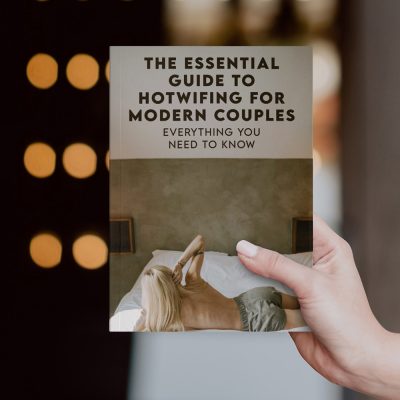
The fantasy is electric. The reality? It can feel like holding a grenade with the pin pulled. That gnawing fear that you might lose her isn't paranoia, it’s a warning. Without a battle-tested strategy, you aren't just exploring; you’re gambling with the most important thing in your life.
The Essential Guide replaces the terrifying unknown with ironclad structure. From managing primal jealousy to setting unbreakable boundaries, we provide the safety manual required to walk through the fire without getting burned. Don't guess. Know.

The fantasy is intoxicating. The reality? It can be terrifying. That sickening drop in your stomach when she leaves isn't just nerves; it's the fear of the unknown threatening everything you’ve built. Don't let vague agreements become grounds for disaster. You need structure before the chaos hits.
The Hotwife Contract Creator transforms your deepest anxieties about safety, emotions, and "going too far" into a rock-solid, signed agreement. Silence the jealousy and lock down your safety net so you can actually survive the thrill.

The fantasy is incredible, but the logistics can tear you apart. That sickening knot of anxiety you feel when she leaves isn't weakness; it's your brain warning you that you're flying without a safety net. Ambiguity is the oxygen that jealousy breathes. Don't let undefined "gray areas" become the reason your marriage implodes.
The Official Hotwife Rules Generator doesn't just list acts; it builds a protective fortress around your relationship. Get the concrete roadmap you need to ensure this high-stakes adventure doesn't turn into a disaster.

The fantasy is intoxicating. The reality? It can be a psychological car crash. That gut-wrenching drop when the bedroom door locks you out isn't just nerves, it’s a warning. 90% of men love the porn but crumble under the visceral weight of actual exclusion and emotional coldness.
This test drags your ego into the harsh light of day. We measure your resilience against the specific triggers that destroy marriages. Are you a true Cuckold or just a Tourist about to self-destruct? Check your ego before you wreck your life.

The fantasy is a rush, but the reality is a razor’s edge. That sickening drop when "humiliation" stops being a game and starts destroying his self-worth isn't a risk. It is the end of your marriage. Confusing "Stag" pride with "Cuckold" degradation is the fastest way to trauma.
This tool drags your hidden desires into the light. Pinpoint exactly where the fun stops and the pain begins, from gentle teasing to hard exclusion. Define your limits now before a misunderstanding becomes a permanent scar.

The fantasy is surrender. The reality is often shame that eats you alive. That gut-wrenching drop when the humiliation feels too real isn't part of the game. It is a warning that your psyche is cracking. Without a safety net, you aren't playing. You are traumatizing yourself.
The Essential Rules replaces reckless degradation with calculated intensity. We provide the contracts, vetting protocols, and aftercare scripts needed to explore the edge without falling off. Don't let a scene become a permanent scar.
Baseline testing before opening up the dynamic
Baseline testing is your safety net. The goal is to have an honest health starting point for everyone involved. In a hotwife ENM setup baseline testing typically includes the major infections that can be contracted through sexual contact. It is not a weird or punitive thing. It is practical and respectful and it helps you avoid ambiguous situations later on.
Baseline tests usually include a panel that covers the following infections:
- HIV
- Syphilis
- Chlamydia and gonorrhea using NAAT from appropriate samples
- Hepatitis B and C
- Optional HSV testing depending on risk factors and personal preference
Who should get the baseline tests depends on your setup. In many hotwife arrangements the primary partner or couple will all test together before the first encounter outside of the home. This creates a clean health starting point and removes a lot of guesswork. If you have more than one outside partner you may choose to test periodically or after specific events. The key is to decide a plan you can keep and discuss it openly with all involved parties.
Understanding testing cadence in an ENM hotwife dynamic
The cadence you choose should reflect risk and your levels of comfort. The general idea is to test before you begin sexual activity with someone new, test again after any risk event and test on a regular schedule if you continue to have sex with new partners. You can always adjust this plan based on your experiences and medical advice. The goal is not to be perfect but to keep yourself and your partners safer while preserving the flow of your relationship.
Baseline before risk taking
Before anyone in the hotwife dynamic meets someone new or changes the nature of their encounters you should consider completing a baseline panel. The baseline ensures all parties know their status and are starting from the same health ground. It also provides a reference point if concerns ever arise later on. Baseline testing is not a one time requirement for life but a step to establish your starting point.
Testing after potential exposure or unsafe sex
When there is any potential exposure to an infection you should plan a retest. For bacterial infections like chlamydia and gonorrhea a NAAT test is most reliable about one week after exposure if symptoms are present or a high risk activity occurred. For most people a retest two weeks after exposure ensures you capture early infections that were not detectable right away. If you have had unprotected sex or intercourse with a new partner you should consider testing again at standard intervals recommended by medical guidance or your clinician.
For infections like HIV the window period can be longer. It is common to test at baseline then again at six weeks and three months after exposure to be reasonably confident. Always follow medical advice and the guidance of your clinician because individual factors can change the timing recommendations.
Regular cadence for ongoing open encounters
If your hotwife dynamic includes ongoing sexual activity with new partners you may want a regular cadence at three to six months. Some couples choose to test with every new partner while others prefer a fixed schedule such as every three to six months. The key is to align with everyone s comfort level while keeping the conversation open about what is working and what is not.
Practical testing options and how to choose
The testing options you choose should fit your life. Here are practical choices and how they fit in with a hotwife ENM dynamic.
- NAAT for chlamydia and gonorrhea This is the most common test used to detect these infections. It can be done with urine samples for men and with vaginal or cervical swabs for women. It is highly accurate when performed at the right time after exposure.
- Blood tests for HIV and hepatitis These require a blood sample and can be done with venipuncture or finger prick in some clinics. The tests for HIV are highly accurate after the window period has passed.
- Blood tests for syphilis This is typically done with a blood draw and can detect recent or past infections depending on the test type.
- HSV antibody tests These tests show past exposure to herpes but they do not identify current contagiousness. They can be optional depending on risk and in some cases may cause anxiety without changing behavior. Discuss the value with your clinician before ordering.
- Hepatitis B surface antigen and Hepatitis C antibody tests These help identify current infection status and past exposure. Depending on vaccination history you may not need all of these tests.
When you choose a testing plan consider access and convenience. Many communities offer low cost or free clinics that respect privacy. Some people use at home test kits for convenient screening. If you use home tests you should still verify results with a clinician or a public health facility, especially if a result is positive or inconclusive. The goal is to stay informed and to act quickly if treatment is needed.
Window periods and why timing matters
Window periods are the gaps after exposure when a test could still produce a false negative. Understanding window periods helps you plan repeat testing so you do not miss an infection. Here is a practical guide to common infections and their typical windows.
- Chlamydia and gonorrhea NAAT tests are often reliable one to two weeks after exposure but many clinicians recommend a second test after two to four weeks if risk remains high.
- HIV testing is generally accurate after the three month mark for most standard tests. Some tests can detect infections earlier but a confirmatory test is often advised after the window period.
- Syphilis can be detected within weeks after infection but early tests may be inconclusive. If exposure is ongoing you may want to test again after several weeks.
- Hepatitis B and C tests have their own timelines based on the test type. A clinician can guide you on the best schedule given vaccination status and exposure history.
Always discuss timing with your healthcare provider. They can tailor the schedule based on your specific risk profile and the tests you choose to use. The science is evolving and your plan should reflect your current situation and the latest medical guidance.
Coordinating testing across partners in a hotwife ENM setup
Coordination is a big part of success in ENM. When you are working with a primary couple and a hotwife who has outside partners the practical steps matter just as much as the emotional ones. Here are actionable ideas to keep testing aligned with your relationship goals.
- Agree on a shared baseline Make sure everyone involved has completed baseline testing before engaging with each other. This sets a common starting point and reduces ambiguity.
- Set a transparent schedule Decide together how often you will test and what tests you will include. Document the plan in a neutral place where all parties can access it.
- Use reminders Calendar reminders help ensure testing does not slip through the cracks. A simple reminder a few days before a planned risk event can make a big difference.
- Share non identifying results If partners are comfortable sharing results you can maintain trust without disclosing sensitive details. Some couples prefer to keep results confidential and focus on the plan and actions instead.
- Coordinate with clinics and labs If possible arrange a point of contact at a clinic who understands your dynamic. This can speed up the process and make logistics smoother.
The core aim is clear communication and dependable health practices. When testing is a normal part of your routine you reduce anxiety and keep the energy of your dynamic in a positive space.
What to do with results and how to respond as a unit
Positive results can feel scary at first. The most important step is to stay calm and act quickly. Here is a practical response plan that works in a hotwife ENM setting.
- Confirm the result with a second test In many cases a follow up test is recommended to confirm results especially if the positive result is unexpected. The confirmation helps avoid unnecessary anxiety.
- Follow medical advice For infections that are treatable such as chlamydia or gonorrhea treatment is usually simple and effective. Teaching and supporting each other through treatment is part of responsible relationship care.
- Communicate with partners Notify partners with care and avoid sharing sensitive health information publicly. The way you share is a personal choice but consider their safety and respect their privacy.
- Re evaluate your plan After treatment discuss how the testing plan should adjust. You may want to increase the frequency or modify the tests you perform based on experience.
Guardrails to keep your ENM journey safer
Testing is a strong guardrail but not the only one. You can combine testing with practical safety measures to reduce risk even further. Here are solid guardrails you can implement with minimal drama.
- Condom use Use condoms consistently with partners who are not in your primary relationship or when you are not sure about a partner s status. Condoms are highly effective for many infections when used correctly.
- Vaccination Keep up with vaccines for hepatitis B and other vaccines as recommended by your clinician. Vaccination is a proactive step that protects you and reduces risk across the board.
- Open and honest communication Foster a culture where concerns are shared without judgement. A strong foundation helps everyone stay safe and feel respected.
- Clear boundaries Define what is allowed and what is not. Boundaries help manage expectations and reduce pressure during testing discussions.
- Regular check ins Set aside time to review how the testing plan is working. Make small adjustments rather than big overhauls unless necessary.
Common scenarios and how to handle them
Reality rarely matches a perfect plan. Here are some typical situations and practical responses you can customize to fit your relationship.
Scenario one a new outside partner arrives and you want to proceed
Before any sexual encounter ensure baseline tests are completed by all parties with results discussed in a non judgemental way. Provide the partner with general information about your testing expectations and how you will share results. This approach reduces uncertainty and helps everyone feel included in the safety plan.
Scenario two a risk event occurs and you have unprotected sex
Address the event openly with your partner and plan a quick retest schedule. If possible arrange testing for all involved and share results once they are confirmed. This approach maintains trust and keeps risk management under control.
Scenario three a test result is positive for one partner
Take responsibility and follow the medical guidance. Communicate what that means for current and future encounters and talk about how the plan changes moving forward. Supporting the partner through treatment and recovery is essential to maintaining a strong ENM bond.
Glossary of useful terms and acronyms
- ENM Ethical non monogamy a relationship style with consent and honest communication about multiple intimate relationships.
- NAAT Nucleic acid amplification test used to detect infections such as chlamydia and gonorrhea.
- HIV Virus that attacks the immune system and can be managed with treatment and prevention strategies.
- HSV Herpes simplex virus a common infection with two main types and a variety of symptom patterns.
- Syphilis A bacterial infection that is treatable when detected early.
- Hepatitis B A liver infection with a vaccine available to prevent disease.
- Hepatitis C A liver infection that is treatable with modern medicines in many cases.
- Baseline testing Health checks completed before starting or extending risk activities to set a starting point for all partners.
- Window period The time after exposure when a test may not yet detect an infection.
Frequently asked questions
What does ENM mean and how does it relate to testing
ENM stands for ethical non monogamy. It means all parties communicate openly about sexual activity with others and agree on rules. Testing fits into the ethical frame by protecting everyone s health and respecting boundaries. It is a practical safety measure rather than a sign of risk or failure.
What STI tests should I get baseline before starting ENM
A practical baseline panel includes HIV and hepatitis tests along with a syphilis test and screening for chlamydia and gonorrhea using NAAT. HSV blood testing is optional and should be discussed with your clinician as it does not always reflect current contagiousness. Vaccination history for hepatitis B should be reviewed as well.
How often should testing occur in hotwife ENM
Baseline testing is followed by a plan that fits your activity level. If encounters with new partners are frequent you may test every three months or after every new partner. If encounters are less frequent a three to six month cadence can work well. The key is to discuss it openly and adjust as needed.
What should I do after potential exposure
Plan a retest after the appropriate window period for the infection in question. If you are unsure you should contact a clinician for guidance. If a partner may have acquired an infection they should seek testing promptly and maintain open communication with you and any other involved partners.
Should both partners test together
Testing together is often the simplest route to ensure everyone is aligned. When possible coordinate appointments and share results in a way that respects privacy and comfort levels. The goal is transparency without forcing personal disclosures beyond what each person agrees to.
Can I test at home and still stay safe
Home test kits can be convenient for screening but you should follow up with a clinician if a result is positive or inconclusive. The reliability of home tests varies by infection. When in doubt use a clinic laboratory service to confirm results and to receive guidance on treatment.
What if a test result is positive
Treatments are available for most bacterial infections and some viral infections. Seek treatment promptly and communicate with partners about what is required to reduce risk. Re test as recommended by your clinician after treatment to confirm clearance and discuss next steps for your testing cadence.
Is there a recommended testing cadence for new partners
Yes a balanced approach is to baseline test before any new primary activation and then re test after a defined window period if exposure has occurred. If you are dating many partners you may want to test after each encounter or at a regular quarterly cadence. The exact plan should be agreed by all involved and reviewed periodically.
Putting it into HTML for your site
If you are using this as a page on your website you can paste the code exactly as shown here. You can customize the examples to reflect your own experiences while maintaining the clear structure. The headings follow a logical order to help readers scan for the details they need. The glossary and the FAQ deliver quick references for common questions. The JSON LD block adds a helpful FAQ schema for search engines to pick up and improve your page visibility.
The fantasy is electric. The reality? It can feel like holding a grenade with the pin pulled. That gnawing fear that you might lose her isn't paranoia, it’s a warning. Without a battle-tested strategy, you aren't just exploring; you’re gambling with the most important thing in your life.
The Essential Guide replaces the terrifying unknown with ironclad structure. From managing primal jealousy to setting unbreakable boundaries, we provide the safety manual required to walk through the fire without getting burned. Don't guess. Know.
The fantasy is intoxicating. The reality? It can be terrifying. That sickening drop in your stomach when she leaves isn't just nerves; it's the fear of the unknown threatening everything you’ve built. Don't let vague agreements become grounds for disaster. You need structure before the chaos hits.
The Hotwife Contract Creator transforms your deepest anxieties about safety, emotions, and "going too far" into a rock-solid, signed agreement. Silence the jealousy and lock down your safety net so you can actually survive the thrill.
The fantasy is incredible, but the logistics can tear you apart. That sickening knot of anxiety you feel when she leaves isn't weakness; it's your brain warning you that you're flying without a safety net. Ambiguity is the oxygen that jealousy breathes. Don't let undefined "gray areas" become the reason your marriage implodes.
The Official Hotwife Rules Generator doesn't just list acts; it builds a protective fortress around your relationship. Get the concrete roadmap you need to ensure this high-stakes adventure doesn't turn into a disaster.
The fantasy is intoxicating. The reality? It can be a psychological car crash. That gut-wrenching drop when the bedroom door locks you out isn't just nerves, it’s a warning. 90% of men love the porn but crumble under the visceral weight of actual exclusion and emotional coldness.
This test drags your ego into the harsh light of day. We measure your resilience against the specific triggers that destroy marriages. Are you a true Cuckold or just a Tourist about to self-destruct? Check your ego before you wreck your life.
The fantasy is a rush, but the reality is a razor’s edge. That sickening drop when "humiliation" stops being a game and starts destroying his self-worth isn't a risk. It is the end of your marriage. Confusing "Stag" pride with "Cuckold" degradation is the fastest way to trauma.
This tool drags your hidden desires into the light. Pinpoint exactly where the fun stops and the pain begins, from gentle teasing to hard exclusion. Define your limits now before a misunderstanding becomes a permanent scar.
The fantasy is surrender. The reality is often shame that eats you alive. That gut-wrenching drop when the humiliation feels too real isn't part of the game. It is a warning that your psyche is cracking. Without a safety net, you aren't playing. You are traumatizing yourself.
The Essential Rules replaces reckless degradation with calculated intensity. We provide the contracts, vetting protocols, and aftercare scripts needed to explore the edge without falling off. Don't let a scene become a permanent scar.
