
Using Therapy or Coaching Support

If you are navigating a hotwife ENM dynamic and you feel stuck or overwhelmed there is a path forward that can keep the relationship healthy and joyful. Therapy and coaching offer tools to handle jealousy improve communication set boundaries and keep consent and safety at the center. This guide breaks down what therapy and coaching are how they differ what they can help with and how to find a professional who understands the unique needs of ethical non monogamy in particular the hotwife dynamic. We will explain terms and acronyms and offer realistic scenarios to help you choose the right path for your relationship.
Quick Links to Useful Sections
- What this guide covers
- Understanding hotwife ENM and why support matters
- Therapy versus coaching what is the difference
- Therapy explained
- Coaching explained
- Key differences at a glance
- Who benefits from therapy or coaching in a hotwife ENM dynamic
- Signs that you might want to seek support
- How to choose the right professional
- Clarify your goals
- Decide therapy or coaching first
- Look for experience with ENM and sexual ethics
- Check credentials and approach
- Safety and confidentiality
- Ask practical questions
- How to prepare for your first session
- What a typical session can look like
- Boundaries consent and safety in professional support
- Practical tools you can start using now
- Jealousy diary
- Boundary mapping
- Communication scripts
- Consent and agreement templates
- Safety plan for sexual health
- Common challenges and how to navigate them
- Persistent jealousy that disrupts life
- Boundary drift or fatigue
- Communication gaps
- Power dynamics and control concerns
- Sexual health and safety tensions
- Realistic scenarios you might encounter
- Glossary of useful terms and acronyms
- Frequently asked questions
What this guide covers
We will demystify therapy and coaching in the context of a hotwife ENM setup. You will learn how to decide between therapy and coaching what to expect in sessions how to prepare and how to talk to your partner about seeking support. You will also find practical exercises that you can try today and a glossary of common terms so you can start conversations from a place of confidence.
Understanding hotwife ENM and why support matters
The hotwife dynamic is a form of ethical non monogamy where a primary partner or couple invites sexual or romantic experiences with others while maintaining emotional commitment to the primary relationship. ENM stands for ethical non monogamy. In this context women may be referred to as hotwives when they take on sexual roles with others outside the primary relationship under agreed boundaries. The couple or the individual exploring ENM may encounter powerful emotions jealousy insecurity fear of loss and questions about trust. These feelings are not a failure they are signals that you may want to adjust boundaries communicate more clearly or build new skills. Therapy and coaching can be part of a healthy toolkit to navigate these feelings while honoring everyone involved.
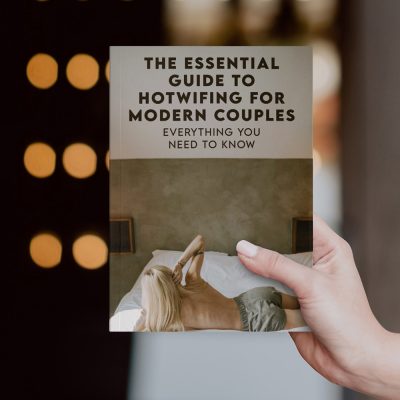
The fantasy is electric. The reality? It can feel like holding a grenade with the pin pulled. That gnawing fear that you might lose her isn't paranoia, it’s a warning. Without a battle-tested strategy, you aren't just exploring; you’re gambling with the most important thing in your life.
The Essential Guide replaces the terrifying unknown with ironclad structure. From managing primal jealousy to setting unbreakable boundaries, we provide the safety manual required to walk through the fire without getting burned. Don't guess. Know.
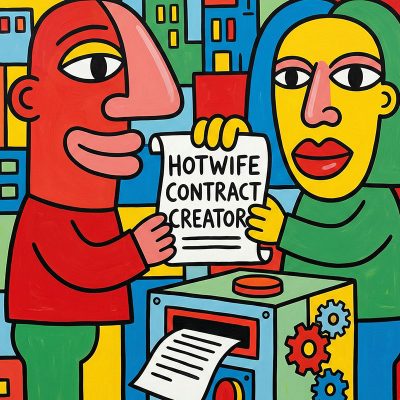
The fantasy is intoxicating. The reality? It can be terrifying. That sickening drop in your stomach when she leaves isn't just nerves; it's the fear of the unknown threatening everything you’ve built. Don't let vague agreements become grounds for disaster. You need structure before the chaos hits.
The Hotwife Contract Creator transforms your deepest anxieties about safety, emotions, and "going too far" into a rock-solid, signed agreement. Silence the jealousy and lock down your safety net so you can actually survive the thrill.
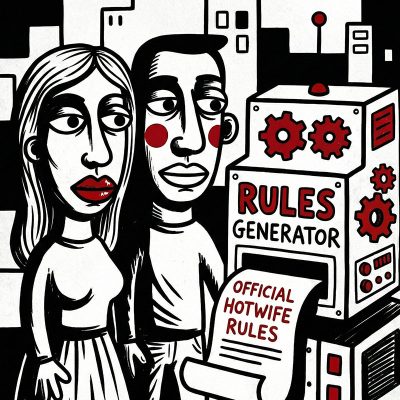
The fantasy is incredible, but the logistics can tear you apart. That sickening knot of anxiety you feel when she leaves isn't weakness; it's your brain warning you that you're flying without a safety net. Ambiguity is the oxygen that jealousy breathes. Don't let undefined "gray areas" become the reason your marriage implodes.
The Official Hotwife Rules Generator doesn't just list acts; it builds a protective fortress around your relationship. Get the concrete roadmap you need to ensure this high-stakes adventure doesn't turn into a disaster.
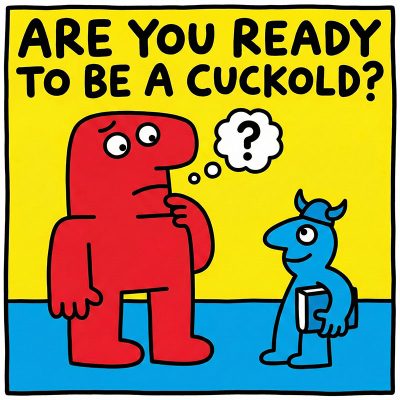
The fantasy is intoxicating. The reality? It can be a psychological car crash. That gut-wrenching drop when the bedroom door locks you out isn't just nerves, it’s a warning. 90% of men love the porn but crumble under the visceral weight of actual exclusion and emotional coldness.
This test drags your ego into the harsh light of day. We measure your resilience against the specific triggers that destroy marriages. Are you a true Cuckold or just a Tourist about to self-destruct? Check your ego before you wreck your life.
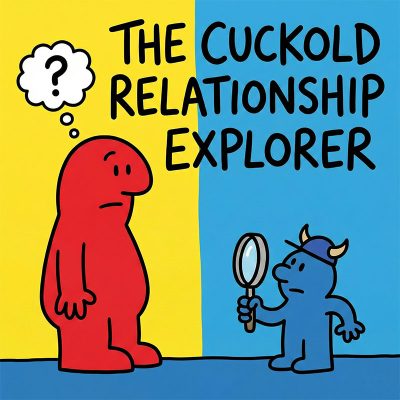
The fantasy is a rush, but the reality is a razor’s edge. That sickening drop when "humiliation" stops being a game and starts destroying his self-worth isn't a risk. It is the end of your marriage. Confusing "Stag" pride with "Cuckold" degradation is the fastest way to trauma.
This tool drags your hidden desires into the light. Pinpoint exactly where the fun stops and the pain begins, from gentle teasing to hard exclusion. Define your limits now before a misunderstanding becomes a permanent scar.
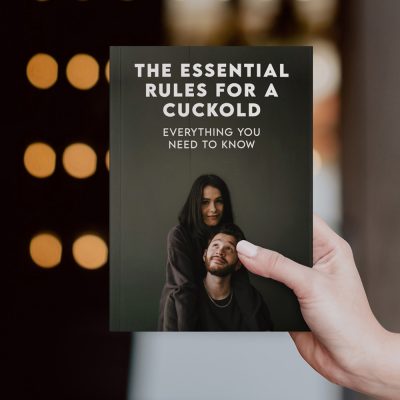
The fantasy is surrender. The reality is often shame that eats you alive. That gut-wrenching drop when the humiliation feels too real isn't part of the game. It is a warning that your psyche is cracking. Without a safety net, you aren't playing. You are traumatizing yourself.
The Essential Rules replaces reckless degradation with calculated intensity. We provide the contracts, vetting protocols, and aftercare scripts needed to explore the edge without falling off. Don't let a scene become a permanent scar.
Therapy versus coaching what is the difference
Therapy and coaching are both professional supports but they take different angles on growth and change. Understanding the distinction helps you choose the right fit for your situation.
Therapy explained
Therapy is a clinical process led by trained mental health professionals such as licensed clinical social workers licensed professional counselors licensed marriage and family therapists or psychologists. Therapy focuses on mental health symptoms past traumas relationship patterns and long term well being. It is a space to explore difficult feelings and experiences with a professional who can diagnose and treat issues if needed. In a hotwife ENM context therapy can help with jealousy management trauma responses anxiety communication patterns attachment concerns boundary erosion and relationship resilience. Therapy often takes place on a regular schedule with ongoing assessment of progress and mental health outcomes.
Coaching explained
Coaching is a skill based approach that helps clients achieve specific relationship goals faster. A coach focuses on present day behaviors practical strategies and accountability. In the hotwife ENM world coaching can support you with communication skills boundary setting negotiation techniques consent conversations and action plans. Coaching tends to be more structured around goals and less about diagnosing mental health concerns. It can be a good fit when the focus is on building new habits processing conflict effectively and aligning on expectations rather than addressing deep rooted psychological issues.
Key differences at a glance
- Therapy centers on mental health and past experiences while therapy aims to improve overall well being and resolve underlying patterns.
- Coaching focuses on present behavior change and practical outcomes with clear steps and accountability.
- Therapists are licensed to diagnose and treat mental health conditions coaching professionals may hold certifications in counseling coaching or relationship work but they do not provide clinical diagnoses.
- Both paths can be valuable in a hotwife ENM dynamic but your choice depends on whether your primary need is mental health support or skill based growth.
Who benefits from therapy or coaching in a hotwife ENM dynamic
Almost anyone involved in a hotwife ENM arrangement can benefit from professional support at some point. This could include the hot wife who wants to navigate boundaries and jealousy more calmly the primary partner who is processing insecurity or the couple who wants to rebuild trust after a challenging experience. Individuals may seek therapy or coaching in isolation or both partners may engage in joint sessions. The goal is not to fix someone it is to improve communication reduce harm and create a sustainable framework for ethical non monogamy that works for everyone involved.
Signs that you might want to seek support
Consider therapy or coaching if you notice persistent patterns such as chronic jealousy that interferes with daily life recurring arguments about boundaries or feelings of powerlessness or if you fear that your ENM experiences could lead to harm or a breakup. Coaching might be a better fit if you mostly want to improve specific skills such as how to negotiate boundaries how to articulate needs or how to plan for sexual encounters in a way that respects all parties. If there are any mental health concerns like anxiety depression or trauma those are areas where therapy is especially helpful and often recommended as the first step before engaging in more advanced relationship work.
How to choose the right professional
Finding someone who understands ENM and the hotwife dynamic is crucial. A mismatch can leave you frustrated or even harmed. Here is a practical approach to finding the right fit.
Clarify your goals
Before you search write down your goals for seeking support. For example you might want to reduce jealousy increase communication clarity create a clear set of boundaries that feel fair to everyone or learn how to talk about experiences without drama. Clear goals help you interview potential providers and measure progress later on.
Decide therapy or coaching first
If you are dealing with acute mental health concerns such as anxiety panic attacks or past trauma start with therapy. If your primary need is skill based growth such as boundary setting negotiation or communication improvement coaching can be a strong first choice. Some people use both sequentially or simultaneously with different providers.
Look for experience with ENM and sexual ethics
Ask prospective practitioners about their experience with ethical non monogamy hotwife dynamics and relationship boundaries. You want a professional who can discuss topics like consent autonomy relationship equity and safe sex practices in a respectful and non judgmental way. If they are new to ENM ask how they plan to educate themselves and what efforts they will make to understand your perspective.
Check credentials and approach
Therapists will have licenses and or board certifications in psychology social work marriage family therapy or counseling. Coaches may hold certifications in relationship coaching but not a clinical license. Ask about their approach how they structure sessions what tools they use and how they measure progress. It is reasonable to request a short consultation to assess fit before committing long term.
Safety and confidentiality
Confidentiality is essential in therapy and coaching. Make sure the provider explains their privacy policies especially around what happens if a partner wants to attend sessions jointly or if there are safety concerns involving other partners. If you live in a jurisdiction with mandatory reporting rules clarify how those rules would apply in your situation.
Ask practical questions
Useful questions include how many sessions they typically recommend what is the expected duration of engagement how do they tailor programs to non traditional relationship structures what is the cost and is sliding scale available do they accept insurance and what is the cancellation policy.
How to prepare for your first session
Being prepared helps you get more from the session and reduces anxiety. Here is a simple preparation checklist.
- Define your goals and specific outcomes you want to achieve.
- Prepare a brief history of your ENM journey including boundaries that now exist and past conflicts that matter.
- Decide who will participate if you are doing couples work and whether both partners want to attend every session or alternate.
- Bring any notes you have about recent experiences that felt triggering or confusing.
- Write down the key phrases you want to be able to express clearly with your partner or the other party involved in ENM activities.
What a typical session can look like
Therapy sessions usually involve a licensed clinician asking questions to understand your emotional experience and your history. They may use structured assessments and talk through coping strategies. The aim is to reduce symptoms of distress and improve relationship functioning. In a hotwife ENM context therapy can help with processing jealousy addressing attachment concerns developing safer sexual health practices and strengthening communication patterns.
Coaching sessions tend to be more action oriented. You and your coach will set concrete goals and track progress. You may practice scripts for conversations design a boundary map or create an escalation plan for dealing with triggers. The sessions are collaborative with an emphasis on practical change and accountability. Some people prefer to combine coaching with therapy so they can address underlying issues while building new skills.
Boundaries consent and safety in professional support
Boundaries are the backbone of healthy ENM practice. When you bring a professional into the mix boundaries around what is discussed who has access to information how data is stored and how results are measured become critical. A good therapist or coach will explicitly discuss confidentiality consent forms safety planning and the ethical use of information collected in sessions. If you are working with multiple partners or with a hotwife who is dating outside the primary relationship you may also want to discuss how to handle disclosures in a way that protects privacy for everyone involved.
Safety planning is not about restricting your freedom it is about reducing risk. This includes considering sexual health strategies such as regular STI testing ensuring informed consent for all parties and agreeing on boundaries that respect the comfort levels of every participant. If safety concerns arise a professional should guide you through steps to address them without shaming or pressuring anyone in the group.
Practical tools you can start using now
These tools are practical and transferable to daily life in a hotwife ENM arrangement. They can be used with or without a therapist or coach and can help you build a healthier dynamic quickly.
Jealousy diary
Keep a simple diary of moments when jealousy spikes. Note what happened what you felt what thoughts came up and what helped calm you down. Over time patterns emerge and you can address those patterns with your partner or with a professional.
Boundary mapping
Draw a map of boundaries that matter to you. Include who what where and when. Be specific about activities that are allowed with which partners and what changes would require renegotiation. Review and revise the map as the relationship grows and as you gain clarity.
Communication scripts
Prepare short scripts for common conversations. For example a script to request a check in with your partner after a date with another person a script to express a boundary that feels risky and a script to express appreciation when your partner is respectful of agreed limits.
Consent and agreement templates
Draft simple written agreements that spell out consent for activities who is involved what the boundaries are and how you will handle disagreements. This does not have to be a legal document but it creates a shared reference point you can revisit.
Safety plan for sexual health
Develop a plan to reduce health risks including regular testing sharing results with partners and agreeing on protective measures. Make sure everyone involved understands the plan and agrees to follow it.
Common challenges and how to navigate them
Every ENM journey has rough patches. Here are frequent issues and constructive ways to handle them with professional support.
Persistent jealousy that disrupts life
Jealousy does not mean you are a bad person it is a signal that needs attention. A therapist can help you identify triggers reframe thoughts and create coping strategies. A coach can help you practice scripts and build resilience through gradual exposure to triggers in a controlled way.
Boundary drift or fatigue
Boundaries are not set in stone. They evolve as people grow. If you notice drift or fatigue revisit the boundary map together with your partner and if needed with a professional to renegotiate fairly.
Communication gaps
Many conflicts stem from misunderstandings. Structured sessions with a professional can teach you how to listen to what is being said and what is not being said how to paraphrase and how to request changes without escalation.
Power dynamics and control concerns
Some people worry about power imbalances in ENM. A therapist can help you examine these concerns and propose adjustments to make the dynamic feel more balanced while still honoring everyone s choices.
Sexual health and safety tensions
Discussions about sex outside the primary relationship can spark fear or stigma. A professional can guide conversations that center consent transparency and respect for boundaries while prioritizing safety and well being for all involved.
Realistic scenarios you might encounter
Scenario one involves a hotwife who has begun dating casually and notices a rise in insecurity from her primary partner. They decide to work with a therapist to build a glow up plan around communication and boundaries. They track triggers in a jealousy diary and practice new scripts. Over time they find a rhythm that feels safe and exciting rather than draining.
Scenario two centers on a couple who wants to expand their ENM play but worries about messaging and consent. They hire a coach to design a negotiation framework teaching both partners to articulate what they want and to hear the other person s needs without judgment. They set clear renegotiation points which helps reduce fear and increases trust.
Scenario three shows a hotwife who experiences anxiety around STI risk and wants a health focused plan. A therapist helps them assess risk tolerance and a coach helps implement practical steps. They partner with healthcare professionals and align on testing schedules and communication routines with partners.
Scenario four deals with a boundary violation that created a breach of trust. A therapist leads a repair process exploring underlying emotions and guiding both partners toward accountability and healing while preserving a respectful ENM path with clarified boundaries.
Glossary of useful terms and acronyms
- Hotwife A woman who has sexual experiences with others outside her primary relationship with the consent and often involvement of her partner.
- ENM Ethical non monogamy a form of relationship where people consent to more than one romantic or sexual connection.
- Therapy A clinical service provided by licensed mental health professionals focusing on mental health and relational well being.
- Coaching A goal focused supportive service aimed at improving skills and behavior in specific areas of life and relationships.
- Boundaries Agreed limits about what is allowed and what is not in a relationship together with corresponding consequences.
- Consent Informed voluntary agreement to engage in a specific activity with mutual understanding and respect for boundaries.
- STI Sexually transmitted infection infections that can be transmitted through sexual contact and require careful health practices.
- Safety plan A written approach to reduce risk and protect health and well being for all parties involved in ENM.
- Jealousy diary A simple log used to track triggers emotions and context around insecurities.
- Boundary map A visual or written guide detailing what is allowed who it involves and when boundaries should be revisited.
Remember that seeking support is a strength not a flaw. The goal is to grow together with care and to keep the relationship respectful and exciting. The right professional can help you move from confusion and fear to clarity and confidence while honoring the values you share in your hotwife ENM journey.
Never forget that every relationship is unique and what works for one couple may not work for another. The most important work is ongoing consent honest communication and a willingness to adjust as life evolves inside the ENM space.
Frequently asked questions
How do I know if I should choose therapy or coaching for my hotwife ENM dynamic?
If you are dealing with persistent mental health concerns or past trauma therapy is usually the better first step. If you want practical skills to negotiate boundaries communicate needs and implement changes coaching can be a strong fit. Many people use both in sequence or in parallel to address different needs.
What should I look for when interviewing a therapist or coach for ENM work?
Ask about their experience with ethical non monogamy and specifically the hotwife dynamic. Inquire about their approach to boundaries safety consent and how they handle confidentiality. Request a short consultation to assess compatibility and comfort level before committing.
Can therapy help with jealousy without pathologizing my feelings?
Yes. A skilled therapist will acknowledge jealousy as a normal human emotion and provide tools to understand triggers develop coping strategies and communicate more effectively with your partner while maintaining respect for everyone's autonomy.
Is it normal to involve both partners in sessions?
Many couples choose to attend joint sessions to build shared language and to align on goals. Some topics may be best addressed in individual sessions first before coming together. Your provider can help you decide what mix works best for you.
How many sessions will I need?
That depends on your goals and the complexity of the situation. Some people see progress in a few sessions while others engage in longer term work. A provider can give an estimate after a few initial meetings and adjust as needed.
What if someone feels unsafe or experiences coercion in ENM activities?
If safety concerns arise a professional will help you create a safety plan and enforce boundaries. In extreme cases they will refer you to emergency resources or appropriate authorities. Your safety and consent are non negotiable and must be prioritized.
Should I tell my other partners that I am seeking therapy or coaching?
This is a personal decision. Some people share as a way to strengthen trust and transparency while others prefer to keep sessions private to protect confidentiality. Consider your own comfort level and the potential impact on your relationships when making this choice.
The fantasy is electric. The reality? It can feel like holding a grenade with the pin pulled. That gnawing fear that you might lose her isn't paranoia, it’s a warning. Without a battle-tested strategy, you aren't just exploring; you’re gambling with the most important thing in your life.
The Essential Guide replaces the terrifying unknown with ironclad structure. From managing primal jealousy to setting unbreakable boundaries, we provide the safety manual required to walk through the fire without getting burned. Don't guess. Know.
The fantasy is intoxicating. The reality? It can be terrifying. That sickening drop in your stomach when she leaves isn't just nerves; it's the fear of the unknown threatening everything you’ve built. Don't let vague agreements become grounds for disaster. You need structure before the chaos hits.
The Hotwife Contract Creator transforms your deepest anxieties about safety, emotions, and "going too far" into a rock-solid, signed agreement. Silence the jealousy and lock down your safety net so you can actually survive the thrill.
The fantasy is incredible, but the logistics can tear you apart. That sickening knot of anxiety you feel when she leaves isn't weakness; it's your brain warning you that you're flying without a safety net. Ambiguity is the oxygen that jealousy breathes. Don't let undefined "gray areas" become the reason your marriage implodes.
The Official Hotwife Rules Generator doesn't just list acts; it builds a protective fortress around your relationship. Get the concrete roadmap you need to ensure this high-stakes adventure doesn't turn into a disaster.
The fantasy is intoxicating. The reality? It can be a psychological car crash. That gut-wrenching drop when the bedroom door locks you out isn't just nerves, it’s a warning. 90% of men love the porn but crumble under the visceral weight of actual exclusion and emotional coldness.
This test drags your ego into the harsh light of day. We measure your resilience against the specific triggers that destroy marriages. Are you a true Cuckold or just a Tourist about to self-destruct? Check your ego before you wreck your life.
The fantasy is a rush, but the reality is a razor’s edge. That sickening drop when "humiliation" stops being a game and starts destroying his self-worth isn't a risk. It is the end of your marriage. Confusing "Stag" pride with "Cuckold" degradation is the fastest way to trauma.
This tool drags your hidden desires into the light. Pinpoint exactly where the fun stops and the pain begins, from gentle teasing to hard exclusion. Define your limits now before a misunderstanding becomes a permanent scar.
The fantasy is surrender. The reality is often shame that eats you alive. That gut-wrenching drop when the humiliation feels too real isn't part of the game. It is a warning that your psyche is cracking. Without a safety net, you aren't playing. You are traumatizing yourself.
The Essential Rules replaces reckless degradation with calculated intensity. We provide the contracts, vetting protocols, and aftercare scripts needed to explore the edge without falling off. Don't let a scene become a permanent scar.
