
When One Partner Wants More Than the Other


The hotwife ENM dynamic is a specific flavor of ethical non monogamy where a wife or woman in a committed relationship openly explores sexual encounters with other partners, often with the awareness or involvement of her primary partner. In some setups the partner acts as a supportive observer or emotional anchor while in others involvement can vary from light to more collaborative. But like any relationship model it can tilt when one person wants more than the other. If you are here you are probably navigating that exact tension and trying to keep the bond healthy while honoring your desires. This guide breaks down what hotwife ENM means, how to talk through a mismatch in desire, and practical steps to design a path that respects both people while preserving safety and connection.
Quick Links to Useful Sections
- What is the hotwife ENM dynamic
- Why might one partner want more while the other wants less
- Thinking in terms of terms and acronyms
- The common ground you should search for before expanding outside the relationship
- Practical steps to navigate a mismatch in desire
- 1. Start with a calm, candid conversation
- 2. Clarify what each desire means in practice
- 3. Build a flexible but clear plan
- 4. Establish a robust health and safety protocol
- 5. Create a jealousy management toolkit
- 6. Practice transparent but thoughtful disclosure
- 7. Preserve emotional intimacy in the primary relationship
- 8. Define exit ramps and pause triggers
- Common scenarios and realistic conversations you can borrow
- Scenario A: One partner wants a regular outside partner every month
- Scenario B: One partner fears loss of connection and asks for more transparency
- Scenario C: A mismatch becomes heavy and one partner wants to pause
- Red flags to watch for and when to seek support
- Practical tips to keep the relationship healthy while one partner wants more
- Frequently asked questions about the hotwife ENM mismatch
What is the hotwife ENM dynamic
ENM stands for ethical non monogamy. It is an umbrella term for relationship styles where partners agree that having sexual or romantic connections outside the primary relationship is allowed under agreed rules. A hotwife is a wife or woman in a committed relationship who enjoys sexual experiences with other partners, while the husband or primary partner may be involved in various ways. The dynamic can look different from couple to couple. Some couples keep the outside activity casual while others pursue a more structured program with set check ins and limits. The common thread is clear consent, ongoing communication and mutual respect.
Key terms you will hear in hotwife ENM conversations
- Hotwife A wife or committed partner who has sexual experiences with others outside the primary relationship with or without the other partner s involvement. The emphasis is on the wife as the active connector to outside partners.
- Ethical non monogamy ENM An approach to monogamy that centers on consent, transparency and negotiated rules rather than secret or covert cheating.
- Primary partner The person who holds the central place in the relationship and shares the day to day life plans and commitments.
- Compersion The feeling of joy when your partner finds pleasure with someone else. It is the opposite of jealousy and something many couples aspire to cultivate.
- Jealousy management A set of skills and practices designed to understand and reduce jealousy through communication, boundaries and self care.
- Boundaries Agreed limits that define what is allowed and what is not within the relationship. Boundaries are essential for safety and trust.
- Consent An ongoing clear agreement between all involved parties about what is acceptable. Consent can be paused or revoked at any time.
- Soft swap A term often used to describe non penetrative sexual activities outside the primary relationship. Some couples use this term to describe a gentler approach to outside encounters.
- Hard swap A more intense arrangement in which penetrative sex outside the primary relationship occurs. This term is less commonly used and should be discussed in depth if raised.
- Disclosure disclosure safety The practice of sharing important details about encounters with the primary partner in a way that protects privacy and emotional safety.
In practice the hotwife ENM dynamic asks two questions at once. First, what does outside play look like safely and ethically for both of you. Second, how do you maintain closeness and trust when someone wants more than the other person is ready for. The challenge grows when one partner craves more experiences or intensity than the other. This guide helps you map a path that respects both sides without pretending the tension does not exist.
Why might one partner want more while the other wants less
There is no one answer to this question. Human desire is shaped by biology, psychology and life events. A few common drivers show up in hotwife ENM contexts:
- Biological and hormonal factors Hormonal changes and sexual energy fluctuations can create a surge in desire in one partner while the other remains steady or less interested. This is normal and not a moral failing.
- Stimulation and novelty Novel experiences can be exciting and can renew a sense of aliveness. The partner who wants more often seeks novelty because it s emotionally potent and physically stimulating.
- Emotional needs and validation Sometimes outside encounters are about feeling attractive, desired and potent. If someone s emotional needs aren t being met in the primary relationship they may turn to outside experiences for a quick affirmation loop.
- Relationship pace and life context Busy schedules, parenting pressures or stress can dampen or amplify desire unevenly. A mismatch in life energy can create a gap that sexual experiences outside the relationship attempt to fill.
- Past experiences and boundaries People carry past stories with them from previous relationships. What felt safe once may feel risky now and vice versa. Boundaries evolve with time and trust grows through exposure to new experiences.
Each situation is unique. The goal is not to label one person as right and the other as wrong. The goal is to design a path that respects both people s needs while preserving the core bond you share. This inevitably means negotiation and some uncomfortable conversations. If you re reading this you are already choosing to engage rather than pretend nothing is happening. That choice matters.
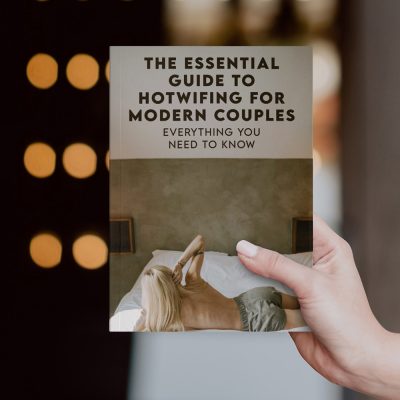
The fantasy is electric. The reality? It can feel like holding a grenade with the pin pulled. That gnawing fear that you might lose her isn't paranoia, it’s a warning. Without a battle-tested strategy, you aren't just exploring; you’re gambling with the most important thing in your life.
The Essential Guide replaces the terrifying unknown with ironclad structure. From managing primal jealousy to setting unbreakable boundaries, we provide the safety manual required to walk through the fire without getting burned. Don't guess. Know.

The fantasy is intoxicating. The reality? It can be terrifying. That sickening drop in your stomach when she leaves isn't just nerves; it's the fear of the unknown threatening everything you’ve built. Don't let vague agreements become grounds for disaster. You need structure before the chaos hits.
The Hotwife Contract Creator transforms your deepest anxieties about safety, emotions, and "going too far" into a rock-solid, signed agreement. Silence the jealousy and lock down your safety net so you can actually survive the thrill.

The fantasy is incredible, but the logistics can tear you apart. That sickening knot of anxiety you feel when she leaves isn't weakness; it's your brain warning you that you're flying without a safety net. Ambiguity is the oxygen that jealousy breathes. Don't let undefined "gray areas" become the reason your marriage implodes.
The Official Hotwife Rules Generator doesn't just list acts; it builds a protective fortress around your relationship. Get the concrete roadmap you need to ensure this high-stakes adventure doesn't turn into a disaster.

The fantasy is intoxicating. The reality? It can be a psychological car crash. That gut-wrenching drop when the bedroom door locks you out isn't just nerves, it’s a warning. 90% of men love the porn but crumble under the visceral weight of actual exclusion and emotional coldness.
This test drags your ego into the harsh light of day. We measure your resilience against the specific triggers that destroy marriages. Are you a true Cuckold or just a Tourist about to self-destruct? Check your ego before you wreck your life.

The fantasy is a rush, but the reality is a razor’s edge. That sickening drop when "humiliation" stops being a game and starts destroying his self-worth isn't a risk. It is the end of your marriage. Confusing "Stag" pride with "Cuckold" degradation is the fastest way to trauma.
This tool drags your hidden desires into the light. Pinpoint exactly where the fun stops and the pain begins, from gentle teasing to hard exclusion. Define your limits now before a misunderstanding becomes a permanent scar.
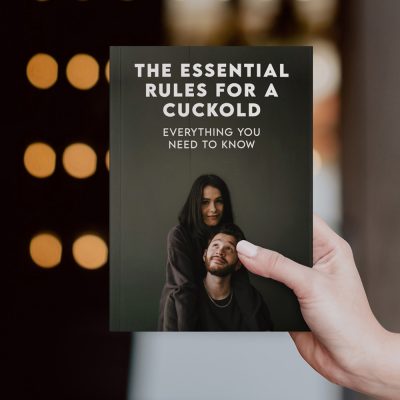
The fantasy is surrender. The reality is often shame that eats you alive. That gut-wrenching drop when the humiliation feels too real isn't part of the game. It is a warning that your psyche is cracking. Without a safety net, you aren't playing. You are traumatizing yourself.
The Essential Rules replaces reckless degradation with calculated intensity. We provide the contracts, vetting protocols, and aftercare scripts needed to explore the edge without falling off. Don't let a scene become a permanent scar.
Thinking in terms of terms and acronyms
Understanding the vernacular helps conversations stay productive rather than turning into shouting matches. Here is a quick glossary of the jargon you may encounter in hotwife ENM discussions.
- ENM Ethical Non Monogamy Relationships in which all parties have been informed and consent to the openness or outside connections and rules are negotiated in advance.
- Hotwife The female partner who has sexual experiences outside the primary relationship, typically with the knowledge and sometimes involvement of the primary partner.
- Primary partner The defining partnership that forms the core of the relationship and carries the most emotional, social and practical responsibilities.
- Compersion The joy one feels when witnessing a partner s sexual happiness with someone else rather than jealousy or resentment.
- Boundaries The agreements that describe what is allowed and what is not. Boundaries are supposed to protect emotional and physical safety for all involved.
- Rules Specific actions or limitations designed to guide behavior within the dynamic. Rules are different from boundaries in that they are often more prescriptive and action oriented.
- Soft swap Non penetrative sexual activity outside the primary relationship that falls short of penetrative sex.
- Hard swap Encounters that involve penetrative sex outside the primary relationship. This term should be discussed in detail before any agreement is made.
- Safeword A word or signal agreed upon in advance to pause or stop any activity for safety or emotional reasons.
- Disclosure The practice of sharing with the primary partner information about outside encounters at an appropriate level of detail.
Terms are simply tools to help you articulate needs. If a term feels loaded or uncomfortable you can redefine it together or drop it from your conversations. What matters is clarity and consent not the label itself.
The common ground you should search for before expanding outside the relationship
When one partner wants more than the other there are universal questions that help you determine whether you are ready to move forward. These questions are not a checklist to win a negotiation. They are a reliability audit for emotional safety.
- Are we both asking for the same kind of openness? Some couples want sexual variety while others want emotional safety and limited contact. Make sure your visions align, even if they look different on the surface.
- What is the purpose of outside experiences for each person? Is it about arousal, validation, relief from monotony, or something deeper like exploring power dynamics? Understanding the motive helps you agree on safeguards.
- What are our boundaries and non negotiables? Identify non negotiables before you start and check in daily or weekly to adjust as needed.
- How do we handle jealousy when it rises? Do you have a plan for immediate coping, talk through triggers, and access to emotional support from each other?
- What is our plan for communication disclosure? Decide how much detail will be shared and who will be told about each encounter.
- Are health and safety priorities clear? Have you scheduled STI testing, discussed safe sex practices and birth control or pregnancy risk management if applicable?
Having honest answers to these questions gives you a sturdy platform to grow from. Without this foundation you may end up drifting apart or repeating patterns that feel unsafe or unkind.
Practical steps to navigate a mismatch in desire
Below are concrete steps you can take to address a mismatch between a hotwife wanting more and a partner who isn t ready or interested in more. You can use these as a framework whether you re just starting a conversation or you re implementing a long term plan.
1. Start with a calm, candid conversation
Choose a time when you both feel relatively calm and undistracted. Start with your own feelings rather than accusations. Acknowledge the other person s courage for bringing this up. For example, you might say I have been thinking a lot about how we handle outside connections. I want us both to feel secure and excited about the future. I would love to hear how you feel and what you fear and desire in this area. This kind of opening sets a collaborative tone rather than a battle line.
Try to avoid ticking clocks or ultimatums. They escalate tension and push you away from a constructive outcome. If emotions run hot during the talk, set a timer to step back and revisit after a short pause. A brief walk or a timeout can reset the emotional temperature and keep the conversation productive.
2. Clarify what each desire means in practice
Desire can be abstract. Translate it into practical scenarios. For the partner who wants more outside experiences, describe what that would look like in real life. How many dates per month? Are there specific types of encounters or partners that are considered acceptable? What boundaries would feel safe for both of you? For the partner who is less interested or hesitant, share what would help you feel secure and connected while allowing space for the other person to explore. This step helps you convert a vague longing into tangible commitments you can negotiate.
3. Build a flexible but clear plan
Plans reduce ambiguity and prevent resentment. A plan might look like this:
- Phase 1: a two month trial with one outside partner and a set weekend where outside activity is possible. Communication happens with a weekly check in and a quick debrief after any encounter.
- Phase 2: assess what worked and what didn t. Decide whether to extend the arrangement or adjust the boundaries. You can move to a slightly more open arrangement if both feel ready.
- Phase 3: introduce a health and safety routine including STI testing cadence and a plan for use of protection and contraception where applicable.
Flexibility matters. You may find that mid way through the phase one plan your feelings shift or external circumstances change. Build in a mechanism for revisiting the plan with equal voice and by using time limited milestones so no one feels stuck or exploited.
4. Establish a robust health and safety protocol
Safety spans physical health and emotional safety. Prioritize explicit discussions about STI testing intervals, condom use or other barrier methods, regular medical checkups and, if you choose, birth control considerations. Health is not a topic to skim over simply because it feels awkward. Create a routine for health checks just as you would for a medical appointment. A clear plan reduces anxiety and builds trust that you both take safety seriously.
5. Create a jealousy management toolkit
Jealousy is a natural part of the human experience when we see our partner find pleasure elsewhere. A jealousy management toolkit can include:
- Daily check ins focusing on feelings without blame
- Short journaling prompts to process emotions after encounters
- Compersion exercises such as sharing positive observations about the encounter
- Cooling off periods after intense episodes to regroup emotionally
When jealousy surfaces make space for it. Name it and address it with empathy rather than denial. Your goal is not to eliminate jealousy but to reduce its intensity and reframe it as a signal to adjust boundaries or communication.
6. Practice transparent but thoughtful disclosure
Disclosure is not about oversharing every sexual detail but about providing enough information to maintain trust. Decide together how much detail you want to share after an encounter. Some couples prefer keeping the specifics minimal while others want a more thorough debrief. The key is to agree in advance and then honor that agreement. If a partner asks for more context than you intended, negotiate a safe middle ground with the aim of sustaining closeness rather than triggering insecurity.
7. Preserve emotional intimacy in the primary relationship
Outside experiences should not erode the emotional bond you share with your primary partner. Schedule time for date nights focused on the two of you. Reinforce affection through affection rituals, shared rituals or simple daily check ins. Emotional closeness acts as an emotional shield against the fears that can arise when one person explores sexual experiences with others.
8. Define exit ramps and pause triggers
Agree on clear triggers that would cause you to pause or stop the outside experiences entirely. Examples include persistent distress, a particular pattern of secrecy, or discomfort that does not pass after a cooling off period. The exit ramp is not a sign of failure but a mature tool to protect both partners dynamical health.
Common scenarios and realistic conversations you can borrow
These are realistic arcs you may encounter or adapt to your own situation. They are written to feel like natural conversations you might have with a friend or with your partner. Read them out loud to see how they fit your voice.
Scenario A: One partner wants a regular outside partner every month
Sara and Mike have been navigating Sara s desire for monthly outside dates. Mike is cautious about anything that feels unpredictable. In a calm moment Sara says I want a predictable rhythm for outside experiences so we both know what to expect. How could we design a schedule that keeps you secure while giving me something to look forward to? Mike responds I want to avoid the sense of chasing down partners. Could we try a limit to one established partner for six weeks and then revisit? They agree to a six week trial with one outside partner and a weekly check in plus a monthly deep talk about emotional state and satisfaction with the arrangement.
Scenario B: One partner fears loss of connection and asks for more transparency
Alex fears losing closeness with Jordan if they pursue more outside experiences. Alex says I realize I want more outside connection but I also fear we will drift apart. Can we set a rule that outlines what we will both share after each encounter and schedule a weekly heart to heart talk where we focus on our bond rather than the outside world? Jordan replies I am open to more transparency and I would also like us to keep a couple s night for just us. They agree to a weekly 60 minute conversation without phones and a dedicated space to talk with emotional safety rules in place.
Scenario C: A mismatch becomes heavy and one partner wants to pause
Kim has pursued more outside experiences and feels overwhelmed by the emotional weight. She tells Sam I need a pause to catch my breath and recalibrate. Sam says I respect your need to pause. Let us use the next four weeks to reconnect and to revisit our boundaries with fresh eyes. We schedule a mid point check in and a final decision after the pause. The pause helps them decide whether to resume with stricter boundaries or to re approach a monogamish arrangement.
Red flags to watch for and when to seek support
Even with all the care in the world, dynamics like this can get knotty fast. If you notice any of the following red flags it may be time to pause and reassess with a professional or a trusted mentor:
- One partner consistently feels coerced or pressured into outside encounters
- One partner hides details about outside activities or lies to protect the other partner
- Boundaries repeatedly get crossed or dismissed without meaningful discussion about why
- Emotional distress becomes chronic rather than occasional and impacts daily life
- There is a sense that the primary relationship is being neglected or eroded
- Health and safety practices are neglected or treated as optional
If you spot any red flags, consider a structured intervention. A couples therapist experienced in ENM dynamics can provide a safe space to navigate conflicting needs and help you design a plan that centers safety and consent.
Practical tips to keep the relationship healthy while one partner wants more
- Keep the conversation ongoing These conversations are not one and done. Revisit boundaries, desires and safety regularly as feelings evolve.
- Be precise about consent Consent is not a one time event. It is a process that can be modified or withdrawn at any time. Always check in before any new step.
- Respect personal pace Not everyone processes desire or risk the same way. Move at a pace that works for both of you.
- Avoid secrecy Secrets fuel insecurities and breed mistrust. There is no benefit to hiding important details which may harm the relationship if discovered later.
- Practice shared accountability Both partners own their feelings and actions. If you make a mistake own it and repair it together.
- Preserve autonomy Each person retains the right to define their own boundaries and to renegotiate when needed. Autonomy is essential in ethical non monogamy.
- Invest in non sexual intimacy Shared activities and affection outside of sex strengthen the bond. Don t let physical distance become emotional distance.
- Keep expectations realistic The goal is not to achieve perfect harmony but to create a sustainable path that feels fair most of the time.
Frequently asked questions about the hotwife ENM mismatch
The questions below cover common concerns that pop up when one partner wants more than the other. If yours isn t here you can drop a note for personalized guidance.
The fantasy is electric. The reality? It can feel like holding a grenade with the pin pulled. That gnawing fear that you might lose her isn't paranoia, it’s a warning. Without a battle-tested strategy, you aren't just exploring; you’re gambling with the most important thing in your life.
The Essential Guide replaces the terrifying unknown with ironclad structure. From managing primal jealousy to setting unbreakable boundaries, we provide the safety manual required to walk through the fire without getting burned. Don't guess. Know.
The fantasy is intoxicating. The reality? It can be terrifying. That sickening drop in your stomach when she leaves isn't just nerves; it's the fear of the unknown threatening everything you’ve built. Don't let vague agreements become grounds for disaster. You need structure before the chaos hits.
The Hotwife Contract Creator transforms your deepest anxieties about safety, emotions, and "going too far" into a rock-solid, signed agreement. Silence the jealousy and lock down your safety net so you can actually survive the thrill.
The fantasy is incredible, but the logistics can tear you apart. That sickening knot of anxiety you feel when she leaves isn't weakness; it's your brain warning you that you're flying without a safety net. Ambiguity is the oxygen that jealousy breathes. Don't let undefined "gray areas" become the reason your marriage implodes.
The Official Hotwife Rules Generator doesn't just list acts; it builds a protective fortress around your relationship. Get the concrete roadmap you need to ensure this high-stakes adventure doesn't turn into a disaster.
The fantasy is intoxicating. The reality? It can be a psychological car crash. That gut-wrenching drop when the bedroom door locks you out isn't just nerves, it’s a warning. 90% of men love the porn but crumble under the visceral weight of actual exclusion and emotional coldness.
This test drags your ego into the harsh light of day. We measure your resilience against the specific triggers that destroy marriages. Are you a true Cuckold or just a Tourist about to self-destruct? Check your ego before you wreck your life.
The fantasy is a rush, but the reality is a razor’s edge. That sickening drop when "humiliation" stops being a game and starts destroying his self-worth isn't a risk. It is the end of your marriage. Confusing "Stag" pride with "Cuckold" degradation is the fastest way to trauma.
This tool drags your hidden desires into the light. Pinpoint exactly where the fun stops and the pain begins, from gentle teasing to hard exclusion. Define your limits now before a misunderstanding becomes a permanent scar.
The fantasy is surrender. The reality is often shame that eats you alive. That gut-wrenching drop when the humiliation feels too real isn't part of the game. It is a warning that your psyche is cracking. Without a safety net, you aren't playing. You are traumatizing yourself.
The Essential Rules replaces reckless degradation with calculated intensity. We provide the contracts, vetting protocols, and aftercare scripts needed to explore the edge without falling off. Don't let a scene become a permanent scar.
