
Guide to What Is Another Name For Polygamy?


Whether you are researching alternative relationship structures or simply curious about the terminology, this guide provides clear explanations, historical context, and practical insights to help you navigate conversations about plural relationships.
Quick Links to Useful Sections
- What Does Polygamy Mean?
- Definition of Polygamy
- Common Synonyms for Polygamy
- Plural Marriage
- Multiple Marriage
- Group Marriage
- Distinctions: Polygamy vs. Polyamory and Other Terms
- Polygamy vs. Polyamory
- Bigamy: A Legal Term
- Historical and Cultural Context of Terminology
- Evolution of the Terms
- FAQ: Your What Does Another Name For Polygamy Questions Answered
What Does Polygamy Mean?
Definition of Polygamy
Polygamy refers to the practice of having more than one spouse at the same time. It is most commonly seen in the form of polygyny, where one man is married to multiple women, and polyandry, where one woman is married to multiple men. The practice is often rooted in cultural, religious, or social traditions and has been present in various societies throughout history.
Common Synonyms for Polygamy
Plural Marriage
The most widely recognized alternative name for polygamy is "plural marriage." This term emphasizes the idea of having multiple marital bonds concurrently and is often used in academic, legal, and cultural discussions. Plural marriage underscores the collective nature of the relationships while remaining neutral in tone.
Multiple Marriage
Another term sometimes used is "multiple marriage." Although less common than plural marriage, it conveys a similar meaning by highlighting the existence of more than one marital union at a time.
Group Marriage
In some contexts, you might also encounter the term "group marriage." This term is used when three or more individuals form a single, interconnected marital unit. While group marriage is a specific form of plural marriage, it is sometimes used interchangeably with polygamy in discussions about non-traditional relationship structures.
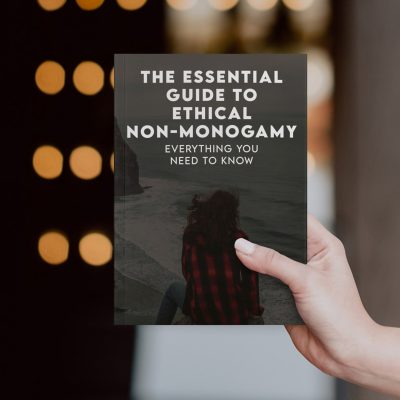
The freedom of an open relationship sounds incredible, but the logistics can feel like holding a grenade. That spinning "what if" anxiety isn't paranoia, it’s your survival instinct warning you that your bond is exposed. "Just seeing what happens" is the fastest way to turn a fantasy into a breakup.
The Essential Guide replaces chaos with discipline. We give you the blueprints, jealousy protocols, and repair scripts needed to explore the edge without falling off. Don't guess. Secure your foundation first.

The world of non-monogamy is a maze of confusing labels. Trying to be "Polyamorous" when your heart actually needs "Swinging" isn't just a vocabulary error; it’s a recipe for misery.
You can't build a stable home on a foundation that doesn't fit your psychology. This tool analyzes your emotional bandwidth and jealousy triggers to design the exact structure you need. Stop trying to squeeze into a box that doesn't fit. Build a relationship that actually feels like home.
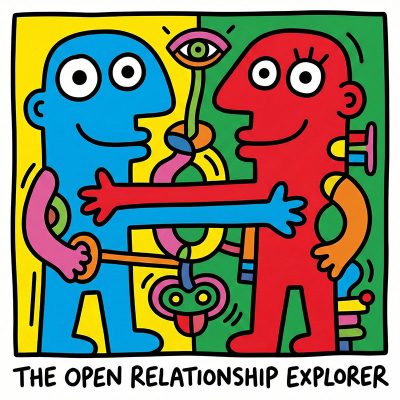
Opening up feels exciting, but if you aren't reading from the same script, you're writing a tragedy. The disconnect between "I want freedom" and "I want safety" is where hearts break. This isn't just a quiz; it’s a synchronization engine.
We identify the silent gaps in your desires—from sleepover rules to emotional bandwidth, before they become unbridgeable chasms. Don't wait until the damage is done to find out you were never on the same page. Align your compasses now.
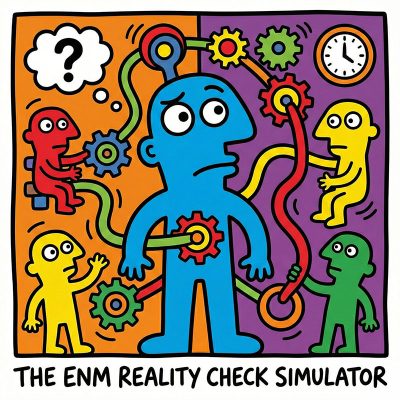
Theory is sexy. Reality is messy. You agreed you could date others, but how does your stomach drop when he takes her to your anniversary spot? Or when she comes home smelling like someone else?
This simulator drags your abstract rules into the harsh light of day. We force you to confront the visceral, gut-wrenching scenarios that actually destroy relationships, before they happen. Test your nervous system in the simulator so you don't crash the car in real life.

The fantasy is endless romance. The reality? It’s a logistical nightmare. Dating isn't just sex; it’s a second job of swiping, spending, and emotional processing that drains your sanity. Underestimating the "admin" of non-monogamy is the fastest way to turn your relationship into a burnout factory where resentment thrives.
This calculator forces you to confront the brutal math of your time, energy, and wallet. Can you actually afford this lifestyle, or are you just signing up for exhaustion?
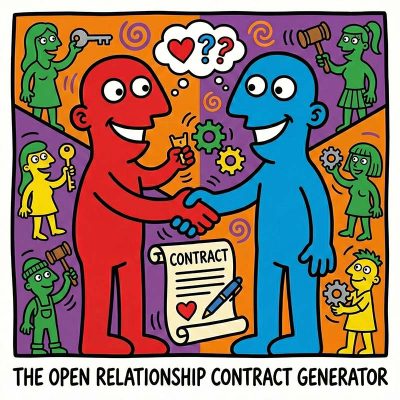
"I thought we agreed" is the sentence that destroys relationships & marriages. Relying on verbal promises when emotions run high is a gamble you cannot afford to lose. Your memory isn't just faulty; it's a liability. Ambiguity is the oxygen that jealousy breathes, turning "freedom" into a minefield of "did I mess up?"
This generator transforms vague permissions into a concrete, signed reality. Stop arguing about what you thought was said and lean on what is written. Secure your boundaries in ink, not hope.
Distinctions: Polygamy vs. Polyamory and Other Terms
Polygamy vs. Polyamory
It is important to note that polygamy and polyamory are not synonymous. While polygamy involves multiple marriages (often with legal or cultural recognition), polyamory refers to engaging in multiple consensual romantic or sexual relationships without the formal commitment of marriage. Polyamory is generally more fluid and does not necessarily adhere to hierarchical structures.
Bigamy: A Legal Term
Another term that is sometimes mistakenly used as a synonym for polygamy is "bigamy." However, bigamy is a legal term that refers to the act of marrying someone while still being legally married to another person. Unlike polygamy, which can be a consensual and culturally accepted practice in some societies, bigamy is typically illegal and is considered a criminal offense in many jurisdictions.
Historical and Cultural Context of Terminology
Evolution of the Terms
Historically, many societies that practiced polygamy referred to it as plural marriage. This terminology was often used in religious texts and cultural narratives to describe the established norms of family and social structure. In modern discussions, the term "plural marriage" has gained traction as a neutral descriptor that avoids the negative connotations sometimes associated with polygamy.
As alternative relationship models become more visible, it is essential to use clear and respectful language that accurately represents the experiences of those involved.
FAQ: Your What Does Another Name For Polygamy Questions Answered
1. What is another common name for polygamy?
Another common name for polygamy is "plural marriage." This term is widely used to describe the practice of having more than one spouse at the same time.
2. Is "multiple marriage" the same as polygamy?
Yes, "multiple marriage" is another term used to refer to polygamy. It conveys the same concept of being married to more than one person simultaneously, although it is less commonly used than "plural marriage."
3. How does group marriage relate to polygamy?
Group marriage is a specific form of plural marriage in which three or more people form a single, interconnected marital unit. While it falls under the umbrella of polygamy, it is a more specific configuration and is sometimes distinguished from other forms of polygamy.
4. What is the difference between polygamy and polyamory?
Polygamy involves multiple marriages, often with legal or religious recognition, whereas polyamory refers to engaging in multiple consensual romantic or sexual relationships without the formal commitment of marriage.
5. Is bigamy the same as polygamy?
No, bigamy is not the same as polygamy. Bigamy is a legal term referring to marrying someone while already being legally married to another person, and it is generally illegal. Polygamy, on the other hand, refers to the practice of having multiple spouses simultaneously and may be culturally or religiously sanctioned in some contexts.
Resources and Community Support: Your Next Steps
- "The Ethical Slut" by Dossie Easton & Janet Hardy – A seminal work on alternative relationships that offers insights into plural relationships and ethical non-monogamy.
- "More Than Two" by Franklin Veaux & Eve Rickert – A comprehensive guide to managing multiple relationships, providing practical advice and context for understanding polygamy.
- Podcasts: Listen to "Multiamory" and "Polyamory Weekly" for engaging discussions on non-monogamous lifestyles and diverse relationship models.
- Online Communities: Join forums like r/polyamory and other social media groups to share experiences and gather further insights.
- Workshops and Seminars: Attend events and webinars focused on ethical non-monogamy to expand your knowledge and connect with like-minded individuals.
By exploring these resources and applying the strategies outlined in this guide, you can develop a clear and informed understanding of what polygamy means and how various terms like "plural marriage," "multiple marriage," and "group marriage" are used. Embrace continuous learning, open dialogue, and self-reflection as you navigate the diverse landscape of alternative relationship models.
The freedom of an open relationship sounds incredible, but the logistics can feel like holding a grenade. That spinning "what if" anxiety isn't paranoia, it’s your survival instinct warning you that your bond is exposed. "Just seeing what happens" is the fastest way to turn a fantasy into a breakup.
The Essential Guide replaces chaos with discipline. We give you the blueprints, jealousy protocols, and repair scripts needed to explore the edge without falling off. Don't guess. Secure your foundation first.
The world of non-monogamy is a maze of confusing labels. Trying to be "Polyamorous" when your heart actually needs "Swinging" isn't just a vocabulary error; it’s a recipe for misery.
You can't build a stable home on a foundation that doesn't fit your psychology. This tool analyzes your emotional bandwidth and jealousy triggers to design the exact structure you need. Stop trying to squeeze into a box that doesn't fit. Build a relationship that actually feels like home.
Opening up feels exciting, but if you aren't reading from the same script, you're writing a tragedy. The disconnect between "I want freedom" and "I want safety" is where hearts break. This isn't just a quiz; it’s a synchronization engine.
We identify the silent gaps in your desires—from sleepover rules to emotional bandwidth, before they become unbridgeable chasms. Don't wait until the damage is done to find out you were never on the same page. Align your compasses now.
Theory is sexy. Reality is messy. You agreed you could date others, but how does your stomach drop when he takes her to your anniversary spot? Or when she comes home smelling like someone else?
This simulator drags your abstract rules into the harsh light of day. We force you to confront the visceral, gut-wrenching scenarios that actually destroy relationships, before they happen. Test your nervous system in the simulator so you don't crash the car in real life.
The fantasy is endless romance. The reality? It’s a logistical nightmare. Dating isn't just sex; it’s a second job of swiping, spending, and emotional processing that drains your sanity. Underestimating the "admin" of non-monogamy is the fastest way to turn your relationship into a burnout factory where resentment thrives.
This calculator forces you to confront the brutal math of your time, energy, and wallet. Can you actually afford this lifestyle, or are you just signing up for exhaustion?
"I thought we agreed" is the sentence that destroys relationships & marriages. Relying on verbal promises when emotions run high is a gamble you cannot afford to lose. Your memory isn't just faulty; it's a liability. Ambiguity is the oxygen that jealousy breathes, turning "freedom" into a minefield of "did I mess up?"
This generator transforms vague permissions into a concrete, signed reality. Stop arguing about what you thought was said and lean on what is written. Secure your boundaries in ink, not hope.
Accountability When Harm Happens
Attachment Styles In Non Monogamous Relationships
Avoiding Coercion And Pressure
Avoiding Emotional And Relational Exhaustion
Balancing Work Family And Relationships
Barrier Use And Risk Profiles
Boundaries Versus Rules In Practice
Building Supportive Community
Coming Out As Non Monogamous
Common Myths About Ethical Non Monogamy
Communication And Agreements
Compersion And Shared Joy
Conflict Resolution In Multi Partner Dynamics
Consent As The Foundation Of Non Monogamous Relationships
Core Values That Define Ethical Non Monogamy
Creating Agreements That Can Evolve
Dating While Non Monogamous
De Escalation And Conscious Uncoupling
Deciding Who To Tell And When
Defining Success In Ethical Non Monogamy
Digital Safety And Privacy
Disclosure And Informed Consent With New Partners
Emotional Regulation In Complex Relationships
Emotional Safety Alongside Physical Safety
Ethical Non Monogamy Across Different Cultures
Fear Of Abandonment And Reassurance
Financial Transparency And Boundaries
Growth Change And Ethics
Handling Cancellations And Letdowns
Hierarchical Versus Non Hierarchical Models
Honesty Versus Oversharing
How Ethical Non Monogamy Differs From Cheating
How Media Representation Shapes Public Perception
How Often To Revisit Agreements
How Relationships Change Over Time
How To Choose A Structure That Fits
How To Start The Ethical Non Monogamy Conversation
In Person Events And Meetups
Integrating New Partners Ethically
Intersectionality And Identity
Jealousy As A Skill Building Opportunity
Legal And Social Risks
Maintaining Rituals And Quality Time
Managing Insecurity And Comparison
Monogamish Relationships
Navigating Different Risk Tolerances
Navigating Judgment From Monogamous Culture
Navigating Mismatched Desires
Online Spaces And Their Role
Open Relationships Explained
Parallel Versus Kitchen Table Dynamics
Polyamory And Multiple Loving Relationships
Power Imbalances And Privilege
Pregnancy And Fertility Conversations
Processing Shame And Social Conditioning
Psychology And Emotional Work
Relationship Anarchy Principles
Repairing Communication Breakdowns
Scheduling Without Burnout
Self Worth Outside Relationship Status
Setting Intentions Before Opening A Relationship
Sexual Health Agreements And Testing Norms
Sexual Health And Safety
Shared Calendars And Planning Tools
Social And Community Considerations
Solo Polyamory And Autonomy
Substance Use And Consent
Supporting Partners Through Health Scares
Swinging As A Social And Sexual Practice
The Difference Between Structure And Freedom
The History And Cultural Roots Of Ethical Non Monogamy
Time Energy And Logistics
Time Management With Multiple Partners
Travel And Long Distance Dynamics
Treating All Partners As Whole People
Types And Relationship Structures
What Ethical Non Monogamy Is And What It Is Not
When Non Monogamy Activates Trauma
When One Partner Wants Monogamy Again
Why People Choose Ethical Non Monogamy
Lost & confused by all of the terms, types and seemingly made up 3 letter acronyms?? We've got you. Check out our Ethnical Non-Monogamy Dictionary >>
Useful Interruption: Not sure which relationship vibe fits you best? Take the Ultimate Relationship Test, it will give you details into your natural relationship style. Then, dive into our binge-worthy guides, from the tried-and-true to the “wait, that’s a thing?", and find the perfect relationship type for your life.
Now back to the main article but yeah take the Ultimate Relationship Test
